
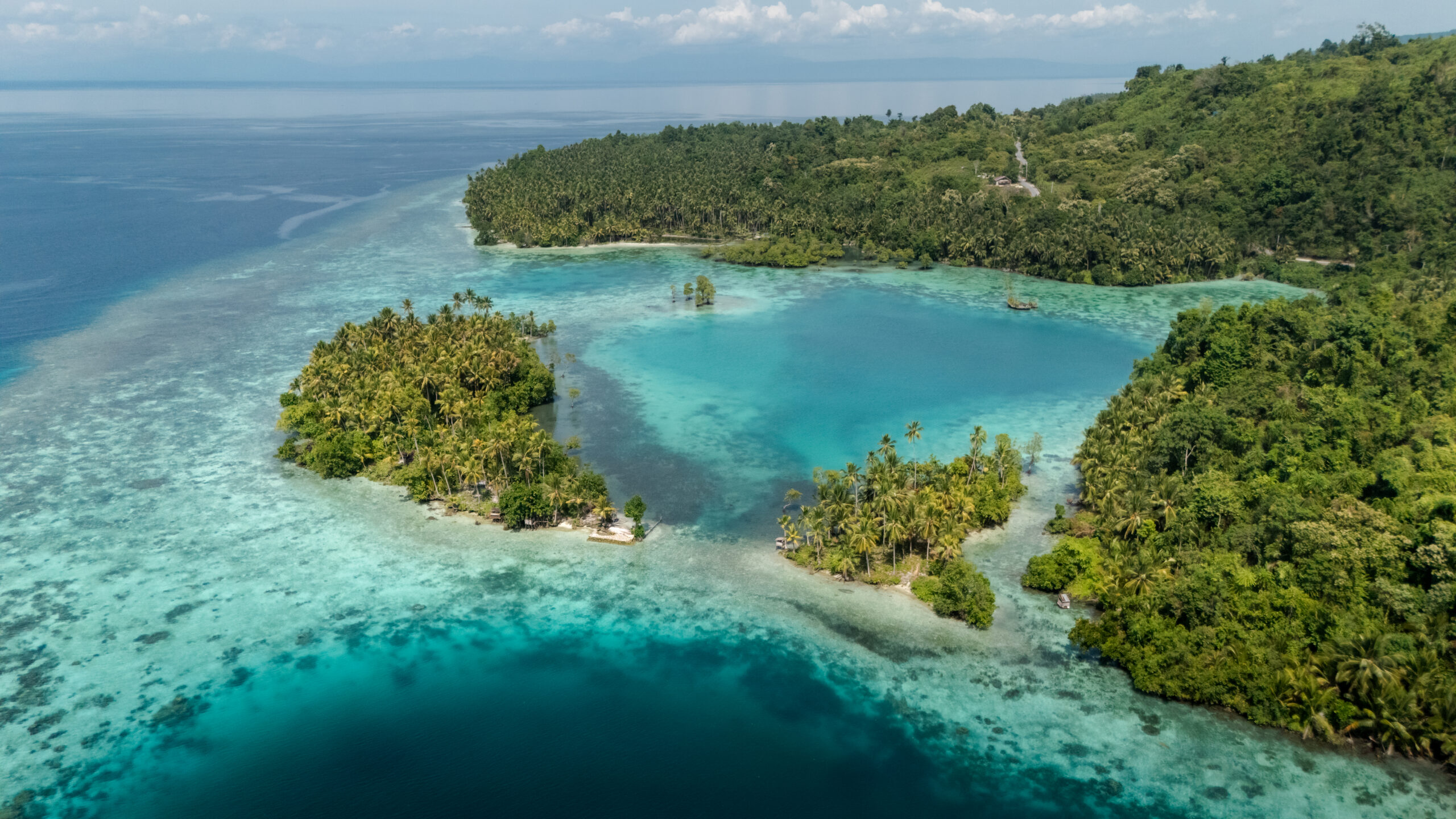
The Banggai Islands aren’t built around a checklist of sights, most days here are about pace rather than ticking things off. But between the lakes, the reefs, the villages, and the beaches, there’s genuinely more to do than most people expect from somewhere this far off the radar. Here’s what’s actually worth your time.
If you’re still deciding whether to base yourself on Peleng or Banggai Laut, read where to stay in the Banggai Islands first, since several of these are easier from one base than the other. And for the full trip picture, budget, getting there, when to go, start with my full Banggai Islands guide.
1. Swim in the Incredibly Clear Waters of Paisu Pok Lake
The archipelago’s best-known attraction, and for good reason: strikingly blue, clear freshwater, framed by jungle. Timing makes all the difference here, go around 6am and you’ll get something close to a peaceful experience; by 8am, expect crowds and low-flying drones. I’ve written a full breakdown of how to actually enjoy it: Paisu Pok Lake: Complete Guide.
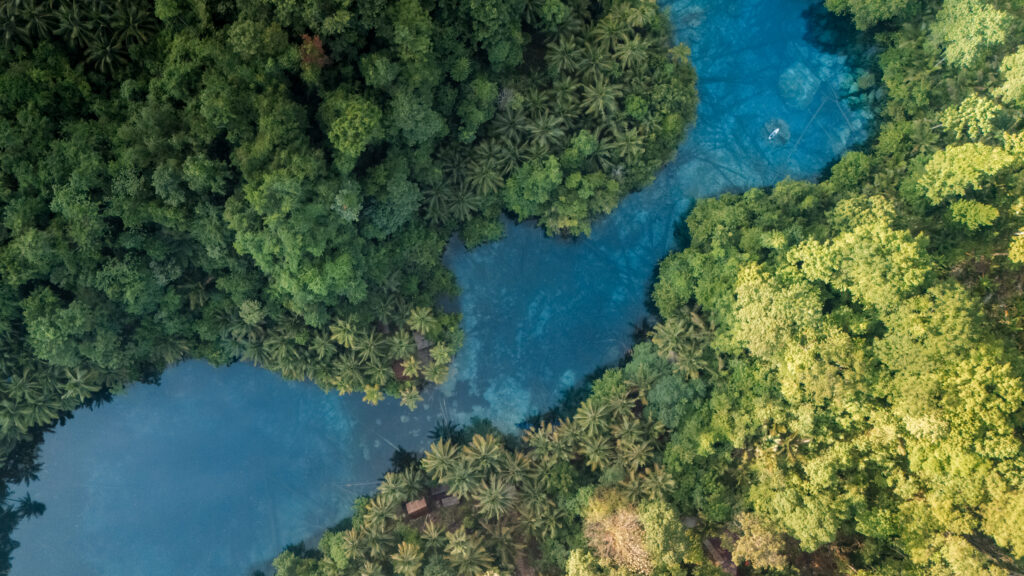 Paisu Pok Lake from Above
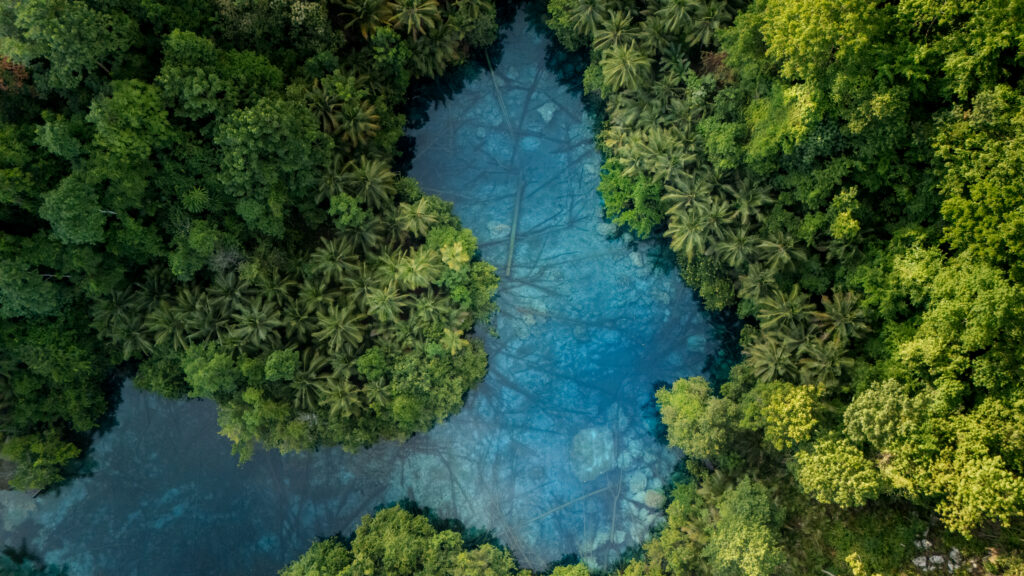 Paisu Pok Lake from Above
2. Snorkel with Banggai Cardinalfish and Endless Colourful Reef Life
The Banggai cardinalfish is found only in this archipelago, and famous enough in the aquarium trade that some travellers come specifically to see it in the wild. Reefs around Banggai Laut and Peleng are home to it alongside a genuinely colourful spread of reef fish, easy to reach straight off the beach at several homestays rather than needing an organised boat trip.
3. Hop on a Boat and Discover Remote Beaches: Oyama, Long Beach, and More
Beyond the main bases, a handful of genuinely remote beaches are worth the boat trip out, Oyama Beach among them. These need a chartered boat, so they’re considerably more affordable to split with other travellers if you can find people heading the same way. Worth building into your itinerary if you have a few extra days.
4. Visit a Bajo Village and Bond with Local Kids Over Fried Bananas
The Bajo stilt villages scattered around the archipelago are some of the most memorable stops on a Banggai trip, not for a specific sight, but for the people. Buy them some fried bananas at a local lady to hand out is a small gesture that goes a long way with the local kids, and it’s the kind of low-key, genuine interaction that ends up being more memorable than most of the “sights” on this list.
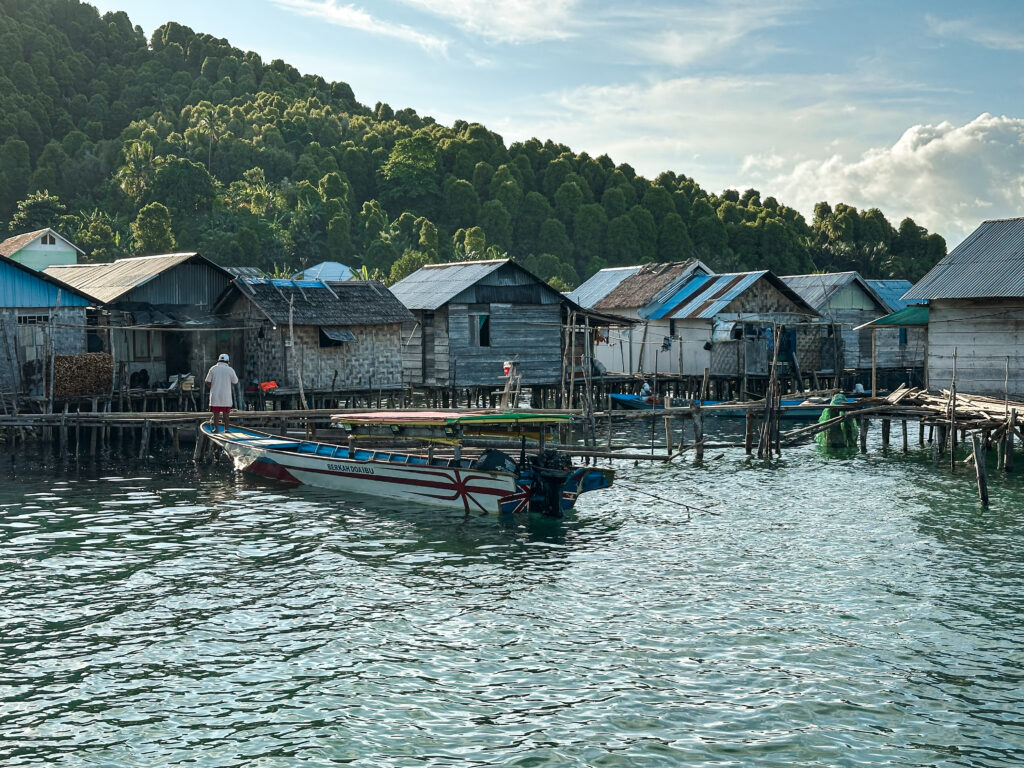 Bajo village
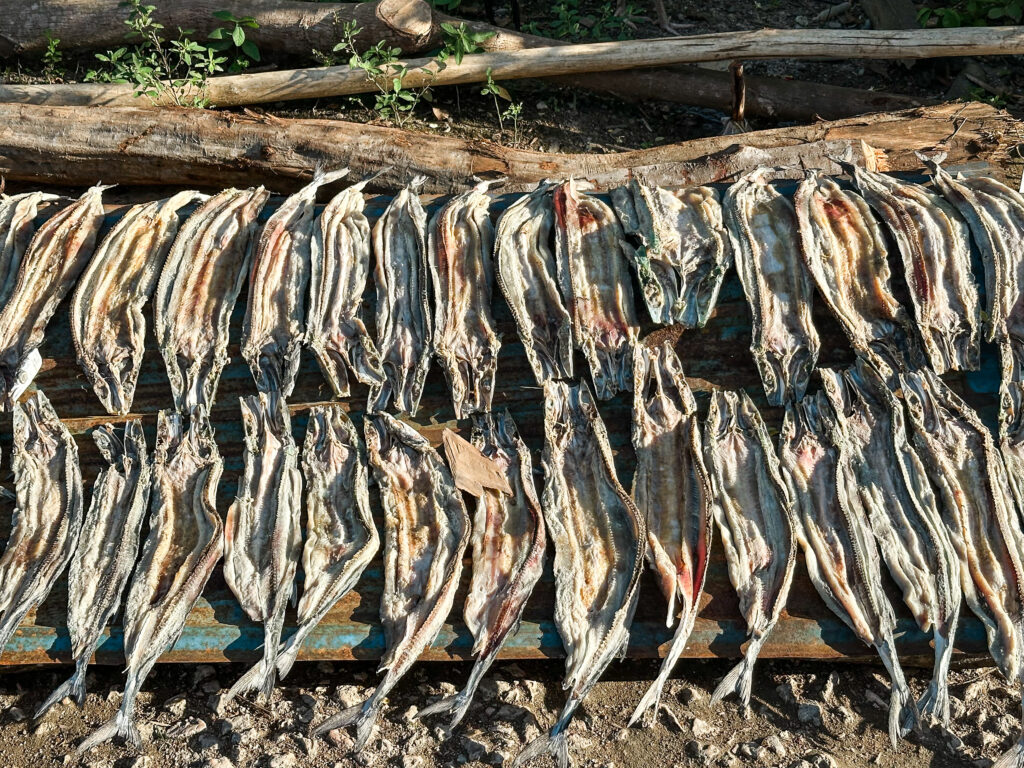 Drying fish at bajo village
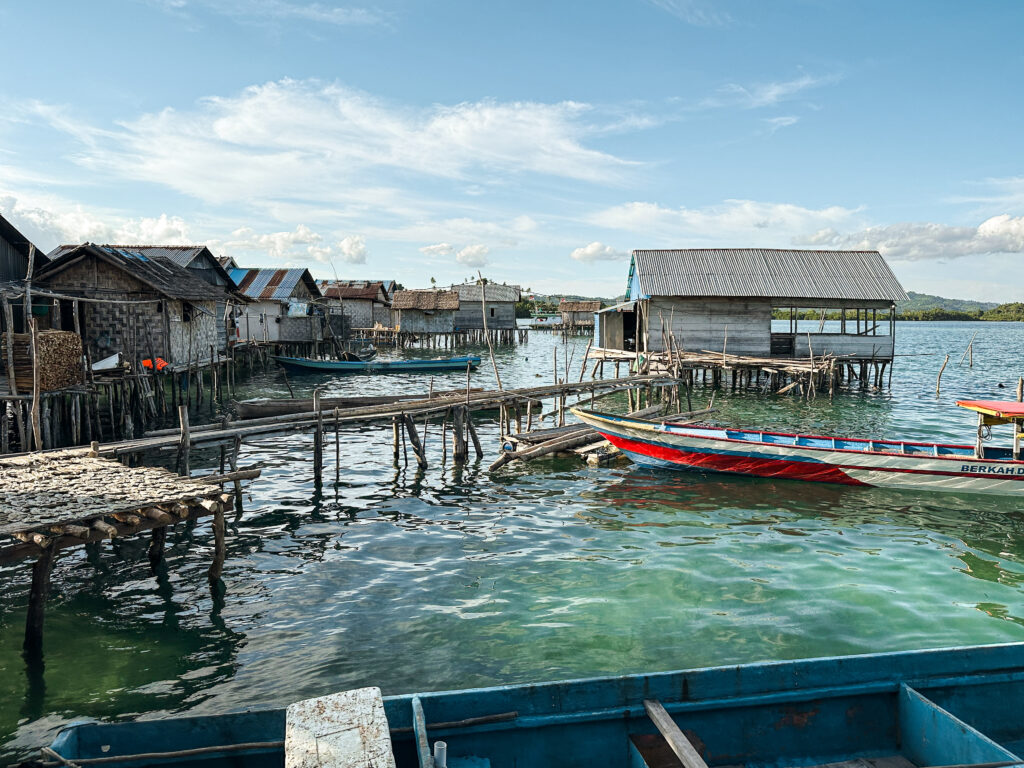 Bajo village: houses built on stillts
5. Explore the Islands by Scooter and Find Hidden Gems
Rent a scooter, whether you’re based on Peleng or Banggai Laut, and just go exploring. Numirah and Bonbon are worth seeking out, but honestly, some of the best moments come from taking a turn you weren’t planning on and seeing where it leads. This kind of independent exploring is one of the clearest advantages Banggai has over the Togean Islands, where you’re mostly limited to chartered boats between resorts.
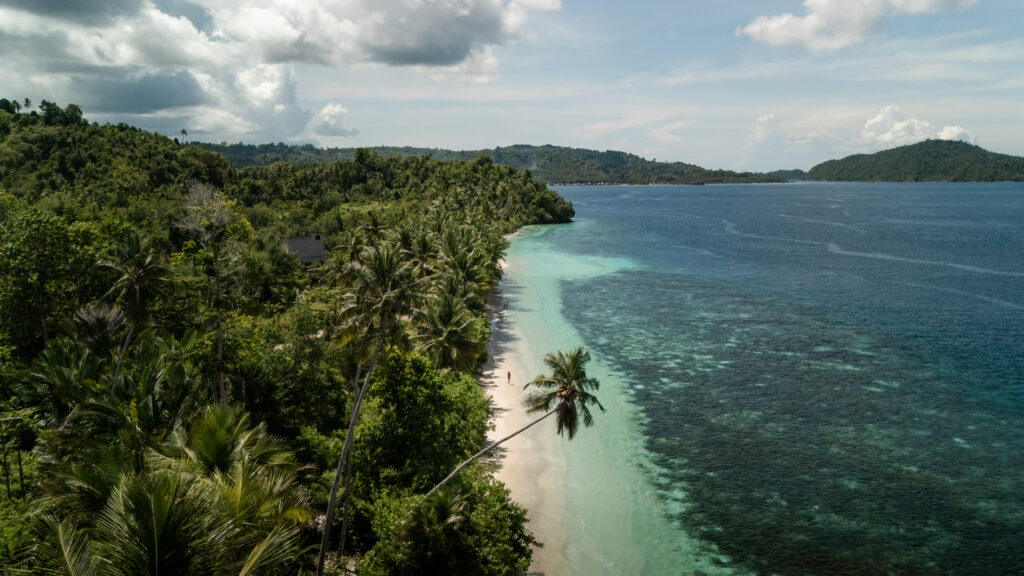 Numirah Beach
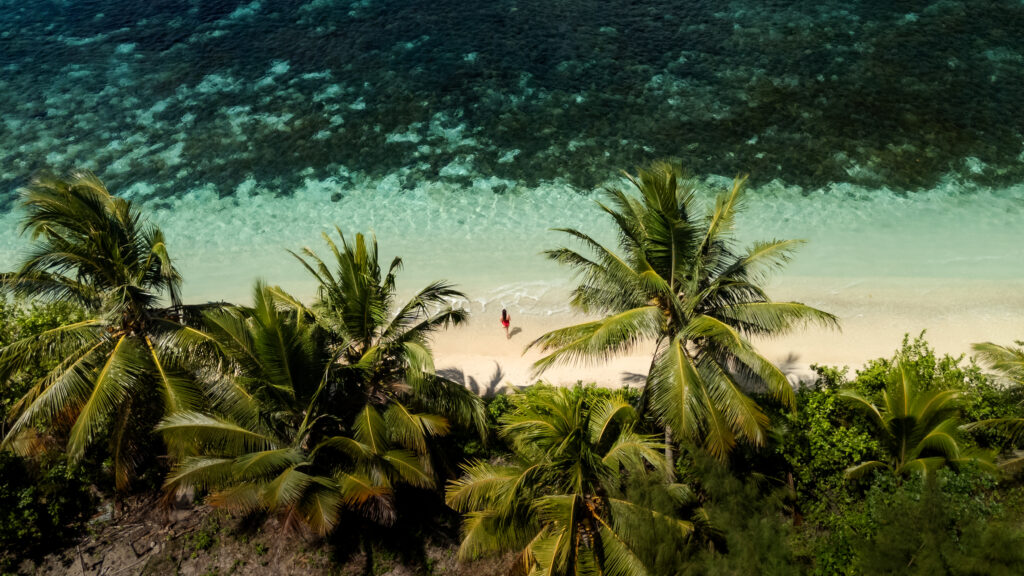 Numirah Beach
6. Eat Lots of Local Homemade Food at Homestays
Meals at Banggai homestays are almost always included in your nightly rate, and it shows in how much effort goes into them: simple, home-cooked Indonesian food, often the best meals of the whole trip. Don’t rush through mealtimes here; it’s as much a part of the experience as anything else on this list.
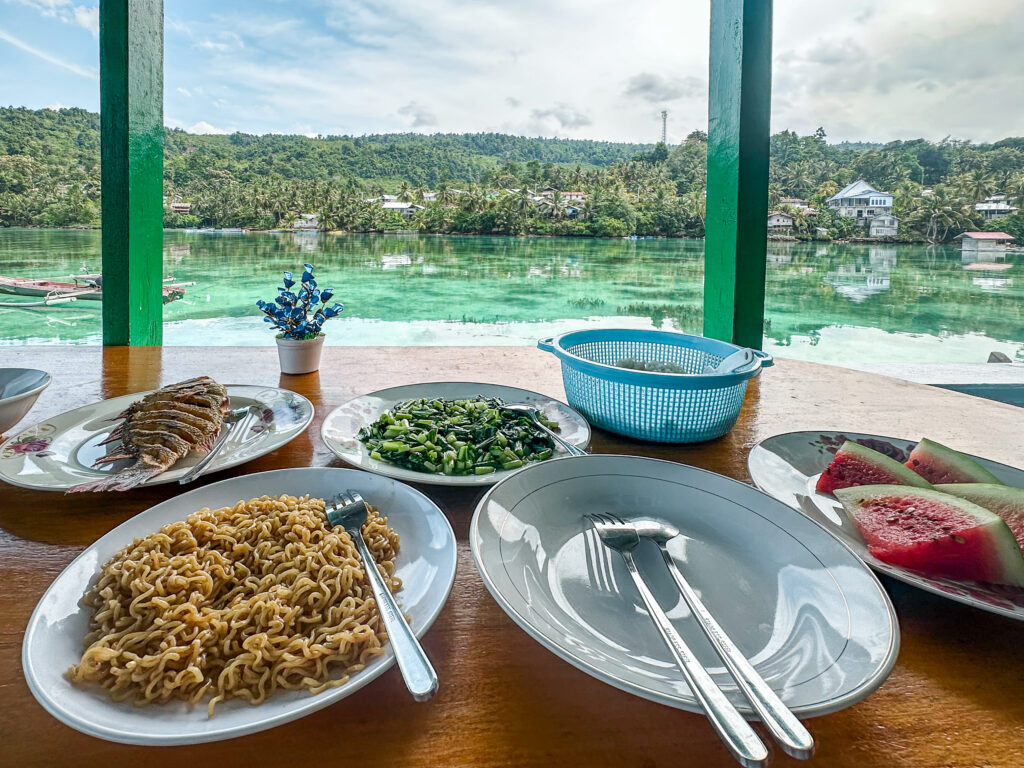 Lunch with a view at Heppy Homestay
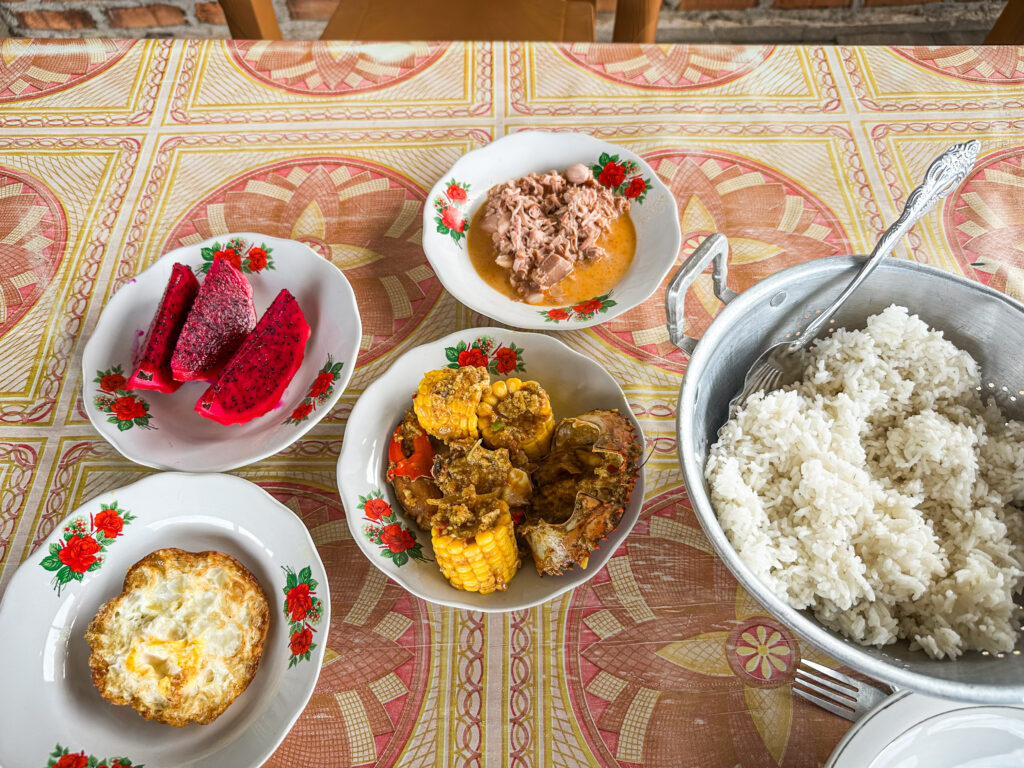 Lunch at Kia Homestay
7. Chill on a Beach with a Good Book
Not every day in the Banggai Islands needs a plan. Between the boat trips and the scooter exploring, build in at least one day where the only agenda is a beach, snorkel, a book, and nowhere to be.
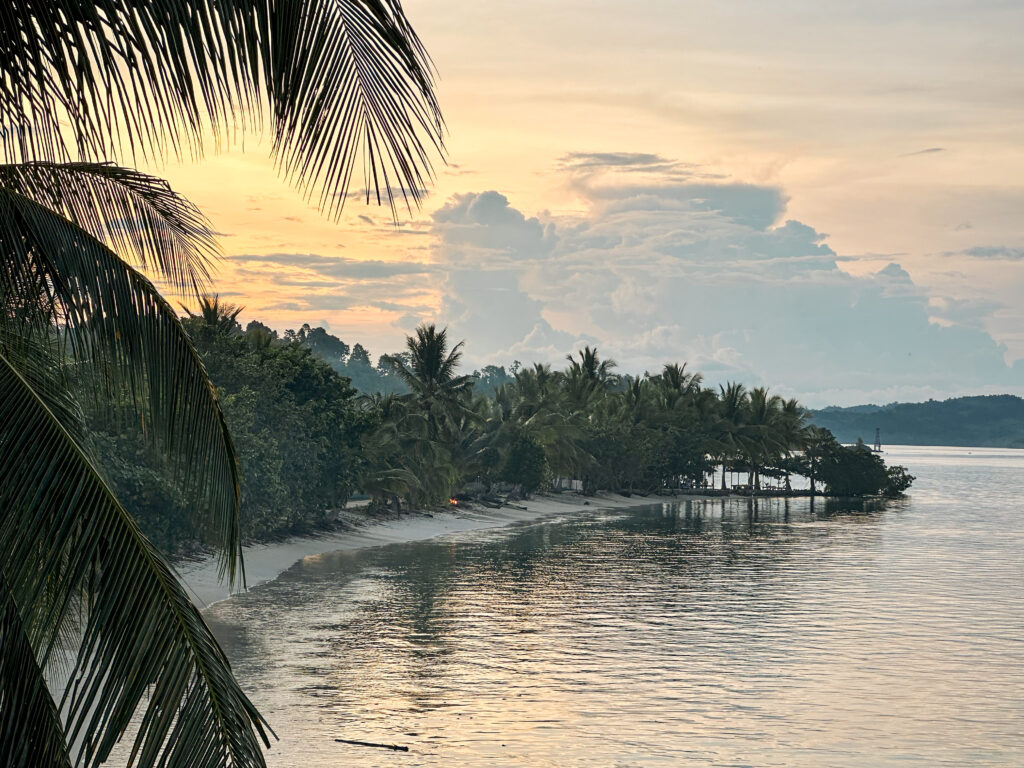
8. Enjoy the Sunset Over the Water from Your Homestay Balcony
Most homestays here sit right on the water, and the evenings are genuinely one of the highlights of staying in the Banggai Islands. Just watch the sunset from wherever you’re staying: it’s rarely a letdown.
9. Visit the Waterfalls in Luwuk
Technically not the islands themselves, Luwuk is the mainland gateway, but it’s part of the same Banggai regency and the same overall trip. Worth building in a day or half-day either at the start or end of your itinerary to visit the waterfalls around Luwuk before or after heading out to the islands, rather than treating the town as a pure transit stop.
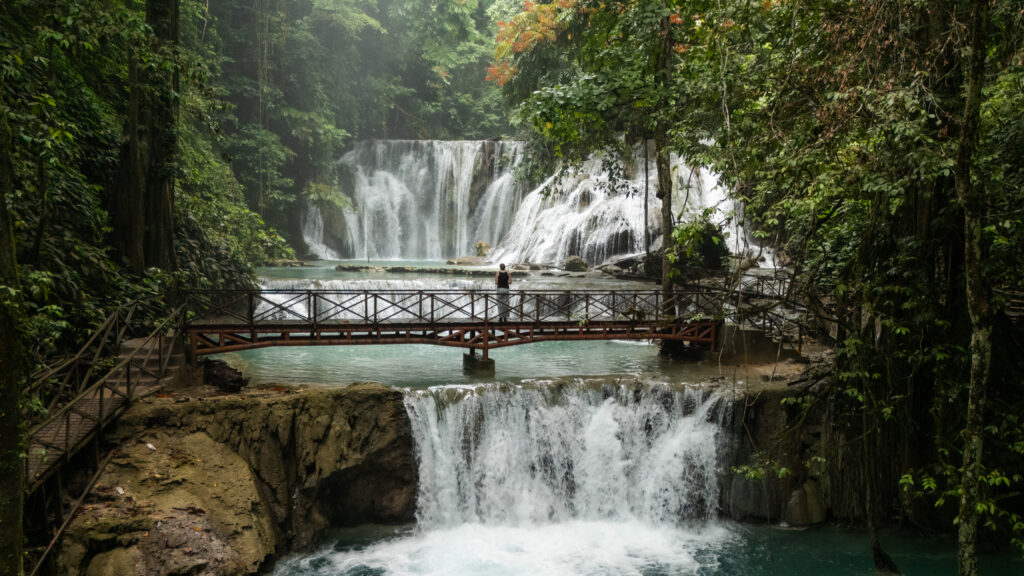 Piala Waterfall
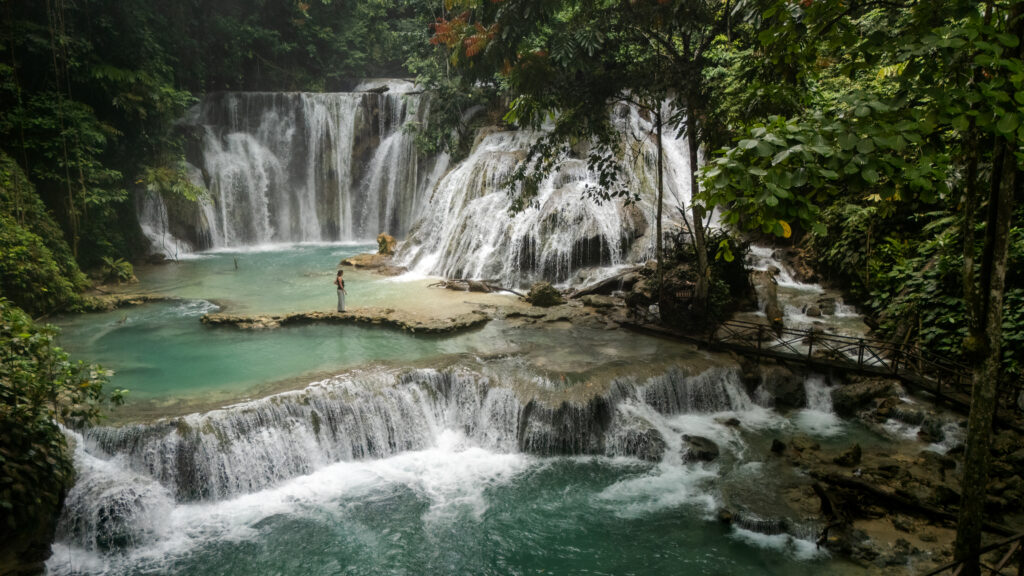 Piala Waterfall
Practical Tips for Your Trip
Carry enough cash, and more than you think you’ll need. ATMs are unreliable to non-existent once you leave Luwuk, and none of the homestays across the islands take cards (although some of them allow you to do a wise transfer, ask beforehand). But mainly, every rupiah you spend on accommodation, food, boats, and activities needs to come from cash you’ve withdrawn in advance.
Avoid ATM fees with Wise
The card I use for all my travel withdrawals – real exchange rate, low fees.
Use Revolut to avoid ATM fees
Good alternative to Wise – I carry both as a backup.
Sort your data before you arrive. Wi-Fi is essentially non-existent at homestays across the Banggai Islands, so if you need to stay reachable, look anything up, or share photos while you’re out there, an eSIM with mobile data is genuinely the only reliable option. Set it up before you leave Luwuk rather than hoping you’ll find signal once you’re on the islands, because you likely won’t.
Need data before you land? Try Saily eSIM
Use code RITAHE1486 for $5 off your first plan.
Budget for travel insurance too, it’s easy to overlook when you’re totting up daily costs. The islands are remote, medical care is limited to non-existent locally, and the nearest proper facilities are back in Luwuk. It’s a small line item against your total trip cost, but one that matters far more here than on a standard Indonesia itinerary.
Don’t skip travel insurance!
I use SafetyWing for most trips – solid coverage for adventure travel.
FAQs: Things to Do in the Banggai Islands
What is there to do in the Banggai Islands?
Highlights include swimming in Paisu Pok Lake, snorkelling with the endemic Banggai cardinalfish, boat trips to remote beaches, visiting Bajo stilt villages, and exploring by scooter. Much of the appeal is also in the slower pace, beach time, homestay meals, and sunsets rather than a packed sightseeing list.
How many days do you need in the Banggai Islands?
Most independent travellers spend somewhere between 5 and 14 days, depending on how many islands and bases they want to cover. Given how much time transport between islands can take, longer trips generally feel less rushed than shorter ones.
Is snorkelling good in the Banggai Islands?
Yes, particularly around Banggai Laut and Peleng, where reefs are home to the endemic Banggai cardinalfish along with a wide range of colourful reef fish, often accessible straight off the beach at homestays.
Can you visit the Banggai Islands without diving or snorkelling gear experience?
Yes, most of what’s on this list, the lake, villages, beaches, scooter exploring, doesn’t require any particular skill or experience, just time and a sense of curiosity.
Final Thoughts
The best things to do in the Banggai Islands aren’t really a list at all, they’re a pace: slow mornings at the lake, afternoons exploring by scooter or boat, evenings watching the sunset from wherever you’re staying. Build in more time than you think you need, and let the itinerary stay loose.
More of the Banggai Islands
More Independent Travel in Sulawesi
If you’re travelling through Sulawesi independently, Banggai Islands are just one piece of the puzzle. These posts dive deeper into some of the island’s most remote, rewarding, and lesser-visited regions, all explored without tours and on a backpacker budget:
Have questions about where to stay in the Banggai Islands? Drop them in the comments. I read every single one.