Planning an overland trip through the Caucasus entirely on your own can feel incredibly daunting. How do you navigate local mountain minivans without speaking Georgian or Armenian? Can you realistically trek beneath 5,000-meter peaks, explore vibrant capital cities, and photograph ancient monasteries perched on the edges of deep canyons without a private driver? The answer is a resounding yes, but only if you give it enough time. Trying to rush through this region in ten days is a recipe for burnout. This independent Georgia and Armenia itinerary stretches across three weeks, allowing you to experience the raw magic of the Caucasus at a human pace using nothing but marshrutkas (local minibuses) and trains.
By trading private tours for local transport, you’ll experience legendary hospitality up close while keeping your costs remarkably low. This logistically seamless route kicks off amidst the dramatic, tower-dotted alpine valleys of Svaneti, giving you a full, unhurried four days to complete the iconic trek to Ushguli. From there, you’ll drop down to the historic streets of Kutaisi and Tbilisi before crossing cleanly overland into the volcanic canyon landscapes and ancient monastic complexes of Armenia. If you are ready to prove that you do not need an expensive tour or your own wheels to explore this incredible corner of the world, here is your definitive three-week blueprint.
Why This Specific Route Works
This route is logistically engineered to maximise your limited time. It avoids unnecessary backtracking by establishing a clear north-to-south trajectory. You begin in western Georgia, climb deep into the high mountains, filter through the central transit hubs, and cross overland into Armenia.
This flow provides an incredible cultural and visual narrative. You will begin with rugged, high-altitude alpine adventures and medieval stone defence towers. Next, you will transition into the bustling, cosmopolitan city life of Tbilisi. You will finish your journey surrounded by the deep gorges, volcanic stone architecture, and early Christian history of Armenia.
Essential Caucasus Transit 101
Navigating public transport in the Caucasus is highly efficient once you understand how the local hubs connect.
Visas and Border Crossings at a Glance
Most European, UK, US, and Australian passport holders can enter both Georgia and Armenia completely visa-free for tourist stays. Georgia is incredibly generous, allowing a full one-year visa-free stay for many nationalities, while Armenia allows 180 days.
This itinerary includes one overland international border crossing. You will cross from Georgia to Armenia at the Sadakhlo/Bagratashen border point. If you take the international overnight train, passport control is completed directly on board while the train idles at the border tracks, making it an incredibly smooth experience.
Caucasus Itinerary Customiser
Caucasus Route & Logistics Planner
Select the countries you are visiting and your travel style to generate a tailored logistical blueprint and budget estimation.
Estimated 21-Day Cost: €0
Estimated breakdown:
Custom Packing Essentials
The 3-Week Caucasus Public Transport Itinerary
Day 1: Arrival in Kutaisi
Welcome to Georgia! Most budget airlines fly directly into Kutaisi International Airport. Catch an official Georgian Bus or Omnibus express shuttle directly from the terminal to the city center. Spend your first afternoon adjusting and exploring Georgia’s historic second city. Walk across the unique White Bridge, take the Soviet-era cable car up to the hilltop amusement park for panoramic views, and visit the grand Bagrati Cathedral to see traditional medieval Georgian architecture. For a complete city breakdown, read my comprehensive Kutaisi Travel Guide.
Day 2: Kutaisi to Mestia (Svaneti Mountains)
Head early in the morning to the main Kutaisi Bus Station (located near the McDonald’s). Board a direct morning marshrutka bound for Mestia, the central hub of the Svaneti mountain region. The journey takes roughly 5-6 hours as the flat valleys give way to dramatic, winding mountain gorges. Arrive in Mestia by the afternoon. Check into your local guesthouse, grab your mandatory trail snacks, and watch the iconic medieval Svan stone defense towers light up against the night sky.
Day 3-6: Mestia to Ushguli Trek
Instead of rushing through the mountains, dedicate these four days to conquering the famous trek from Mestia to Ushguli. This iconic alpine route weaves through emerald meadows, forces you across fast-flowing glacial rivers, and climbs over the spectacular Chkhunderi Pass for unobstructed, jaw-dropping views of the colossal Adishi Glacier. Each night, you will drop into remote, atmospheric Svan villages like Zhabeshi, Adishi, and Iprali, where you can sleep in traditional stone defence-tower hamlets and experience legendary mountain hospitality over massive, home-cooked Georgian feasts. Then, you will finally round the bend to see Ushguli, one of the highest continuously inhabited settlements in Europe, dramatically framed by the snow-blanketed 5,193-meter wall of Mount Shkhara.
Want to map out every river crossing and trail elevation? Check out my comprehensive, step-by-step Mestia to Ushguli Trekking Guide for detailed daily trail notes, horse-hire tips, packing lists, and recommended family homestays.
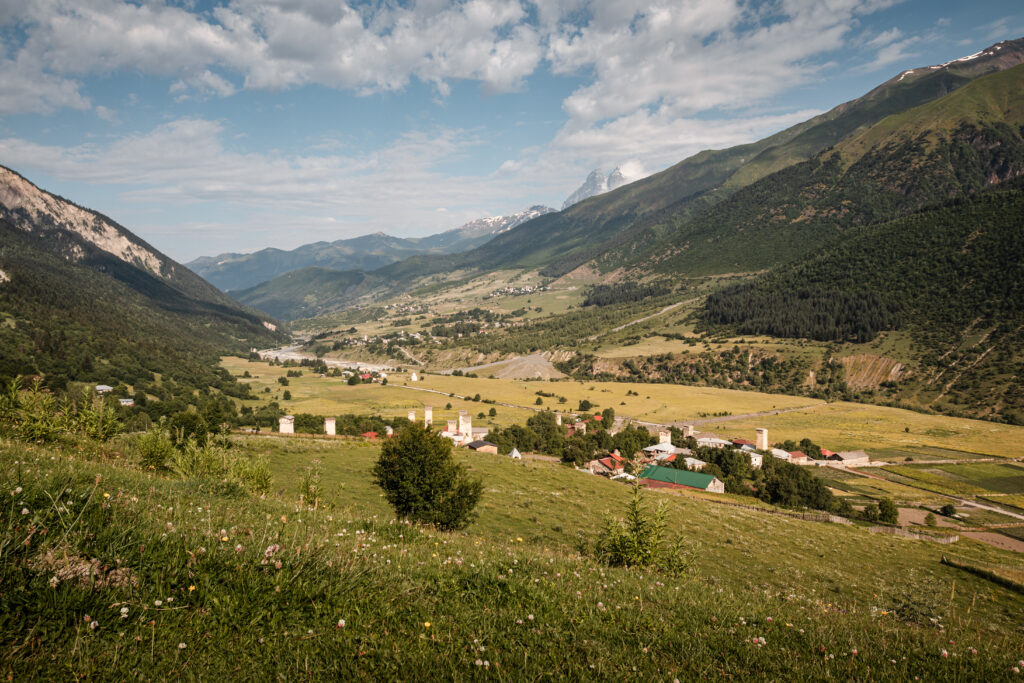 Arrival to Chvabiani village
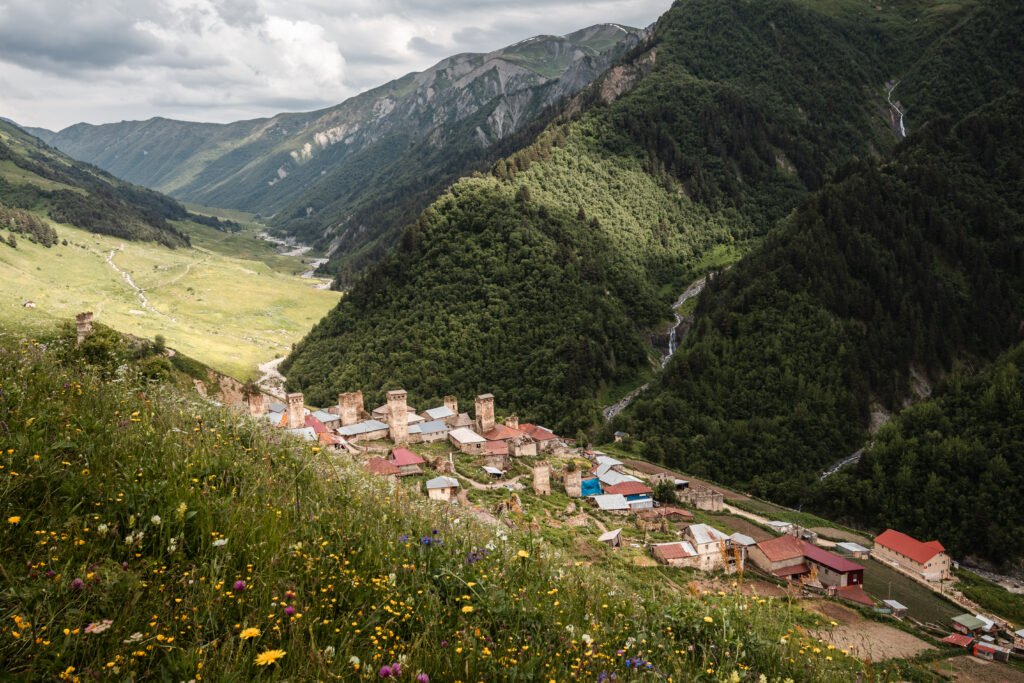 Traditional Svan towers in Adishi village
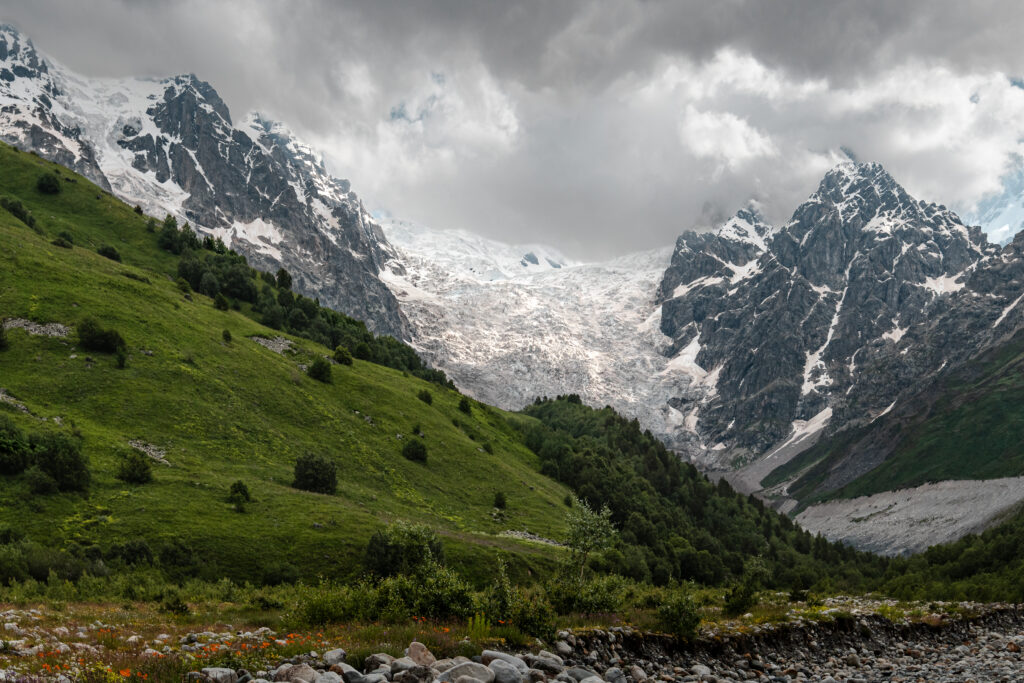 Views of the Adishi glacier
Day 7: Ushguli back to Mestia (Rest Day)
You’ve earned a break! Sleep in, enjoy a slow breakfast with mountain views, and walk up to the Lamaria Church on the edge of the village. At midday, head to the central bridge in Ushguli where shared 4×4 minivans gather. Pay for a seat back to Mestia (roughly 1.5 hours of bumpy driving). Spend the night back in Mestia enjoying a hot shower, doing laundry, and resting your legs.
Day 8: Mestia to Tbilisi (The Long Transit)
Wake up early to catch the direct morning marshrutka from Mestia back down the mountains all the way to Tbilisi. This is an intense, bumpy 8-to-9-hour transit day, so pack plenty of water, snacks, and downloaded podcasts. The bus will drop you off at the chaotic Didube Bus Station in northern Tbilisi. From Didube, hop directly onto the cheap, efficient Tbilisi Metro to reach your hotel in the old town centre. Rest your legs and grab a comforting dinner of Khinkali (giant Georgian dumplings).
Day 9: Explore Tbilisi’s Hidden Lanes
Spend a full, relaxed day uncovering the layers of Georgia’s fascinating capital city. Wander through the atmospheric, beautifully crumbling wooden balconies of the Old Town. Ride the aerial tramway from Rike Park up to the ancient Narikala Fortress for sweeping views of the Mtkvari River, then walk back down through the sulphur bath district of Abanotubani. In the evening, explore the trendy, repurposed industrial spaces of Fabrika for a look at local youth and arts culture. For a fully optimised self-guided walking route, follow my Tbilisi Independent Guide.
Day 10: Journey into the High Caucasus (Tbilisi to Kazbegi)
Head to the Didube Bus Station in the morning. Board a marshrutka or a shared taxi heading north along the spectacular Georgian Military Highway toward Kazbegi (Stepantsminda). The road winds past the turquoise Zhinvali Reservoir and the spectacular Ananuri Fortress before climbing over the breathtaking Jvari Pass. Arrive in Stepantsminda town by midday, check into your guesthouse, and look up at the towering mountains framing the town.
Day 11: Hiking to Gergeti Trinity Church & Valley Trails
Today is dedicated to exploring Kazbegi’s incredible mountain scenery. From the town center, embark on the steep but beautiful two-hour hike up to the iconic Gergeti Trinity Church, which sits dramatically backed by the massive snow-capped pyramid of Mount Kazbegi (5,054m). Since you have plenty of time, continue past the church along the trail heading toward the Gergeti Glacier if you want a longer challenge. Return to town for a hearty mountain dinner. I have mapped out the alternative trail routes in my Kazbegi Hiking Guide.
Day 12: Kazbegi back to Tbilisi
Catch a late-morning marshrutka from Kazbegi back down to Tbilisi. Arrive by afternoon, check back into your accommodation, and use this time to catch your breath. Visit the Chronicles of Georgia, a massive, Soviet-era stone monument nicknamed the “Georgian Stonehenge” that sits quietly overlooking the Tbilisi Sea, far away from the tourist crowds.
Day 13: Tbilisi to Yerevan (Overland to Armenia)
You have two great independent choices to reach Armenia today. You can spend the day exploring more of Tbilisi and board the international overnight sleeper train from Tbilisi Central Station in the evening. Alternatively, you can head to the Avlabari station in the morning to catch a direct international shared taxi or marshrutka straight to Yerevan. The overland drive takes roughly five to six hours, routing through the beautiful Debed Canyon, while the overnight train takes around 12h. Arrive in Yerevan, check into your hotel, and watch the dancing fountains at Republic Square.
Day 14: Explore Yerevan (The Pink City)
Spend a full day exploring Armenia’s vibrant, café-lined capital. Yerevan is affectionately known as the “Pink City” due to the unique rosy volcanic tufa stone used to build most of its central architecture. Climb the massive architectural Cascade complex at sunset for a breathtaking view of the city with the majestic silhouette of Mount Ararat looming in the distance. Visit the somber yet deeply moving Armenian Genocide Memorial complex on Tsitsernakaberd hill. For budget food spots and navigation tips, view my comprehensive Armenia Travel Guide.
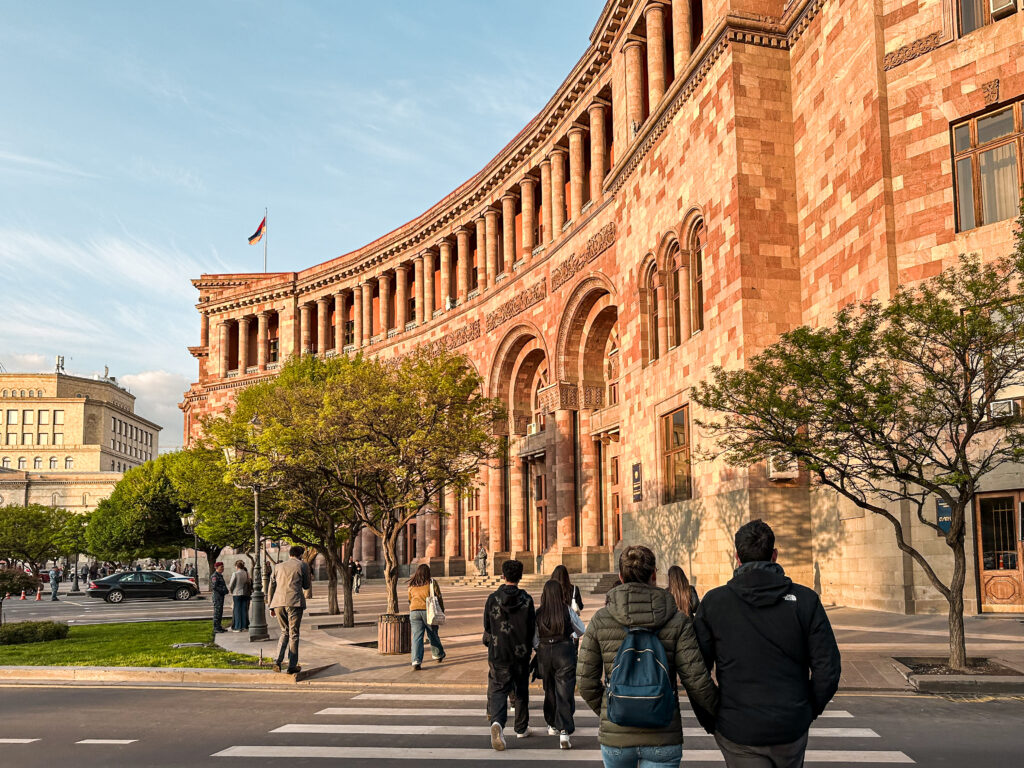 Republic Square built with pink volcanic stone
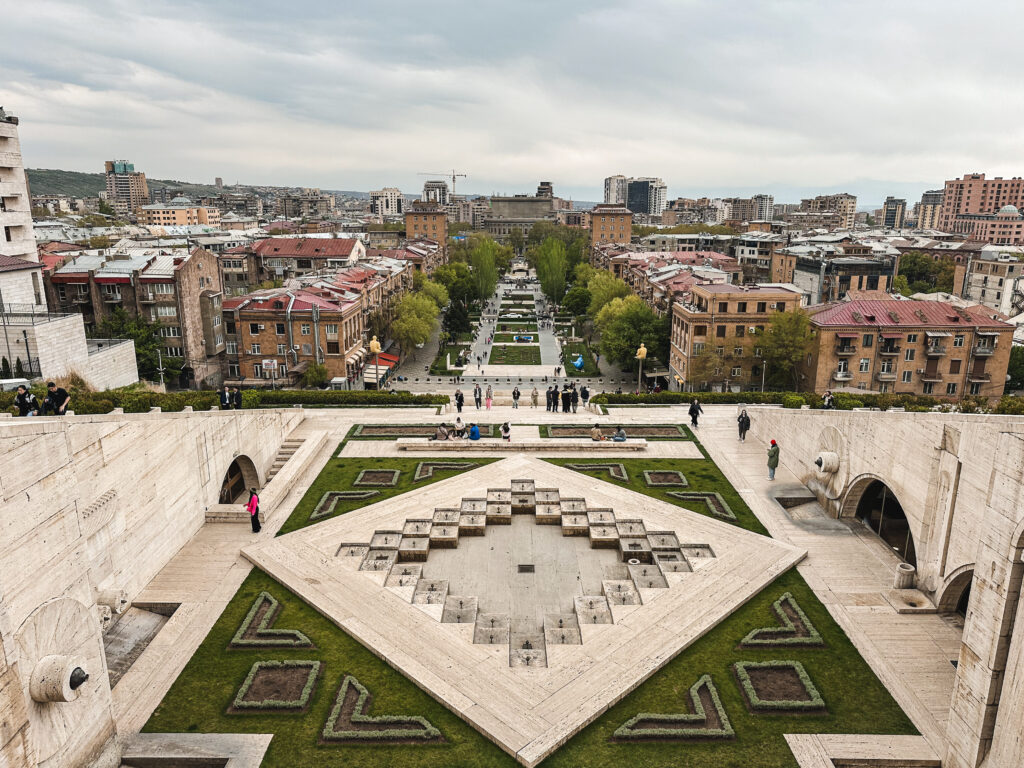 Cascade Complex
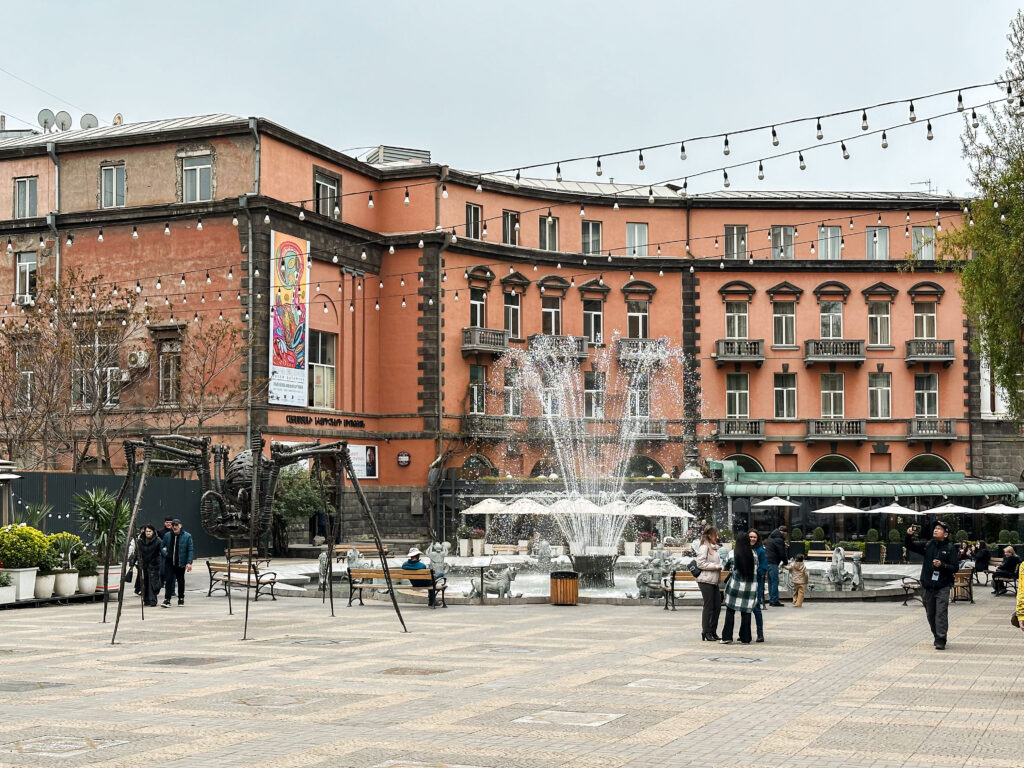 Squares of Yerevan
Day 15: Day Trip to Garni Temple & Geghard Monastery
Head to the Gai Bus Station in north-eastern Yerevan. Board local Marshrutka #266 or #284 bound for the village of Garni. Explore the spectacular Garni Temple, a beautifully reconstructed 1st-century Greco-Roman pagan temple perched above a deep river gorge and the nearby Symphony of Stones. After viewing the temple, hire a cheap local taxi from the village square to take you a few kilometres deeper into the mountains to Geghard Monastery. This UNESCO World Heritage site is an ancient monastic complex partially carved directly out of the solid rock cliff faces.
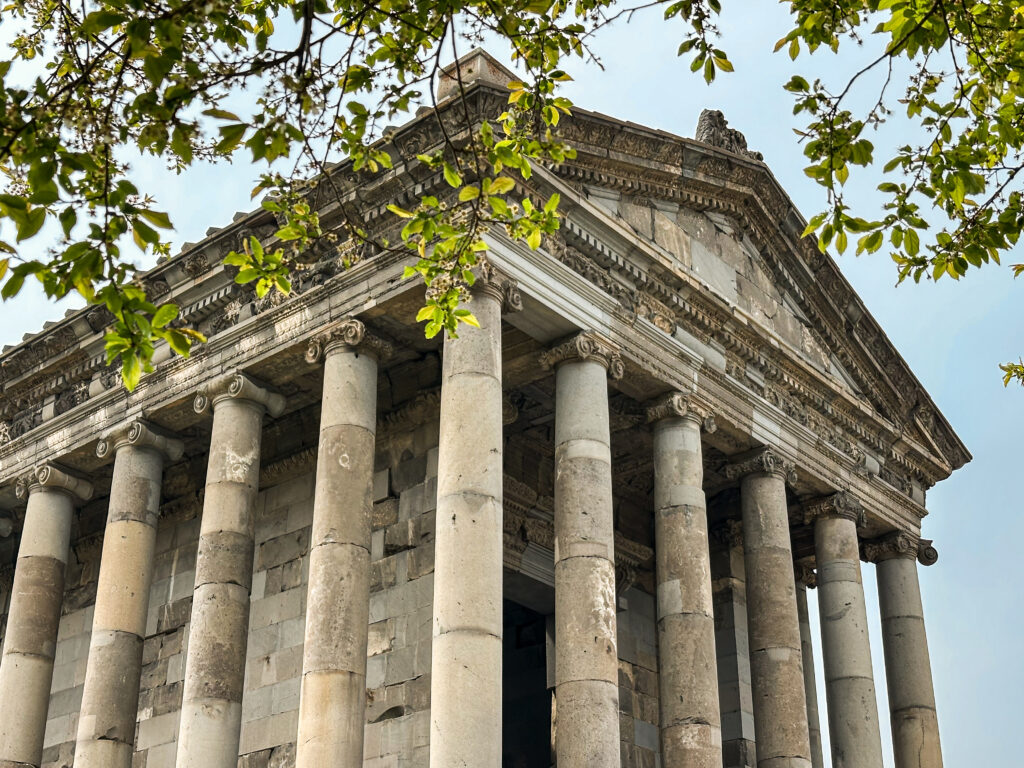 Garni Temple
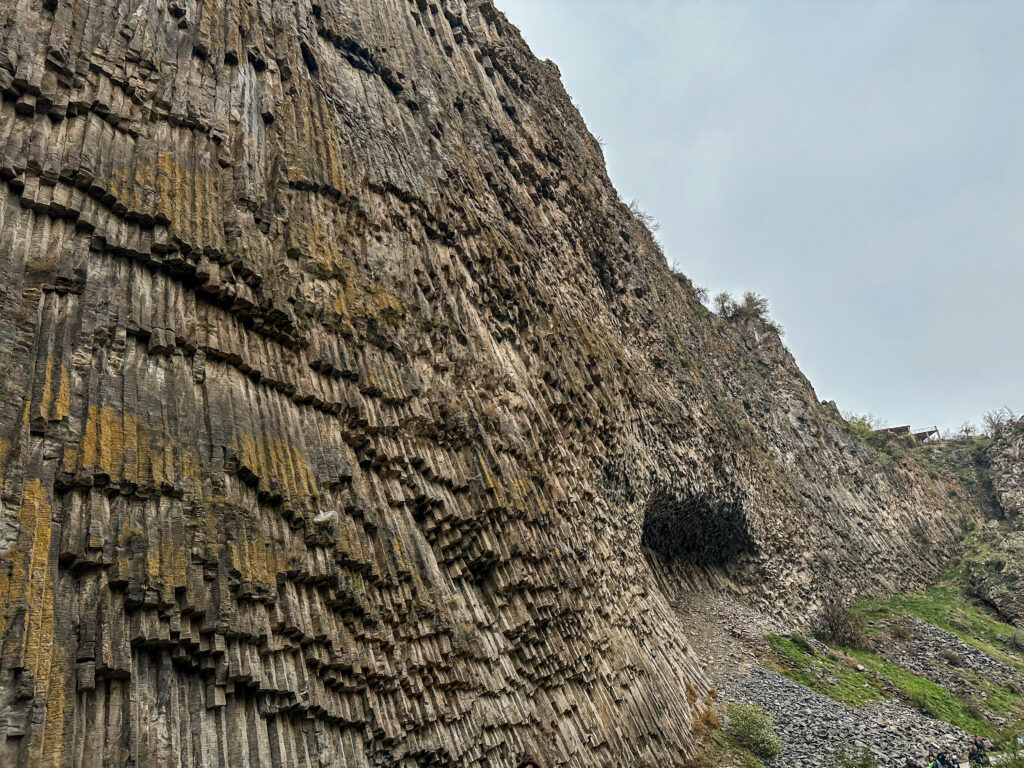 Symphony of Stones
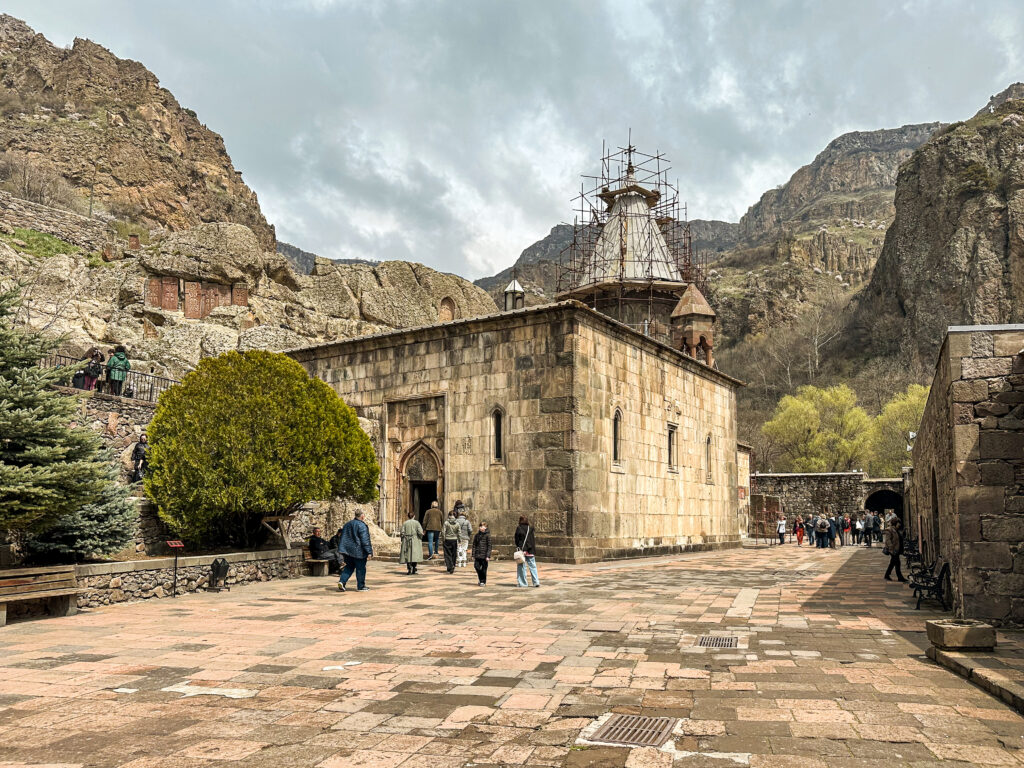 Geghard Monastery
Day 16: Day Trip to Khor Virap
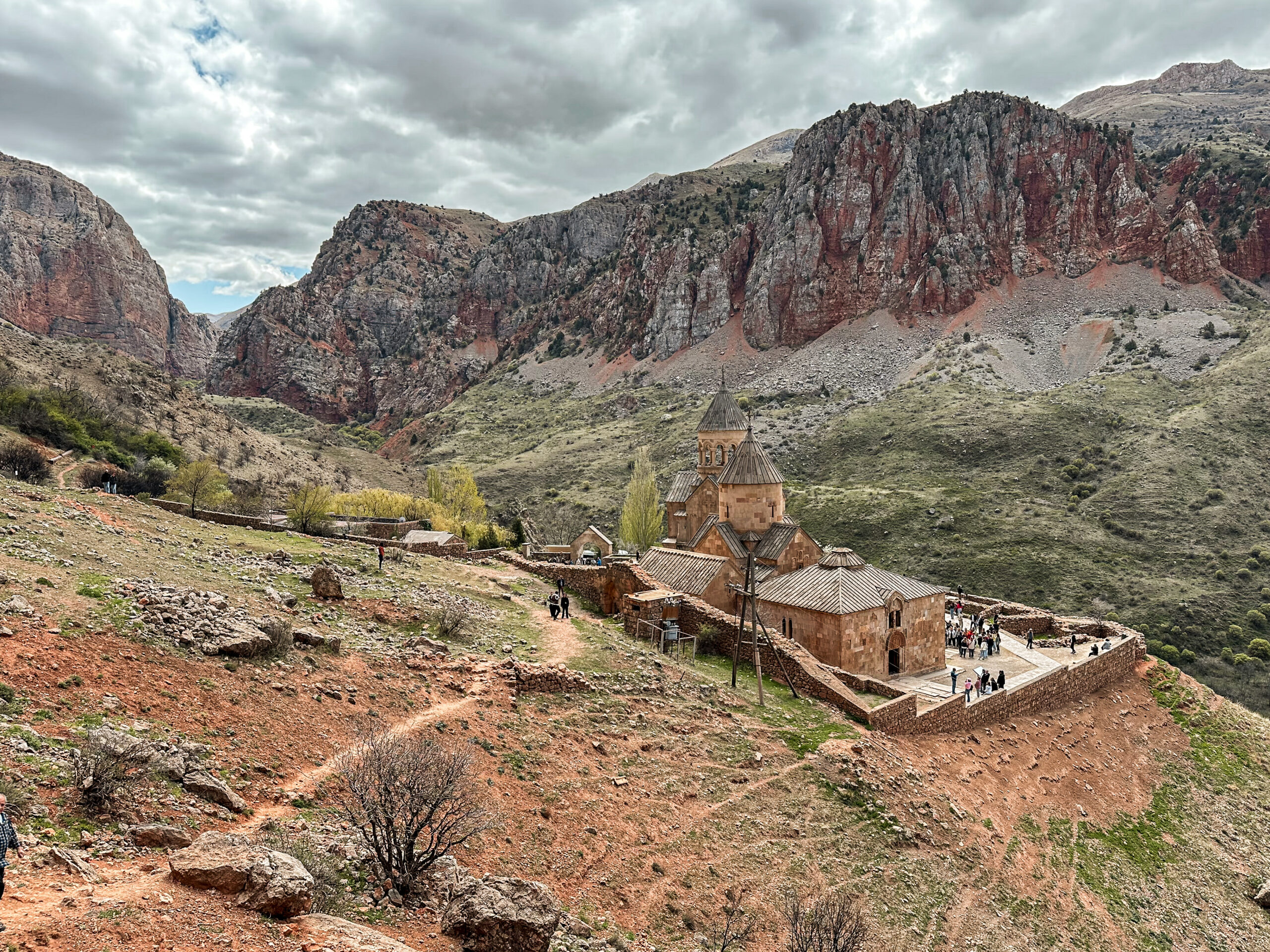
Prepare for an incredibly ambitious, jaw-dropping transit day heading deep into southern Armenia. Leaving Yerevan early, your first stop is the iconic Khor Virap Monastery, sitting right on the closed border with Turkey directly beneath the colossal, snow-capped peaks of Mount Ararat. From there, you will wind through rugged red rock canyons to reach Noravank Monastery, a 13th-century masterpiece hidden in a sheer gorge. Finally, push south to ride the “Wings of Tatev”, the world’s longest reversible cable car, across the Vorotan River Gorge to reach the breathtaking Tatev Monastery, perched dramatically on a basalt plateau.
Planning this massive southern loop? I’ve broken down how I did it on a budget by using a local day tour company in my detailed Armenia Travel Guide. If you have more time, it’s also possible to reach these places independently across a few days. However, if you’re short on time, joining a day tour from Yerevan is your best option.
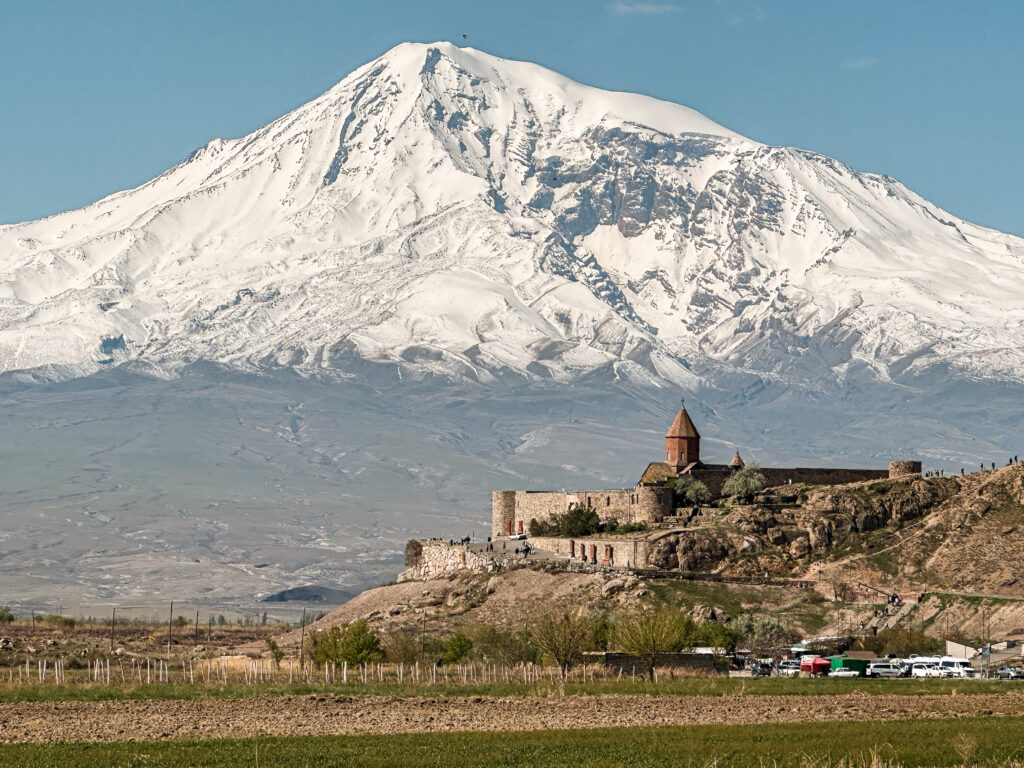 Khor Virap Monastery with Mount Ararat in the background
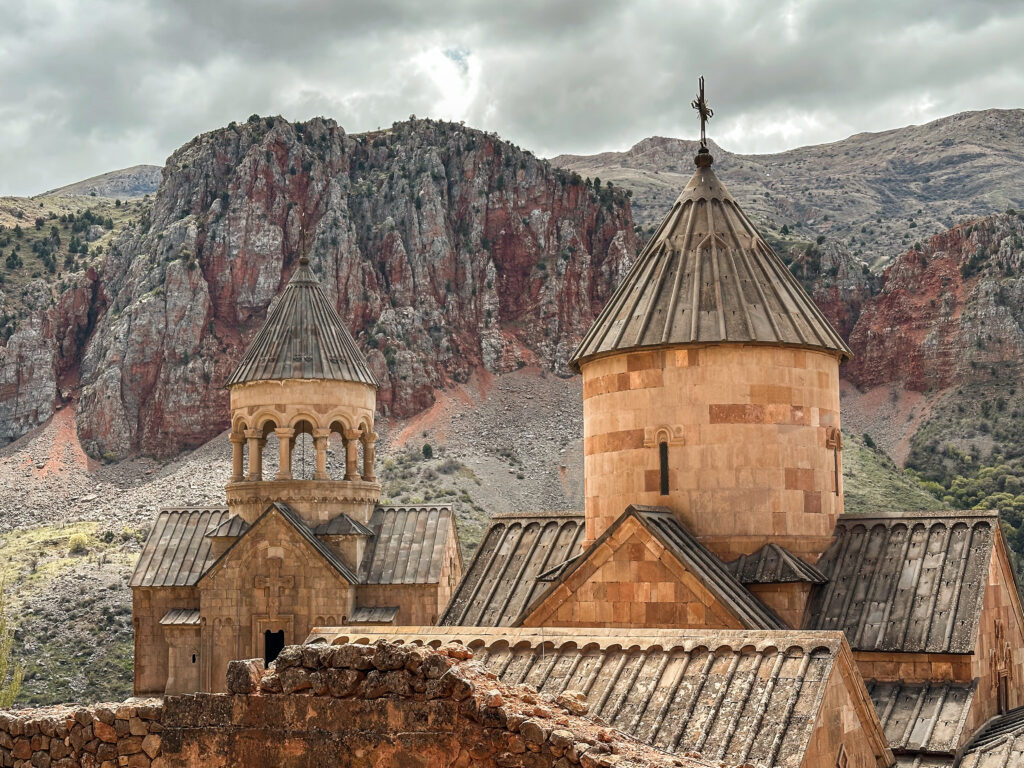 Noravank Monastery
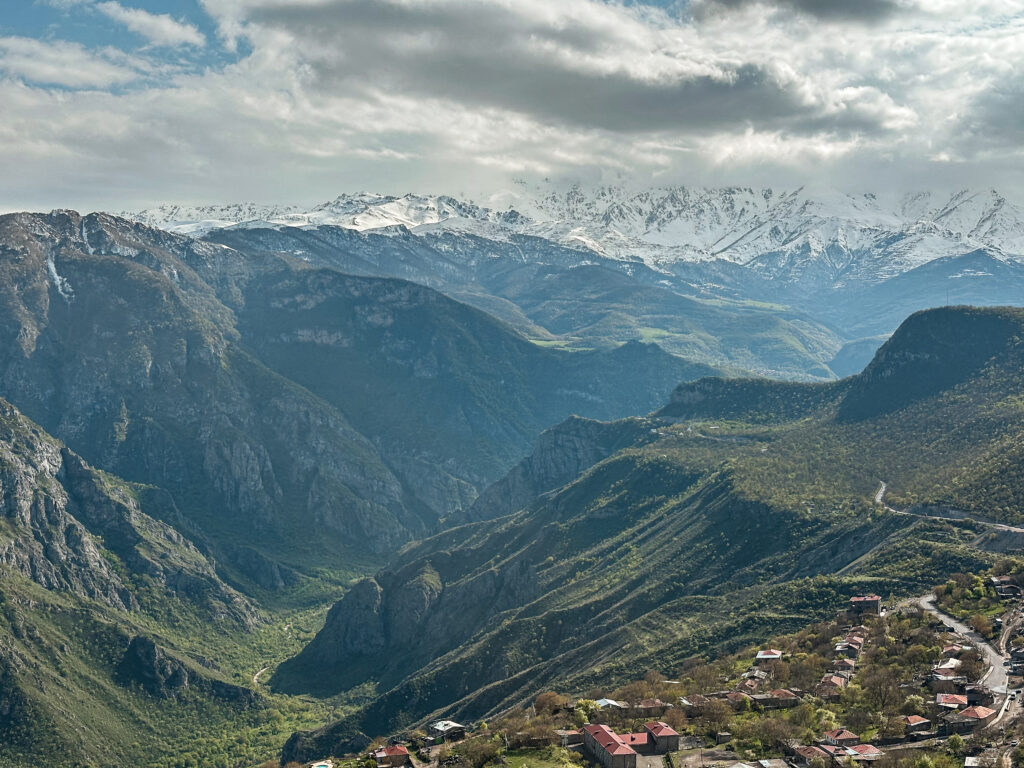 Vorotan Gorge
Day 17: Yerevan to Dilijan
Head to the Northern Bus Station in Yerevan. Board a morning marshrutka bound for Dilijan. The route takes you past the shimmering alpine waters of Lake Sevan before plunging through a long mountain tunnel. Arrive in Dilijan. Stay in a local homestay.
Day 18: Dilijan (The Armenian Switzerland)
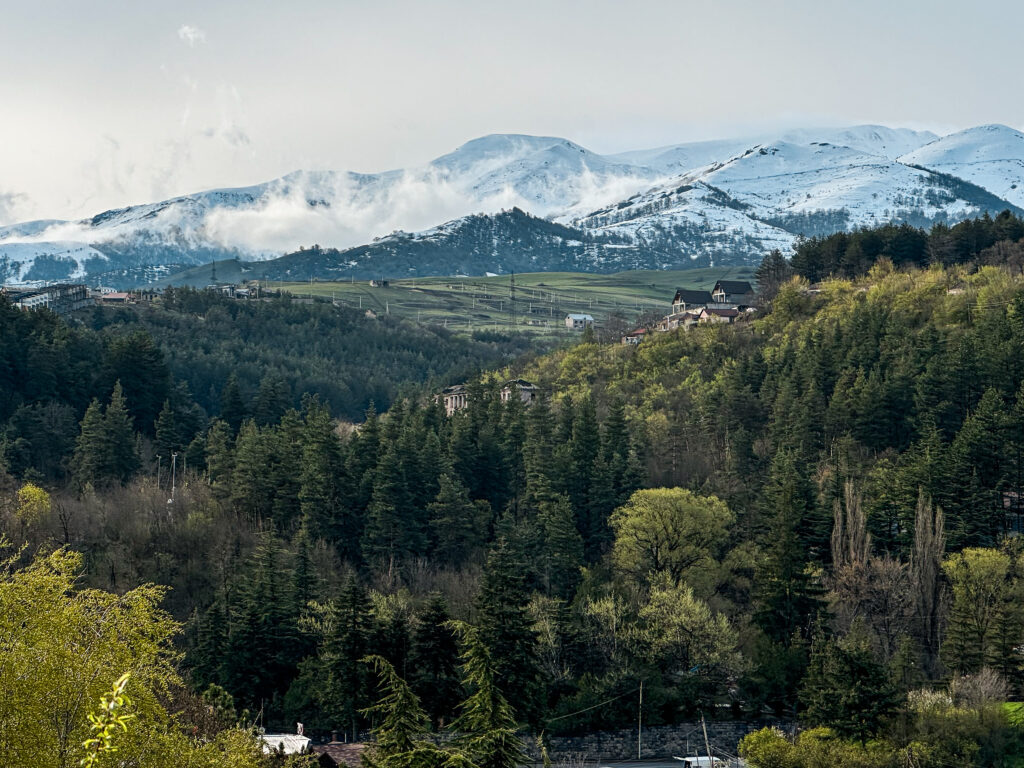
Enjoy Dilijan, a lush town surrounded by thick emerald forests that locals call “The Armenian Switzerland.” Spend the day hiking the quiet woodland trails out to the hidden medieval monasteries of Haghartsin or Goshavank. Stay in a local homestay.
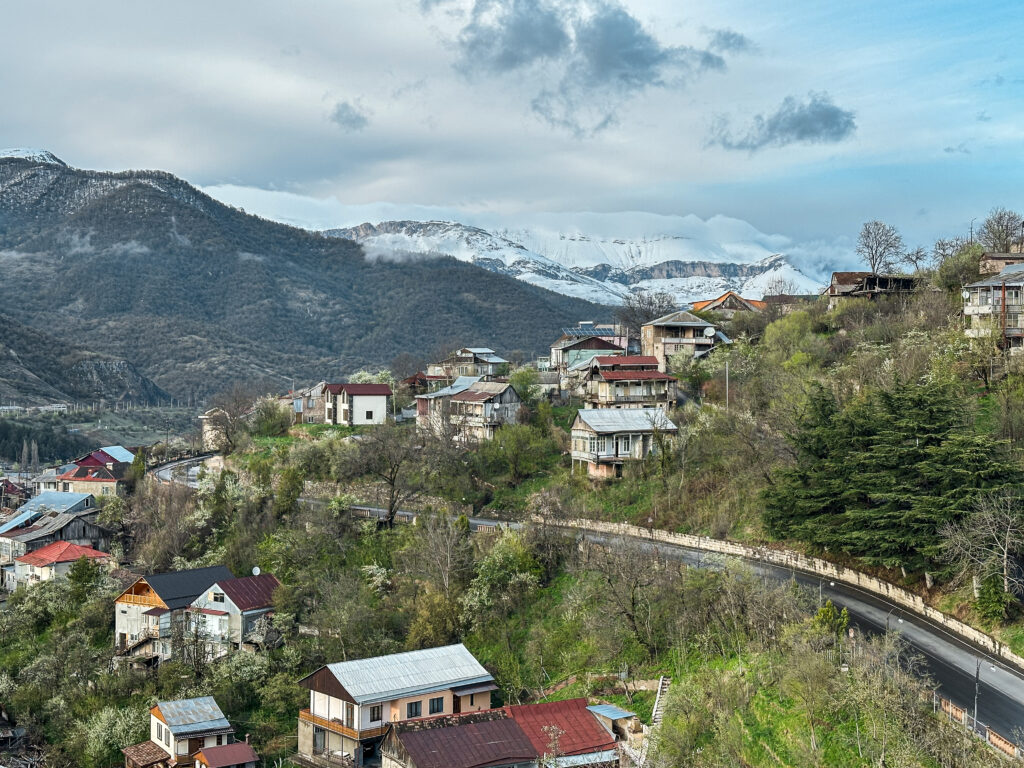
Day 19: Dilijan back across the Border to Tbilisi
Say goodbye to Armenia as you catch local transport north to connect with an international shared taxi or bus crossing the border cleanly at Sadakhlo. Arrive back in Tbilisi by late afternoon, check into your accommodation, and reward yourself with a delicious Khachapuri.
Day 20: Tbilisi Cafe Culture or Day Trip to Sighnaghi (Wine Region)
For your final full day in the Caucasus, you can choose between two perfect options depending on your energy levels:
Option A: Slow Tbilisi Exploration. Use this buffer day to catch your breath. Wander through the creative spaces of Marjanishvili, sit in cozy old-town cafes, or take a peaceful walk up around the old town, the perfect way to wind down a three-week adventure.
Option B: Day Trip to Sighnaghi. If you still have an appetite for adventure, head to Tbilisi’s Samgori Bus Station and hop on a morning marshrutka eastward into the rolling hills of Kakheti, the cradle of Georgian wine. Base yourself in the romantic, walled hilltop town of Sighnaghi. You can spend the afternoon walking the 18th-century stone fortifications, tasting unique amber wines fermented in traditional clay qvevris, and looking out over the vast Alazani Valley toward the distant peaks of the High Caucasus. You can easily catch a late-afternoon bus back to Tbilisi in time for a final dinner.
Day 21: Departure
Take the local airport bus or a quick YandexGo or Bolt ride out to Tbilisi International Airport (TBS) or head back to Kutaisi if your return flight leaves from the west. Say goodbye to the Caucasus!
Estimated Budget for 3 Weeks in the Caucasus
| Expense Category | Estimated Cost (EUR) | Notes |
| Accommodation | €14 – €40 per night | Local guesthouses, budget hostels, or mountain homestays |
| Transport | €5 – €20 per day | Very cheap marshrutkas, metro lines, and regional trains |
| Food & Drink | €8 – €20 per day | Hearty portions of khinkali, khachapuri, and local dolma |
| Activities & Entries | €2 – €10 per day | Most monasteries are free; minor fees for cable cars or museums |
| Total Daily Budget | €25 – €80 per day | A classic independent budget |
Connectivity & Money in the Caucasus
SIM Cards: Do not rely on single multi-country roaming packages, which are often overpriced. Buy a local physical SIM card immediately upon arrival in each country. Magti or Silknet are excellent choices in Georgia, while Viva-MTS or Team Telecom offer great coverage across Armenia. You can also opt to get an eSim instead:
Need data before you land? Try Saily eSIM
Use code RITAHE1486 for $5 off your first plan.
Cash vs. Card: Tbilisi, Kutaisi, and Yerevan are highly modernized; you can pay with contactless cards or phones in almost all urban supermarkets, cafes, and metro stations. However, the second you step onto a marshrutka, visit a rural mountain homestay, or buy fruit at a village market, cash is the only accepted currency. Always keep Georgian Lari (GEL) and Armenian Dram (AMD) on hand.
Avoid ATM fees with Wise
The card I use for all my travel withdrawals – real exchange rate, low fees.
Use Revolut to avoid ATM fees
Good alternative to Wise – I carry both as a backup.
Solo Female Safety in the Caucasus
Traveling solo as a female across Georgia and Armenia is remarkably safe and straightforward. Street harassment is uncommon, and violent crime rates are exceptionally low.
The greatest cultural asset you will encounter is the intense local hospitality. If you look lost at a chaotic bus terminal, locals will often walk you directly to your specific marshrutka or translate for the driver. It is customary to dress respectfully when entering active churches and monasteries; women should carry a light scarf to cover their heads, and both men and women should avoid entering religious spaces in short shorts.
FAQs about Travelling the Caucasus
No. The land border between Armenia and Azerbaijan is completely closed due to ongoing political conflict, and there are no direct flights or transport links between the two nations. If you plan to visit all three Caucasus countries, you must use Georgia as a neutral transit hub to cross between them. Additionally, ensure your passport does not contain entry stamps from the disputed Nagorno-Karabakh region if you plan to visit Azerbaijan later.
English is spoken fluently by many young people and hospitality workers within major hubs like Tbilisi, Batumi, and Yerevan. However, once you take a marshrutka out into rural farming villages or mountain valleys, English proficiency drops off completely. Because both countries were part of the Soviet Union, Russian remains the most widely understood second language across generations. Learning a few basic phrases in Georgian (Gamarjoba) and Armenian (Barev) is highly appreciated by locals.
The international sleeper train operates on an alternating schedule (every night during peak summer months, and every other night during winter). You can purchase tickets directly at the counter inside Tbilisi Central Station or Yerevan Railway Station. Alternatively, you can book online in advance via the official South Caucasus Railway website. Always bring your physical passport to the ticket counter when booking.
In Georgia and Armenia, tap water is generally considered safe to drink in major urban centres like Tbilisi and Yerevan. Armenia is particularly famous for its pulpulaks, small public water fountains scattered across every city park and street corner that offer free, ice-cold, delicious mountain spring water to passersby. In remote mountain villages, always ask your guesthouse host about the local water source before filling your bottle.
Final Thoughts
An independent journey across the dramatic peaks of Georgia and the historic stone complexes of Armenia by public transport requires flexibility and a spirit of adventure. By turning away from structured tour packages and jumping onto local marshrutkas, you unlock a raw, deeply authentic perspective of one of Europe’s final hidden frontiers.
Ready to Start Planning you Caucasus Adventure?
Don’t forget to check out my specific, highly detailed regional breakdowns for this exact loop to make sure your logistics are completely bulletproof before you go:
More Independent Mountain & Off the Beaten Track Travel Guides
If you love rugged alpine landscapes, navigating remote regions via local public transport, and exploring places that are still blissfully free from mass tourism, you will find plenty of inspiration in these other deep-dive guides from around the world: