
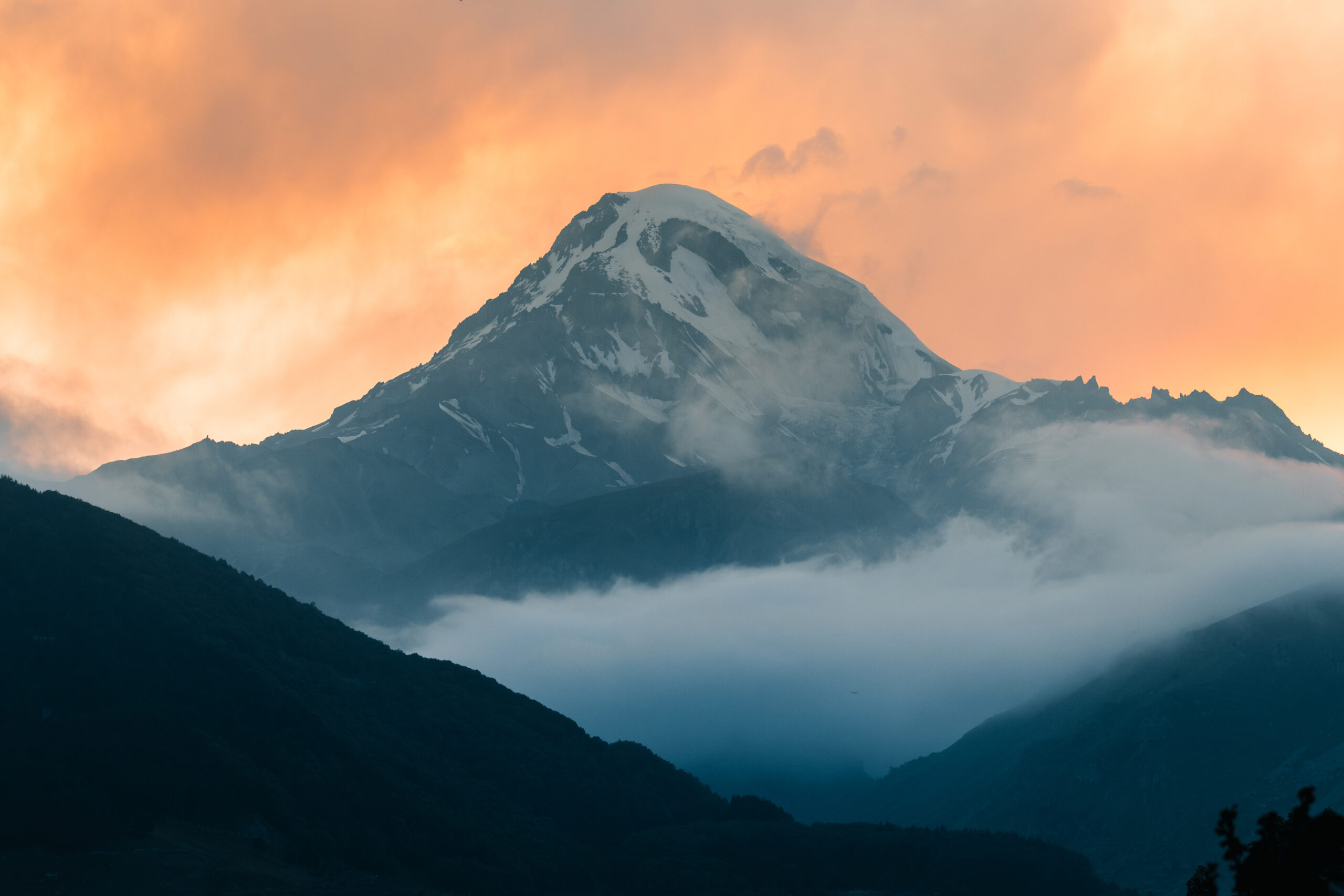
Hiking in Kazbegi is the reason most people make the trip north from Tbilisi, and it delivers. The Gergeti Trinity Church hike is iconic for a reason, but it’s just the beginning. Truso Valley, Juta, Gveleti Waterfall, the region has enough trails to fill several days, and the scenery never gets old. The town of Stepantsminda sits beneath Mount Kazbek at over 5,000 metres, and on clear mornings the view from your guesthouse window is enough to make you stay longer than planned.
In this guide I’ll cover the main hikes, how to get there by marshrutka from Tbilisi, where to stay on a budget, and the practical details that actually matter when you’re planning the trip.
How to Get to the Kazbegi Region
Reaching the Kazbegi region (Stepantsminda) is relatively straightforward, though the journey itself is part of the experience. The road winds through the dramatic Caucasus Mountains, offering spectacular views along the way.
The most common option for independent travellers is public transport from Tbilisi. Marshrutkas depart from Didube Station, which is the main northern bus station in the city. Trips to Stepantsminda take around 3 to 4 hours, depending on traffic and weather, and tickets are inexpensive. Marshrutkas are frequent in the morning, especially during high season, and you’ll find both locals and tourists on board.
If you prefer flexibility or are travelling in a small group, hiring a private car is another option. It’s more expensive than the marshrutka but allows you to stop along the way at viewpoints, monasteries, or other sights on the Georgian Military Highway. You can also combine a Kazbegi trip with stops at Ananuri Fortress and other landmarks along the route.
Driving yourself is possible for experienced drivers, but keep in mind that the mountain roads can be narrow, winding, and sometimes challenging in winter or early spring. For most solo travellers or those on a budget, the marshrutka remains the most practical option.
How much does Kazbegi cost per day?
Kazbegi is affordable, though slightly pricier than other regions in Georgia due to its popularity with tourists. Guesthouses often include breakfast, which helps.
| Category | Budget | Mid-range | Notes |
|---|---|---|---|
| Accommodation | €10–18 | €25–50 | Guesthouses usually include breakfast |
| Food | €6–12 | €15–25 | Local restaurants; khinkali and soups dominate |
| Transport (Tbilisi–Stepantsminda) | €4–6 | €30–60 | Marshrutka vs. private car |
| Activities/guides | €0–10 | €20–50 | Gergeti hike free; Truso Valley needs 4×4 |
| Miscellaneous | €2–4 | €4–8 | Snacks for hikes |
| Daily total (once there) | €18–44 | €64–143 |
The marshrutka from Tbilisi to Stepantsminda is one of the best-value journeys in Georgia: €4-6 for a 3.5-hour ride through some of the most dramatic mountain scenery in the Caucasus.
Things to Do in the Kazbegi Region
The Kazbegi region is all about mountains, nature, and dramatic scenery, with Stepantsminda serving as the main base for exploring. Even a short visit gives you access to some of Georgia’s most iconic landscapes.
Gergeti Trinity Church
The most famous attraction in the region is the Gergeti Trinity Church, perched on a hill beneath the towering Mount Kazbek. You can reach it by a steep hike of 1.5-2 hours, or by road if you prefer not to walk. The church itself dates back to the 14th century and has become a symbol of the Caucasus, a mix of history, spirituality, and breathtaking mountain panoramas. The view of the church with Mount Kazbek in the background is one of Georgia’s most popular landscapes.
Hiking and Nature Trails
Kazbegi is a paradise for hikers. Beyond the trail to Gergeti, there are routes to Gveleti Waterfall, Truso Valley, and Juta, each offering unique landscapes of alpine meadows, glaciers, and remote villages. Trails range from easy walks to multi-day treks, making the region accessible for casual walkers and serious hikers alike.
Mount Kazbek
For those with experience in mountaineering, Mount Kazbek itself (5,033 m) is an option. It requires proper gear and guides, but even from Stepantsminda you can enjoy views of the peak, especially at sunrise or sunset, when the snow-capped summit glows against the sky.
Local Villages and Culture
Exploring nearby villages gives a sense of traditional Georgian mountain life. You’ll see stone houses, ancient churches, and pastoral landscapes where locals herd sheep and grow crops. Many guesthouses in Stepantsminda can arrange short walks or cultural experiences with locals, from tasting homemade cheese to learning about Georgian traditions.
Scenic Stops Along the Georgian Military Highway
Even if you’re only passing through, the road to Kazbegi is lined with attractions. Ananuri Fortress, with its riverside views, is a popular stop. The highway itself offers countless viewpoints, so plan to take your time and enjoy the drive.
Where to Stay in the Kazbegi Region
Stepantsminda is the main town in the Kazbegi region and the most convenient base for exploring the surrounding mountains and trails. Accommodation here ranges from simple guesthouses to more comfortable hotels, with plenty of options for budget travellers and hikers.
For those looking for affordable and social stays, small hostels and guesthouses in the centre of Stepantsminda are ideal. Many of these have terraces with mountain views and easy access to local cafés and restaurants. Staying close to the main street also makes it easier to book day trips for excursions to Gergeti Church or Truso Valley.
If you prefer something a bit more private or comfortable, there are also mid-range guesthouses and boutique hotels scattered throughout the town, often offering mountain-view rooms and traditional Georgian breakfast. Booking in advance is recommended during peak season (spring to early autumn), as Stepantsminda is small and rooms fill up quickly.
No matter where you stay, having a base in Stepantsminda allows you to explore the region efficiently while enjoying the local mountain atmosphere, friendly hosts, and the stunning scenery of the Caucasus.
Georgian Food and Wine
Georgia is famous for its food and wine. The country has one of the oldest wine-making traditions in the world, with natural wines produced across every region. Eating here is a cultural experience as much as a culinary one: meals are hearty, flavourful, and meant to be shared. Some of the classic Georgian dishes to try include:
Beyond restaurants, almost any local bakery or café will have khachapuri, lobiani, and other staples, perfect for a snack or quick lunch. Pair your meal with a glass of Georgian wine or a shot of chacha (local grape brandy) to complete the experience.
Practical Tips for the Kazbegi Region
Visiting Kazbegi is relatively straightforward, but a few practical tips will make your trip safer, more comfortable, and more enjoyable.
Weather and Clothing: The region is mountainous, so temperatures can change quickly, even in summer. Bring layers, a waterproof jacket, and sturdy shoes for walking or hiking. Early spring and late autumn can still be snowy at higher elevations, while summer offers warmer, more stable conditions.
Getting Around: Within Stepantsminda, most attractions are reachable on foot, but to access Truso Valley, or other remote spots, you’ll need to arrange a ride to the trailhead or a guided tour. Local taxis and guesthouses can help arrange rides, and many hikes start directly from the town.
Cash and Payments: Many small restaurants, bakeries, and markets only accept cash (Georgian Lari – GEL), so it’s good to carry some with you. There are a few ATMs available in the city centre.
Avoid ATM fees with Wise
The card I use for all my travel withdrawals – real exchange rate, low fees.
Use Revolut to avoid ATM fees
Good alternative to Wise – I carry both as a backup.
Hiking and Trails: Trails to Gergeti Church and nearby waterfalls are well-marked, but if you plan longer treks to places like Juta or Truso Valley, check local weather, trail conditions, and consider hiring a guide if you’re unsure. For multi-day treks, bring water, snacks, and appropriate gear.
Food and Supplies: Stepantsminda has several small cafés and restaurants serving Georgian staples like khinkali, khachapuri, and soups, as well as shops where you can buy water and snacks for hikes. Meals are generally affordable, and many guesthouses provide breakfast.
Connectivity: Mobile coverage is decent in town, but it can be limited on mountain trails. A local SIM card from Tbilisi will work in Stepantsminda, but don’t rely on it for remote hikes. If you can’t be bothered getting a physical SIM card, you can always opt to get an eSIM, which allows you to get data as soon as you land in Georgia.
Need data before you land? Try Saily eSIM
Use code RITAHE1486 for $5 off your first plan.
Safety: Kazbegi is generally safe, but mountain roads can be steep and narrow. Drive carefully, especially in winter or in wet conditions, and allow extra time if travelling by marshrutka or 4×4.
Don’t skip travel insurance!
I use SafetyWing for most trips – solid coverage for adventure travel.
FAQs on Hiking in Kazbegi
Is the Gergeti Trinity Church hike difficult?
No, it’s a steep but short hike of 1.5–2 hours each way. The trail is clear and well-used. Almost anyone with reasonable fitness can do it. The view from the top with Mount Kazbek behind the church is worth every step.
Can I do Kazbegi as a day trip from Tbilisi?
Technically yes, but it’s not recommended. The marshrutka takes 3-4 hours each way, leaving you limited time. An overnight stay in Stepantsminda lets you catch the mountain at golden hour and sunrise, which is when it’s most spectacular. Two nights is better.
How do I get from Tbilisi to Kazbegi?
Marshrutkas depart from Didube Station in Tbilisi, usually from early morning. The journey takes 3–4 hours along the Georgian Military Highway. Tickets are bought at the station on the day.
What is the best time to visit Kazbegi?
Late May to October for hiking. July and August are the most reliable for clear skies. Spring and autumn are less crowded and the landscapes are beautiful, but some higher trails may have snow. Winter is harsh but Gudauri ski resort is nearby if that’s your thing.
Do I need a guide in Kazbegi?
For the Gergeti Church hike, no. For longer treks to Juta, Truso Valley, or multi-day routes, a local guide or at minimum local advice is recommended, especially if you’re going off the main trails.
Is Stepantsminda the same as Kazbegi?
Yes. Stepantsminda is the official name of the town, renamed from Kazbegi in 2006. Most locals, transport signs, and travellers still use both names interchangeably. The region is also called Kazbegi.
Final Thoughts on the Kazbegi Region
The Kazbegi region is one of Georgia’s most stunning destinations, combining dramatic mountain landscapes, traditional villages, and iconic landmarks like Gergeti Trinity Church. Whether you’re a hiker, a photographer, or just looking to escape the city, the scenery here is unforgettable, from alpine meadows and glaciers to rushing rivers and waterfalls.
Even a short visit from Tbilisi gives you a sense of the region’s raw beauty, but staying a few days allows you to explore trails, soak in the mountain air, and experience local hospitality in Stepantsminda. The combination of accessibility, outdoor adventure, and authentic Georgian culture makes Kazbegi a highlight of any trip to the country.
No matter the season, the mountains leave a lasting impression, and the simplicity of life in Stepantsminda, makes Kazbegi feel both peaceful and awe-inspiring. It’s a place that stays with you long after you leave and a must-visit for anyone exploring Georgia.
Explore More of the Caucasus
Georgia is just one highlight of the Caucasus, and there’s so much more to explore nearby. For travellers heading south, Armenia Travel Guide shows how to experience Yerevan, Dilijan, Lake Sevan, and the country’s incredible monasteries on a budget.
Here are the detailed guides I’ve written for other Georgia’s top regions.
Backpacking Georgia: Independent Travel Guide: The full overview: how to get around, where to go, what it costs, and why Georgia deserves more than a rushed week.
Tbilisi Travel Guide: Where to stay, what to eat, and how to spend your time in one of the most underrated capitals in the region. Also your most likely entry and exit point for Armenia.
Kutaisi Travel Guide: Georgia’s second city and a good base for the caves, canyons, and monasteries of western Georgia. Easy to reach by overnight train from Tbilisi.
The Mestia to Ushguli Trek, Svaneti: One of the best multi-day treks in the Caucasus. Remote, stunningly beautiful, and entirely doable independently. If you’re already this deep into the region, don’t skip it.
Whether you’re planning a short trip or an extended journey through the Caucasus, these guides will help you discover the best of the region’s landscapes, culture, and off-the-beaten-path experiences.