Kel-Suu Lake is one of the most remote and visually dramatic destinations in Kyrgyzstan, and one of the few places in the country that still sees almost no visitors. Sitting above 3,500 metres in a restricted border zone near China, the lake is surrounded by towering canyon walls and fed by glacial water that turns a vivid, almost unreal turquoise. Getting there requires a permit, a 4×4, and a full day of travel from Naryn, which is precisely why most people never make it.
This guide covers how to visit Kel-Suu Lake independently, without a tour or guide: how to get the border permit in Naryn, how to arrange the 4×4 to Kok-Kiya Valley, what the trek to the lake looks like, how much everything costs, and what to expect from the boat ride through the canyon. It’s more logistically involved than most Kyrgyzstan treks, but entirely manageable if you plan ahead, and the landscape when you get there is unlike anything else in Central Asia.
Best Time to Trek to Kel-Suu Lake
The ideal time for trekking to Kel-Suu Lake is mid-June to mid-September, when the snow has melted from the high passes and the valleys are green with alpine flowers. During these months, temperatures are generally mild during the day, making long treks across the Kok-Kiya Valley more comfortable.
July and August offer the most stable weather and the clearest skies, perfect for photography and camping. However, even in summer, nights at high altitude can be cold, and sudden storms are possible. Early summer (June) may still have patches of snow on the higher slopes, while late September brings shorter days and lower temperatures, making camping more challenging.
Visiting outside this period is not recommended, as heavy snow and frozen trails make the route largely inaccessible and risky. For a safe and enjoyable experience, plan your trek for the summer months, when both Kel-Suu Lake and the Kok-Kiya Valley are fully accessible and the scenery is at its most dramatic.
Preparations Before the Trek
Before heading into the Kel-Suu Lake and Kok-Kiya Valley, proper preparation is essential. This region is remote, high-altitude, and restricted due to its proximity to the Chinese border, so planning ahead will make your trek safer and more enjoyable.
First, you will need a special permit to enter the area. These can be obtained at the CBT (Community-Based Tourism) office in Naryn, but it can take a couple of days to process. For convenience, it’s often better to contact the CBT office in advance via email or WhatsApp, so your permit is ready when you arrive. The cost should be around $10-15 USD.
Once your permit is sorted, make sure to:
Proper preparation ensures that your independent trek to Kel-Suu Lake is safe, enjoyable, and allows you to fully appreciate the stunning alpine scenery without unexpected surprises.
Staying Connected
Mobile signal is pretty much non-existent once you leave Naryn, so having the trail downloaded on your phone will help you find the correct path and avoid getting lost. This makes downloading your Maps.me or Gaia GPS data before you leave Naryn non-negotiable.
To ensure I had high-speed data to sync my maps and check the mountain weather forecast before heading out, I used a Saily eSIM. It’s much more convenient than hunting for a local SIM card in Bishkek, allowing you to activate your Kyrgyzstan data plan the moment you land so you can focus on the trail instead of the tech.
Need data before you land? Try Saily eSIM
Use code RITAHE1486 for $5 off your first plan.
Don’t forget Travel Insurance
Trekking through Kok-Kiya Valley to reach Kel-Suu takes you above 3,500 meters, an altitude where many standard travel insurance plans stop providing coverage.
I personally use and recommend SafetyWing for trekking in Kyrgyzstan. Their Nomad Insurance specifically covers “hiking up to 4,500 meters” in their standard policy, which is exactly what you need for Kel-Suu. It’s a small price to pay for the peace of mind that you’re covered for emergency evacuation in the mountains.
Don’t skip travel insurance!
I use SafetyWing for most trips – solid coverage for adventure travel.
Kok-Kiya Valley: Getting There Independently
Reaching Naryn
From Bishkek:
The most budget-friendly way to reach Naryn from Bishkek is by marshrutka. The journey takes around 7-8 hours along the scenic Bishkek-Naryn highway, passing through mountain valleys, rivers, and small villages. Marshrutkas depart from Bishkek’s main bus stations in the morning and are inexpensive, offering a local travel experience.
From Karakol:
It’s also possible to reach Naryn from Karakol by marshrutka. The journey takes roughly 5-6 hours, winding through high-altitude passes and stunning mountain scenery. Shared minibuses are the most practical and affordable way to travel this route, giving you a chance to enjoy the landscape like a local.
Once in Naryn, you can pick up the required permit for the restricted Kok-Kiya Valley area, organise a 4×4 to reach Kel-Suu, and stock up on supplies for your trek.
Getting from Naryn to Kok-Kiya Valley
Reaching Kok-Kiya Valley is only possible via 4×4 vehicle, as the trail is almost entirely off-road. The valley lies less than 100 km from Naryn, but due to rough terrain and mountain passes, the journey takes around 6 hours. Along the way, you will stop at a military checkpoint, where your permit must be presented. This is mandatory for access to the restricted border area.
It’s easy to arrange a 4×4 with a driver in Naryn, but it’s often more economical to share the vehicle with other travellers. For example, our driver charged $140 USD for the round trip: driving us to the valley, waiting overnight, and returning the next afternoon. Divided by four passengers, this came out to $35 USD per person, making it much more affordable.
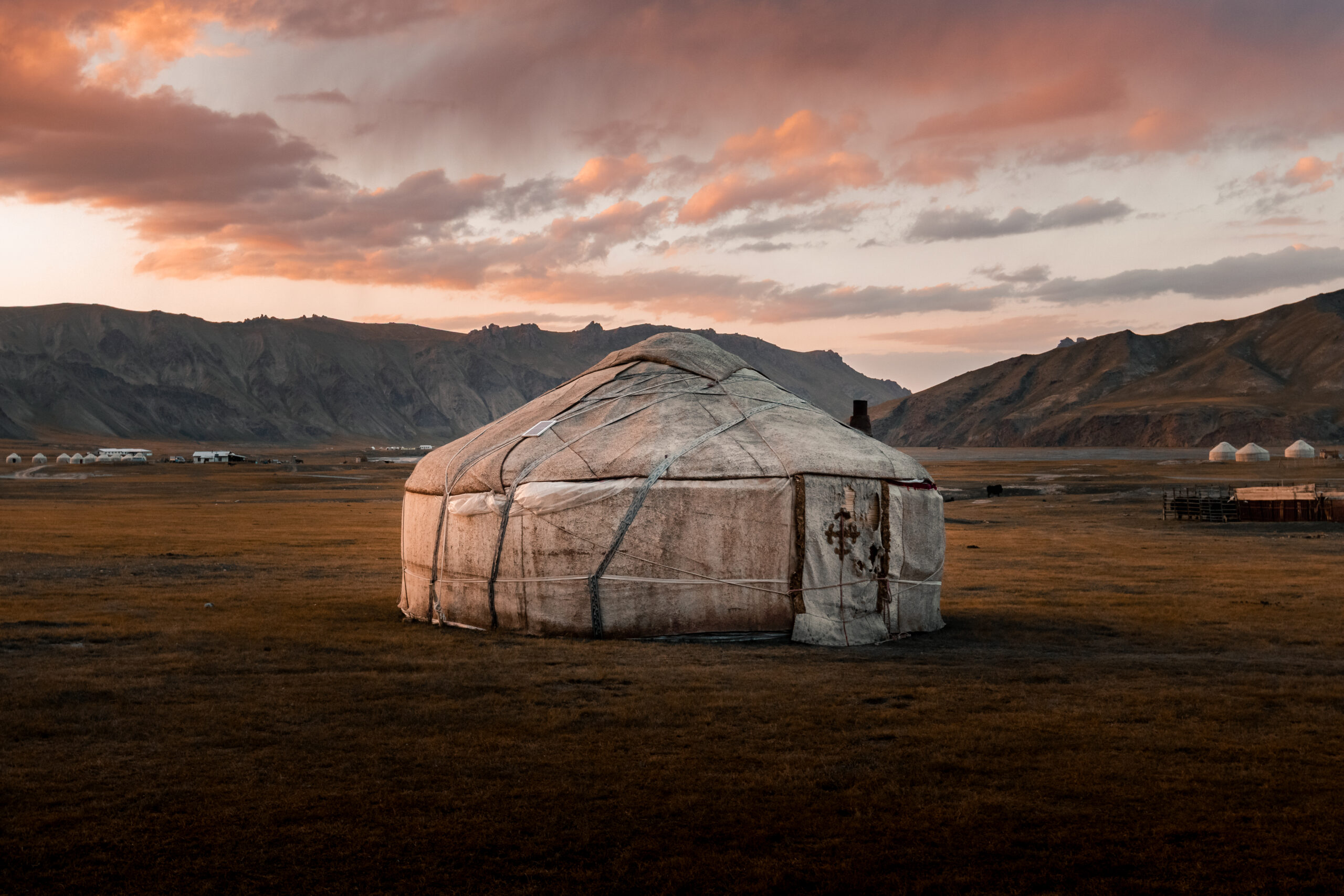
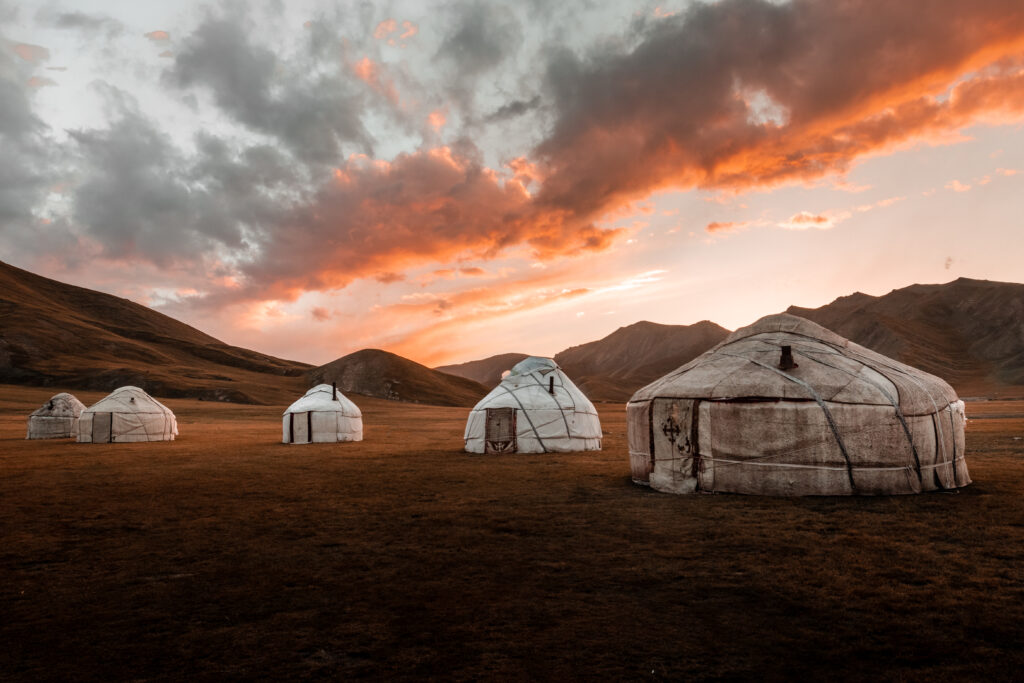 Yurt Camp at Kok-Kiya Valley
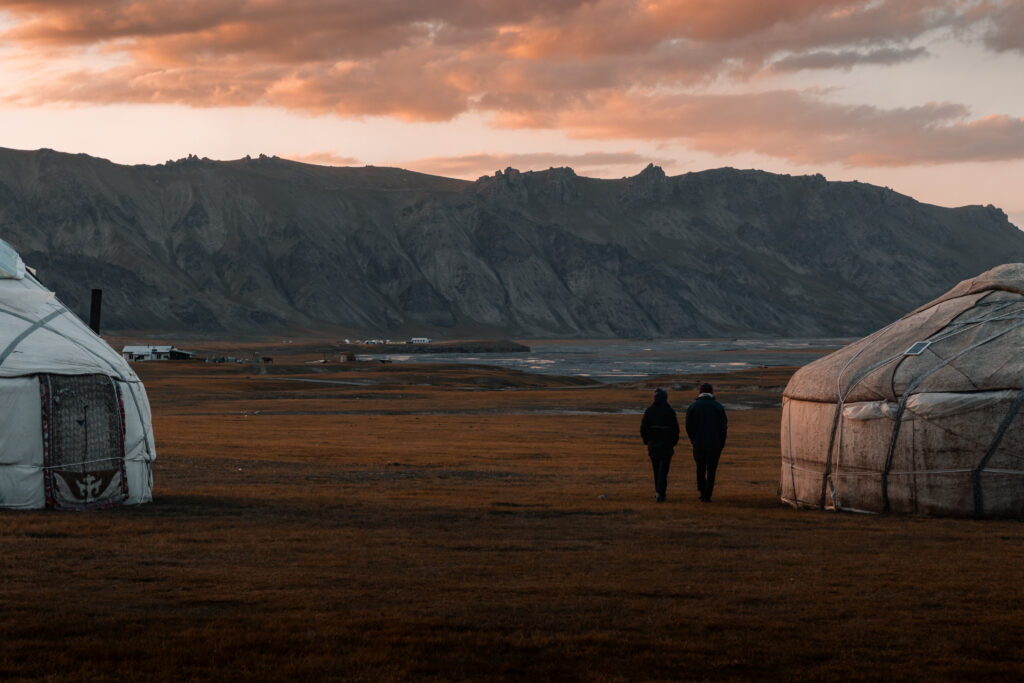 Yurt Camp at Kok-Kiya Valley
Trekking to Kel-Suu Lake in Kok-Kiya Valley
Kok-Kiya Valley is a high-altitude summer pasture that sits at the heart of this trek, and it’s worth treating as a destination in itself rather than just the staging point for Kel-Suu. The valley stretches across a wide alpine basin at around 3,000 metres, with nomadic families setting up yurt camps here each summer and horses grazing across the open meadows. Most visitors spend one night in the valley, but if your schedule allows, two nights gives you time to explore beyond the lake trail and take in the valley at a slower pace. The combination of Kok-Kiya Valley and Kel-Suu Lake is what makes this corner of Kyrgyzstan genuinely special, either one alone would be worth the journey.
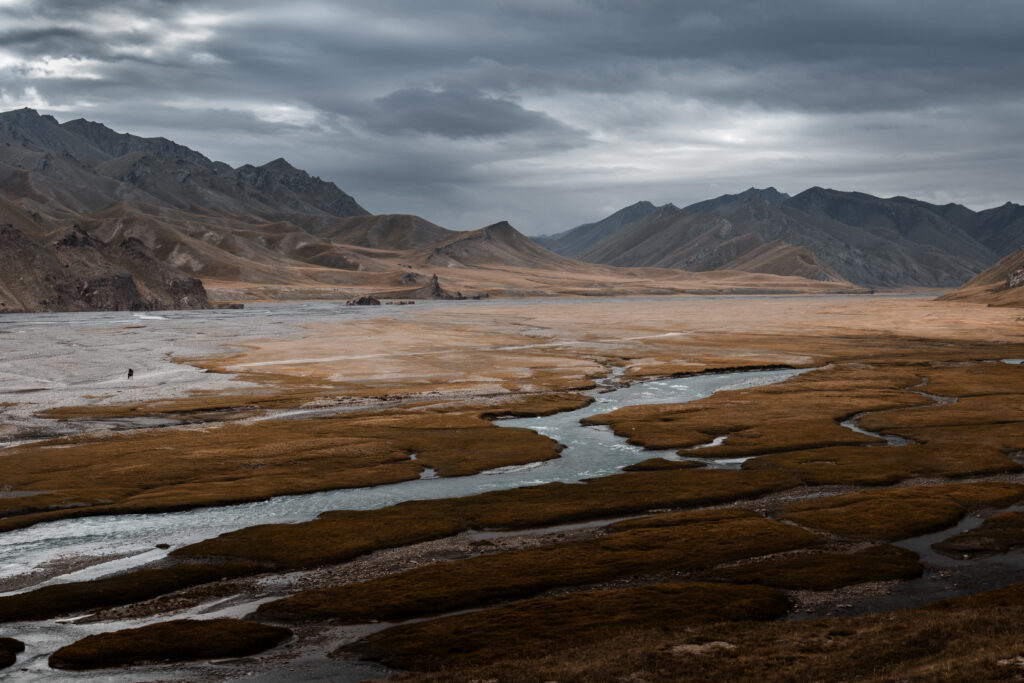 Kok-Kiya Valley dramatic landscapes
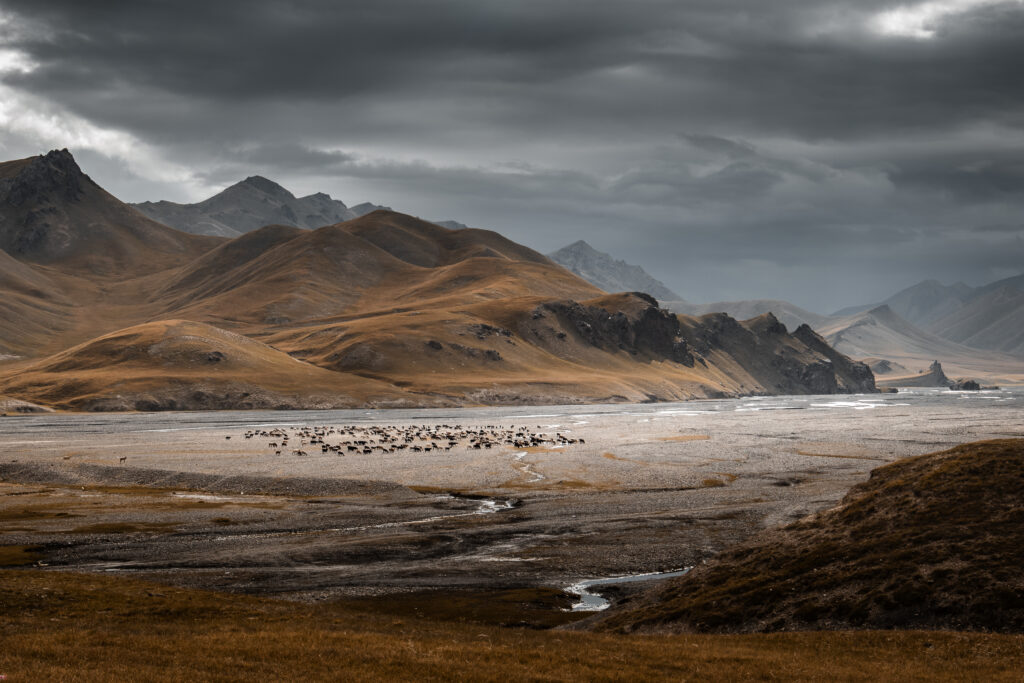 Sheep grazing at Kok-Kiya Valley
Trekking to Kel-Suu Lake in Kyrgyzstan is a spectacular and relatively short adventure after basing yourself in the Kok-Kiya Valley yurt camps. You can spend a night or two in the valley, then hike 2-3 hours to the lake, making it possible to do a full day trip to Kel-Suu without carrying heavy camping gear.
Day 1: Arrival at Kok-Kiya Valley Yurt Camps
After the 6-hour 4×4 drive from Naryn, you’ll arrive at the yurt camps in the Kok-Kiya Valley. Spend the afternoon relaxing, exploring nearby pastures, and preparing for the hike to Kel-Suu Lake the following day. The valley is serene, with grazing horses and distant peaks creating the perfect high-altitude atmosphere.
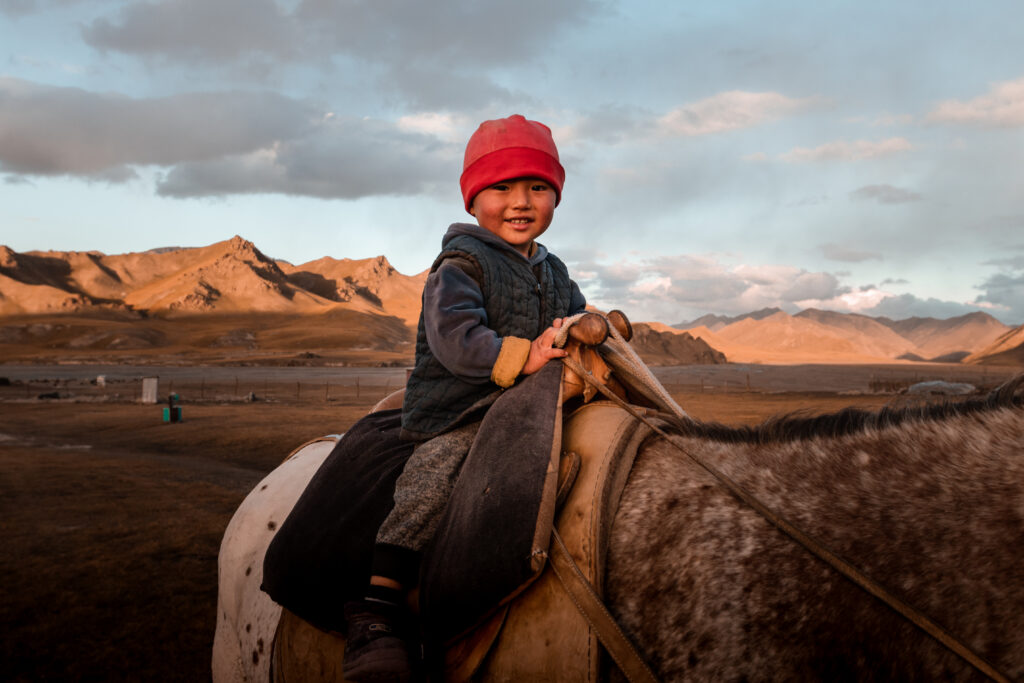 Local child learning how to ride a horse at yurt camp
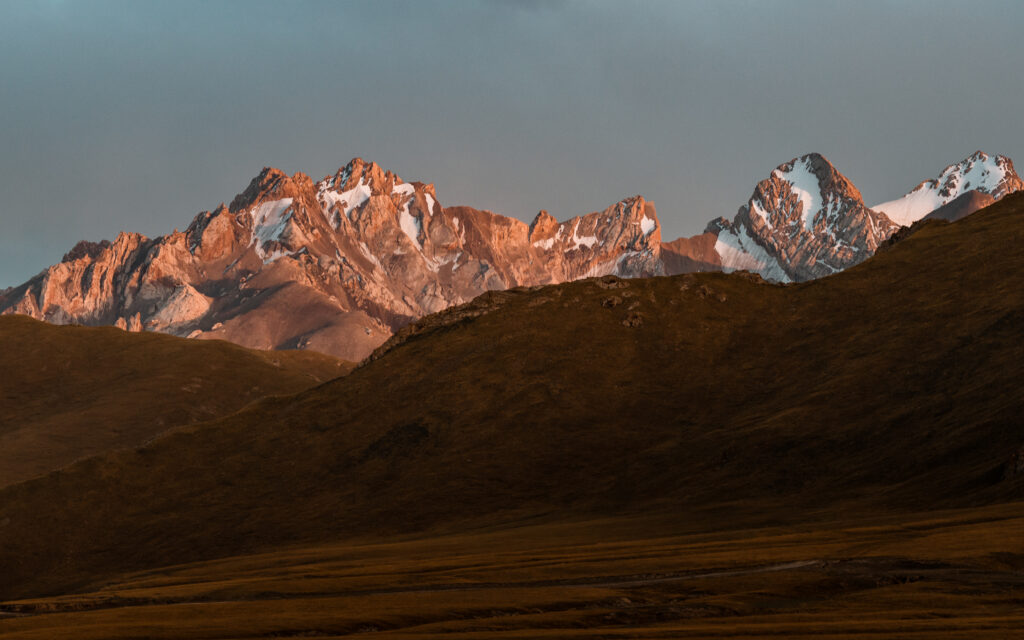 Kok-Kiya Valley at sunset
Day 2: Day Hike to Kel-Suu Lake
From the yurt camp, the trail climbs gently through the upper valley, following small streams and open meadows. The hike is short but scenic, with panoramic views of the surrounding peaks and the wide alpine landscapes of the Kok-Kiya Valley.
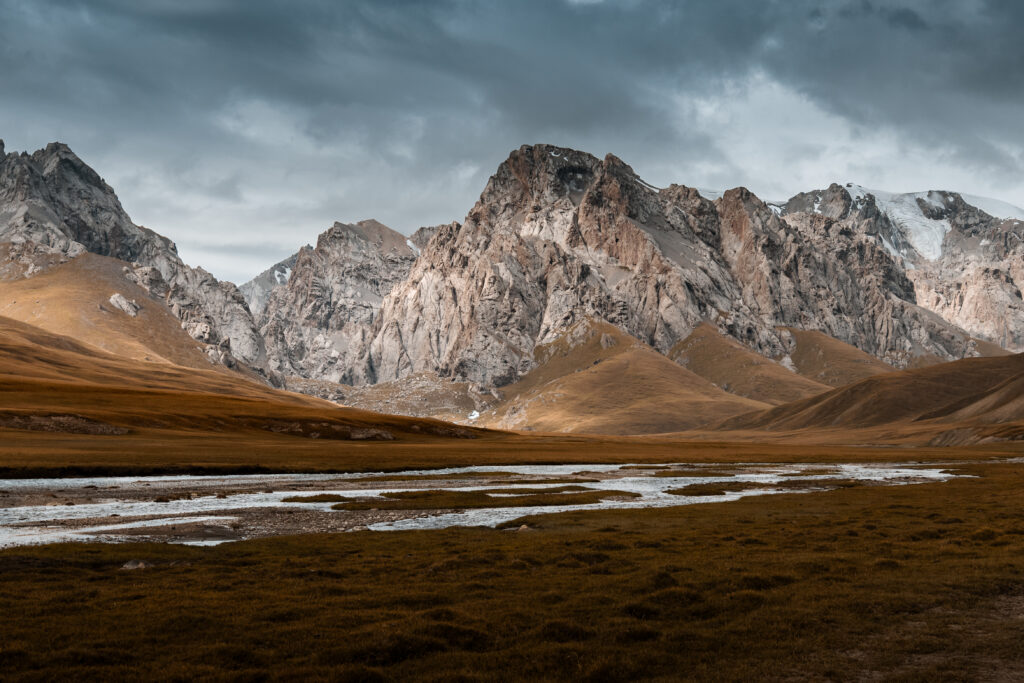 Trekking through Kok-Kiya Valley
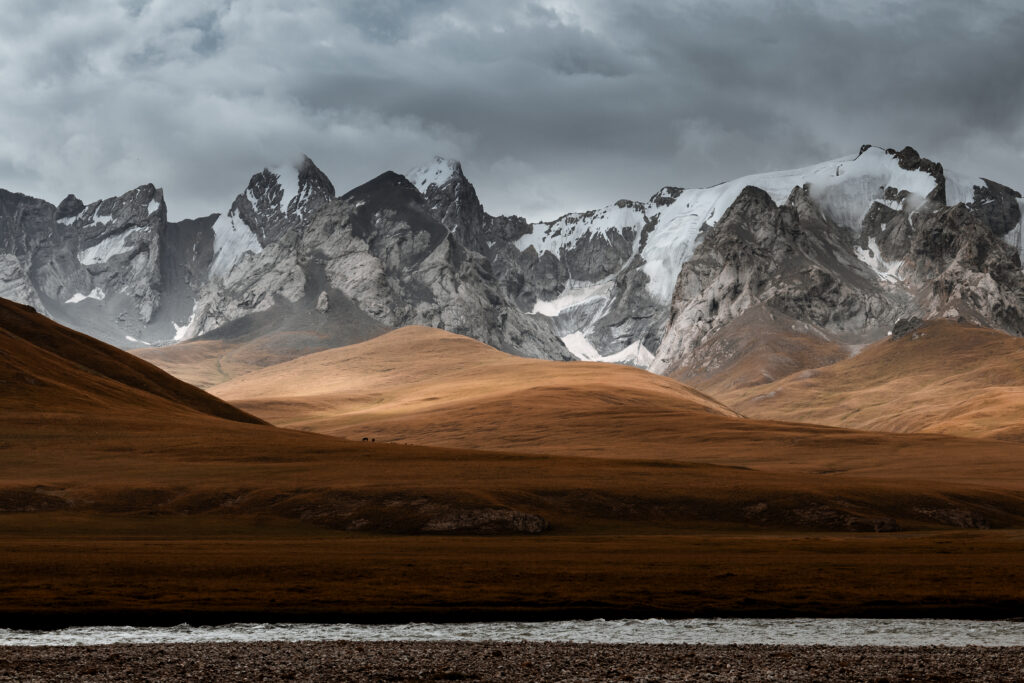 Trekking through Kok-Kiya Valley
As you approach Kel-Suu Lake, the turquoise water suddenly appears beneath towering cliffs and jagged mountain peaks, creating one of the most dramatic landscapes in Kyrgyzstan. The lake itself was formed relatively recently by a massive landslide that blocked the valley, creating a natural dam that allowed the glacial water to accumulate. Over time, this formed the long, narrow lake we see today, enclosed by steep rock walls on both sides.
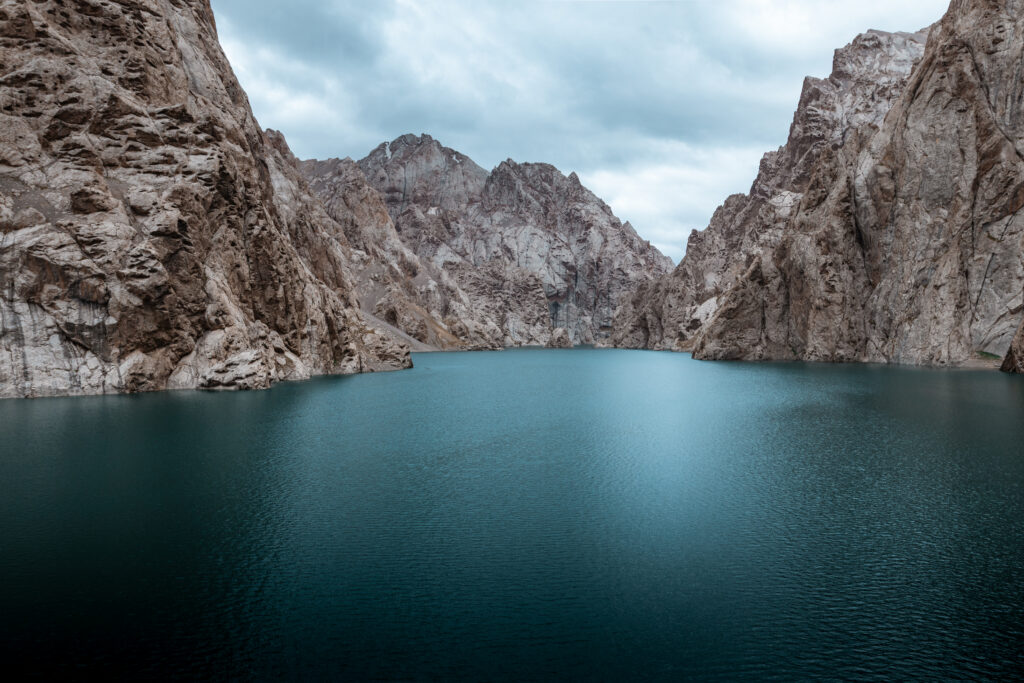
The Boat Ride on Kel-Suu Lake
One of the most unique experiences at Kel-Suu is taking a small boat deeper into the lake. Locals offer short boat rides that allow you to float through the narrow canyon-like sections of the lake, surrounded by towering rock formations and reflected turquoise water. Drifting quietly between the giant jagged peaks is an unforgettable experience and gives you a completely different perspective of the landscape than what you see from the shore.
The boat ride is not part of any organised tour. It’s arranged informally on the spot with the local families who live near the lake during summer. Prices are negotiated directly; ask at your yurt camp the evening before so you have an idea of the current rate.
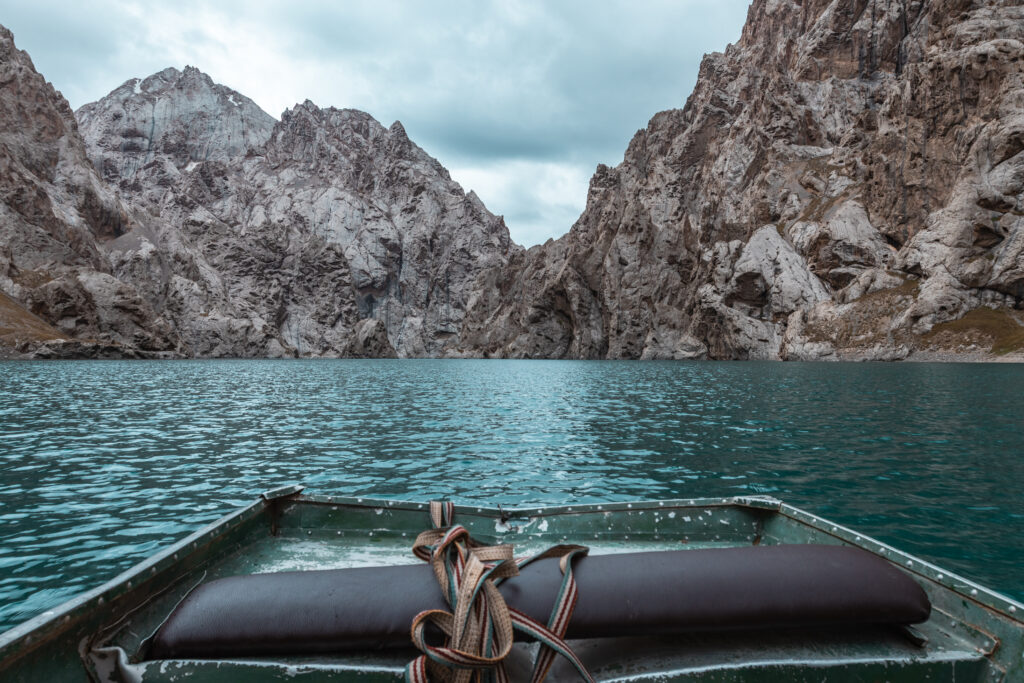 Boat ride in Kel-Suu
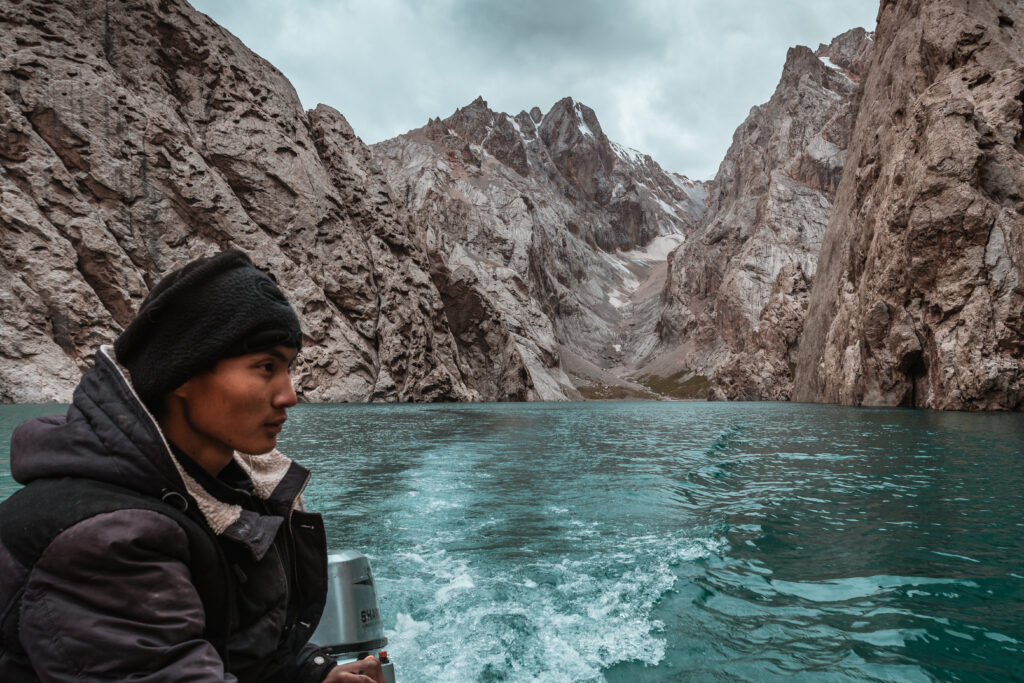 Boat ride in Kel-Suu
Spend some time walking along the lakeshore, exploring the surrounding viewpoints, and soaking in the silence of this remote alpine setting before returning to the yurt camp in the afternoon.
Can You Visit Kel-Suu Lake Without a Guide?
Yes, visiting Kel-Suu Lake and the Kok-Kiya Valley can easily be done independently, and many travellers explore the area without joining an organised tour. Once you reach the yurt camps in the Kok-Kiya Valley, the hike to Kel-Suu Lake is straightforward and only takes 2-3 hours each way. The valley is wide and open, making navigation fairly simple, especially if you have offline maps downloaded on Maps.me or a similar GPS app.
However, the main challenge of visiting Kel-Suu isn’t the hike itself but the logistics of getting there. Because the valley lies in a restricted border area near China, you must obtain a special permit, and the rough mountain road means you’ll need to arrange a 4×4 vehicle from Naryn to reach the valley.
If you’re comfortable organising transport, obtaining permits, and navigating simple mountain trails, visiting Kel-Suu independently is very manageable. That said, travellers who prefer a more organised experience can easily book a tour or guide through CBT offices, which can arrange permits, transport, accommodation in yurt camps, and even horseback rides to the lake. You can also organise these horseback rides independently at your yurt camp in Kok-Kiya valley.
In short, Kel-Suu Lake is one of the most remote but still accessible adventures in Kyrgyzstan, making it perfect for independent travellers who enjoy exploring beyond the usual tourist routes.
How Much Does It Cost to Visit Kel-Suu Lake?
Visiting Kel-Suu independently is affordable by trekking standards, but the 4×4 transport is the one cost you can’t avoid. Here’s a full breakdown of what to budget.
| Expense | Approximate Cost |
|---|---|
| Marshrutka Bishkek → Naryn | 400-600 KGS |
| Marshrutka Karakol → Naryn | 400-600 KGS |
| 4×4 Naryn → Kok-Kiya Valley, return (per car) | ~$140 USD |
| 4×4 cost if shared between 4 people | ~$35 USD per person |
| Border zone permit (via CBT Naryn) | ~$10 USD |
| Yurt camp per night, dinner + breakfast | ~1,600 KGS+ |
| Boat ride on Kel-Suu Lake | ~1,500 KGS – Ask at the yurt camp |
| Snacks and supplies (per day) | 200-400 KGS |
The 4×4 is priced per vehicle, so finding other travellers to share with is the single biggest way to cut costs. Your guesthouse or the CBT office in Naryn can usually help match you with other people heading the same way.
The border permit costs around $10 USD and is arranged through the CBT office in Naryn. It can take a couple of days to process, so contact them in advance by email or WhatsApp before you arrive. Without it, you won’t get past the military checkpoint on the road to Kok-Kiya Valley.
Note: Yurt camp prices were around 1,600 KGS per night in 2022 but they have likely increased since. Confirm current rates with CBT Naryn when you arrange your permit and transport.
Cash is King: There are no payment facilities in the mountains. Ensure you withdraw enough KGS in Naryn using a Wise or Revolut card to avoid high bank fees.
Avoid ATM fees with Wise
The card I use for all my travel withdrawals – real exchange rate, low fees.
Use Revolut to avoid ATM fees
Good alternative to Wise – I carry both as a backup.
Frequently Asked Questions About Kel-Suu Lake
Do I need a permit to visit Kel-Suu Lake? Yes. The Kok-Kiya Valley sits in a restricted border zone near China, and a special permit is required to enter the area. The permit is arranged through the CBT office in Naryn and costs around $10 USD. Check above on how to get it.
How do I get to Kel-Suu Lake from Naryn? The only way to reach Kok-Kiya Valley from Naryn is by 4×4. The road is entirely off-road and the journey takes around 6 hours each way. You can arrange a vehicle and driver through the CBT office or your guesthouse in Naryn.
Can I visit Kel-Suu Lake without a guide? Yes. Once you reach the yurt camps in Kok-Kiya Valley, the hike to Kel-Suu Lake is straightforward. Download offline maps on Maps.me before leaving Naryn as there is no mobile signal in the valley.
How long does it take to hike to Kel-Suu Lake? The hike from the yurt camps in Kok-Kiya Valley to Kel-Suu Lake takes around 2 to 3 hours each way, covering roughly 9km one way with minimal elevation gain until the final steeper section before the lake.
Is there a boat ride at Kel-Suu Lake? Yes, and it’s one of the highlights of the visit. Local families at the lake offer short boat rides that take you into the narrow canyon sections of Kel-Suu, where the turquoise water is enclosed by sheer rock walls on both sides.
When is the best time to visit Kel-Suu Lake? Mid-June to mid-September, when the mountain road is passable and the yurt camps in Kok-Kiya Valley are open for the season. July and August offer the most stable weather and the best conditions for photography.
What should I pack for the Kel-Suu trek? You don’t need to carry camping gear if you’re staying in the yurt camps, but bring warm layers for cold nights at altitude, a water filter or purification tablets for refilling from streams, snacks and lunch food for the day hike, sunscreen, and offline maps downloaded before you leave Naryn.
Final Thoughts
Visiting Kel-Suu Lake and the Kok-Kiya Valley is one of the most unique experiences you can have in Kyrgyzstan. While the journey requires a bit of effort: organising permits, arranging a 4×4, and travelling deep into the mountains, the reward is a landscape that feels truly wild and untouched.
Unlike some of the more popular destinations in the country, this region still sees very few visitors, which means you can experience its dramatic scenery in almost complete solitude. From the vast alpine pastures of the Kok-Kiya Valley to the surreal turquoise waters of Kel-Suu Lake surrounded by towering rock walls, the entire area feels remote and almost otherworldly.
Spending the night in a traditional yurt camp, sharing meals with local hosts, and hiking through quiet mountain valleys adds another layer to the experience. It’s not just about the scenery, it’s also about slowing down and connecting with the nomadic culture that has shaped this region for centuries.
For travellers looking to explore beyond the usual routes in Kyrgyzstan, Kel-Suu and Kok-Kiya Valley offer a perfect combination of adventure, remoteness, and unforgettable mountain landscapes.
Explore More of Kyrgyzstan
If you’re planning a trip through Kyrgyzstan, there are plenty of other incredible destinations beyond Kel-Suu Lake and the Kok-Kiya Valley. From high alpine lakes to remote trekking routes, the country offers endless opportunities for adventure and independent travel. Here are some other guides to help you plan your journey: