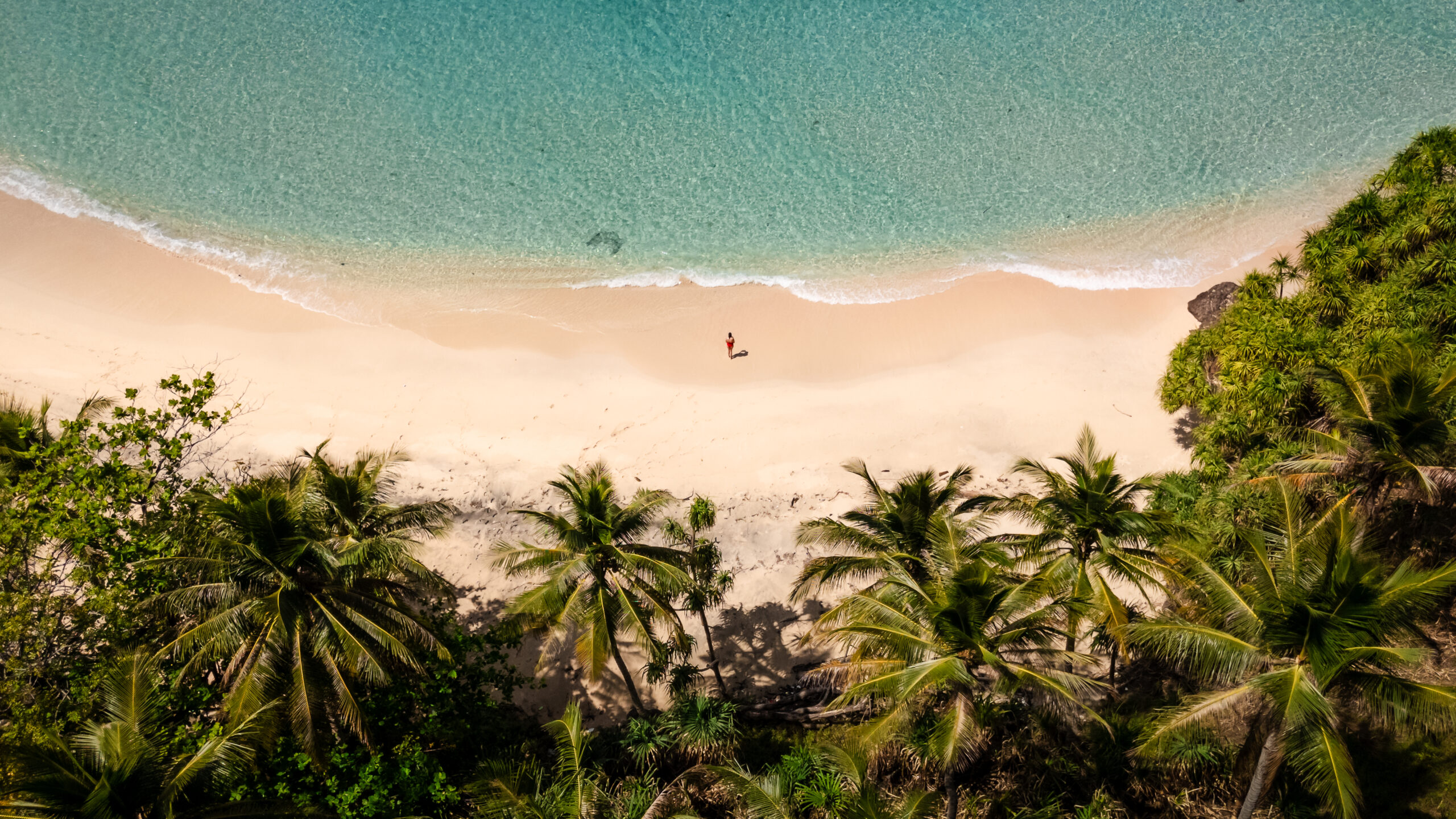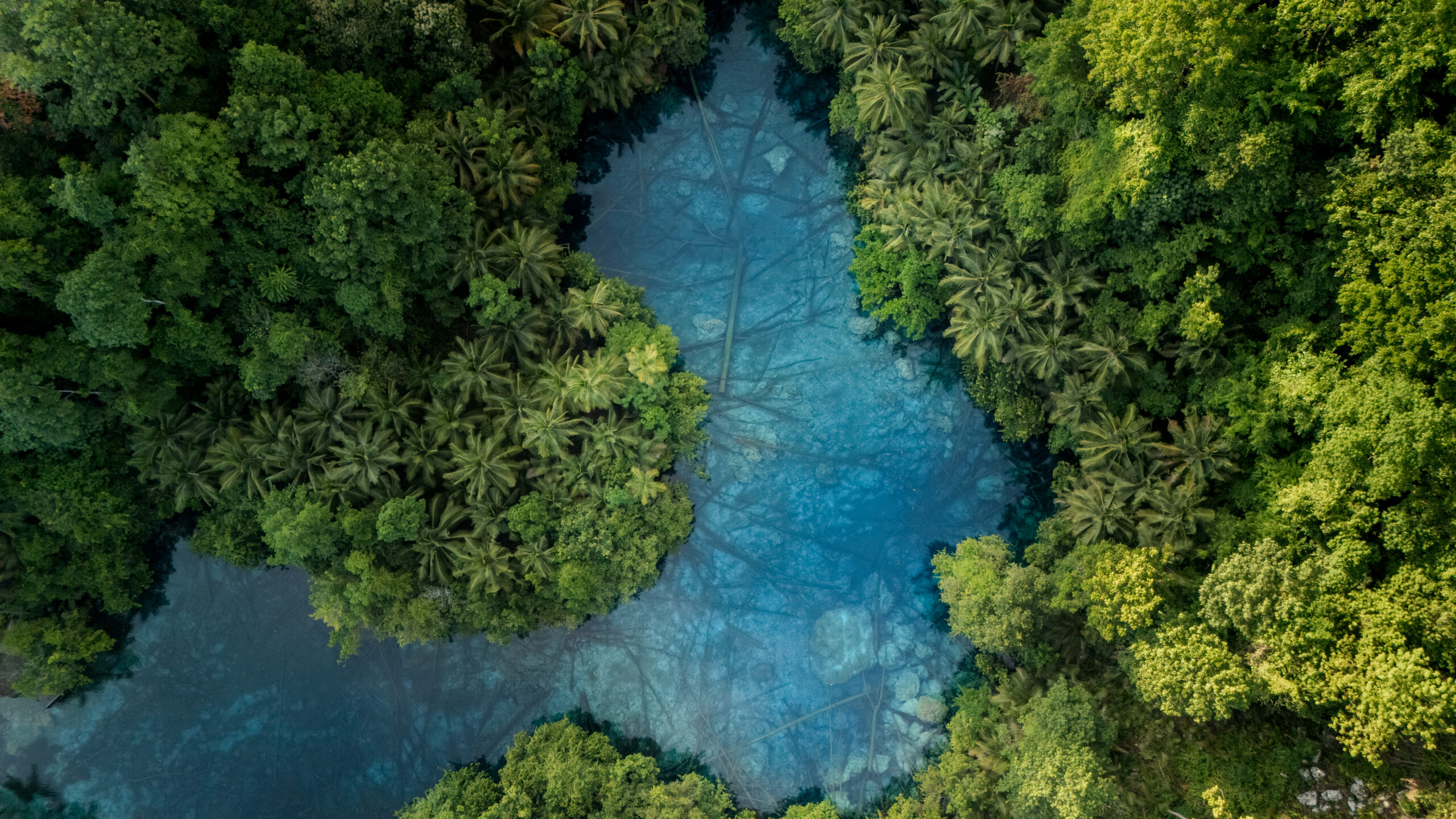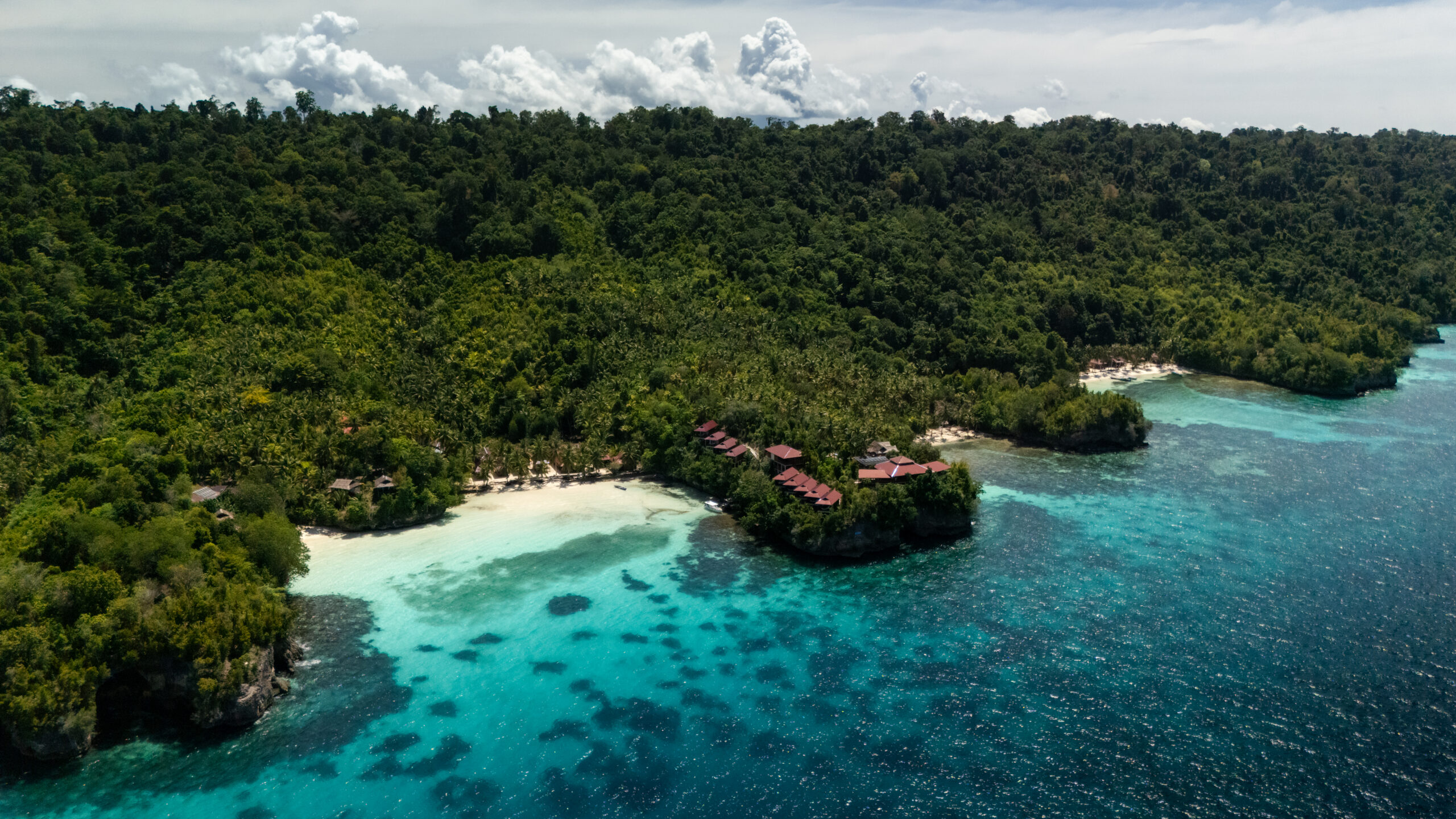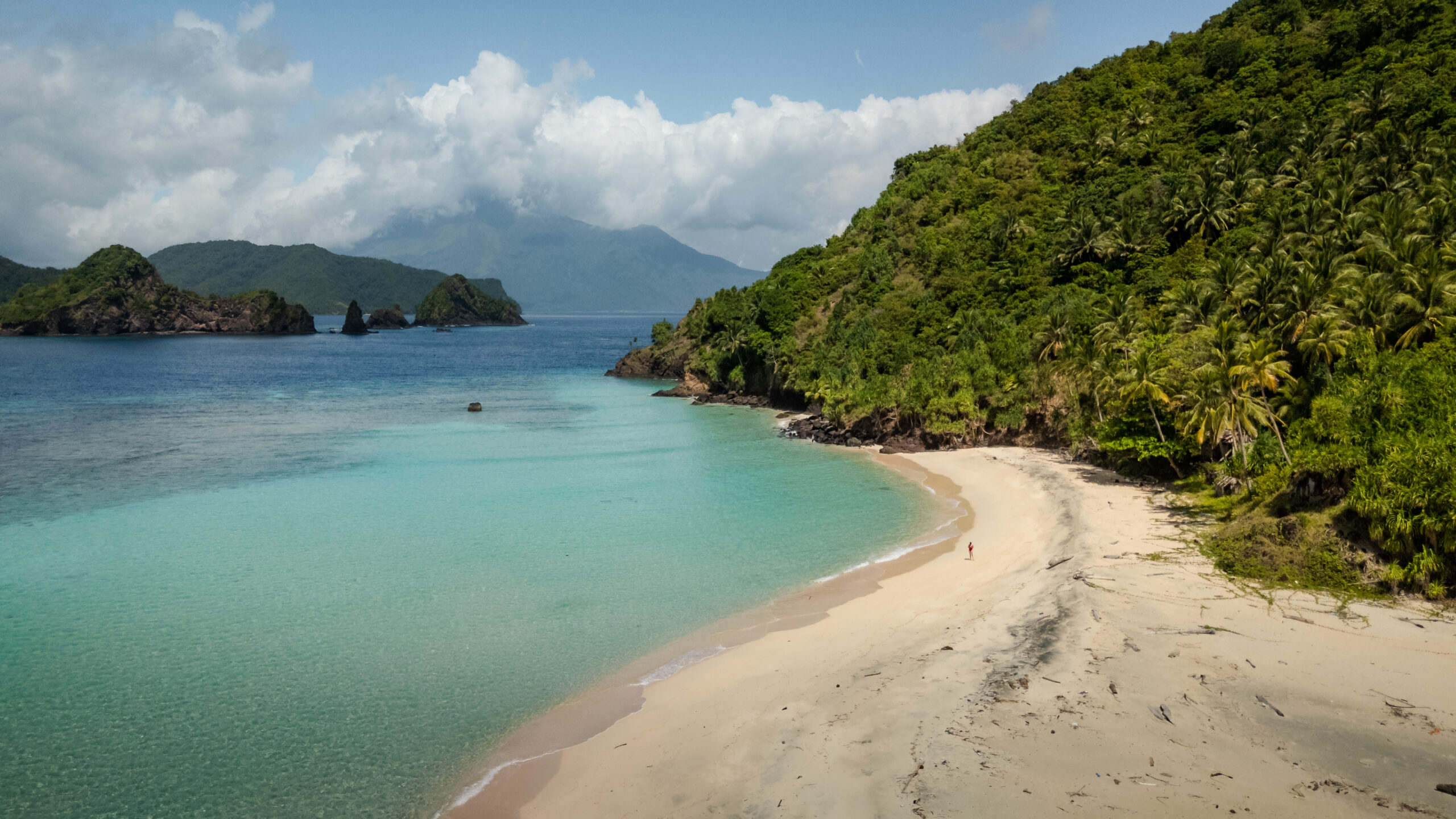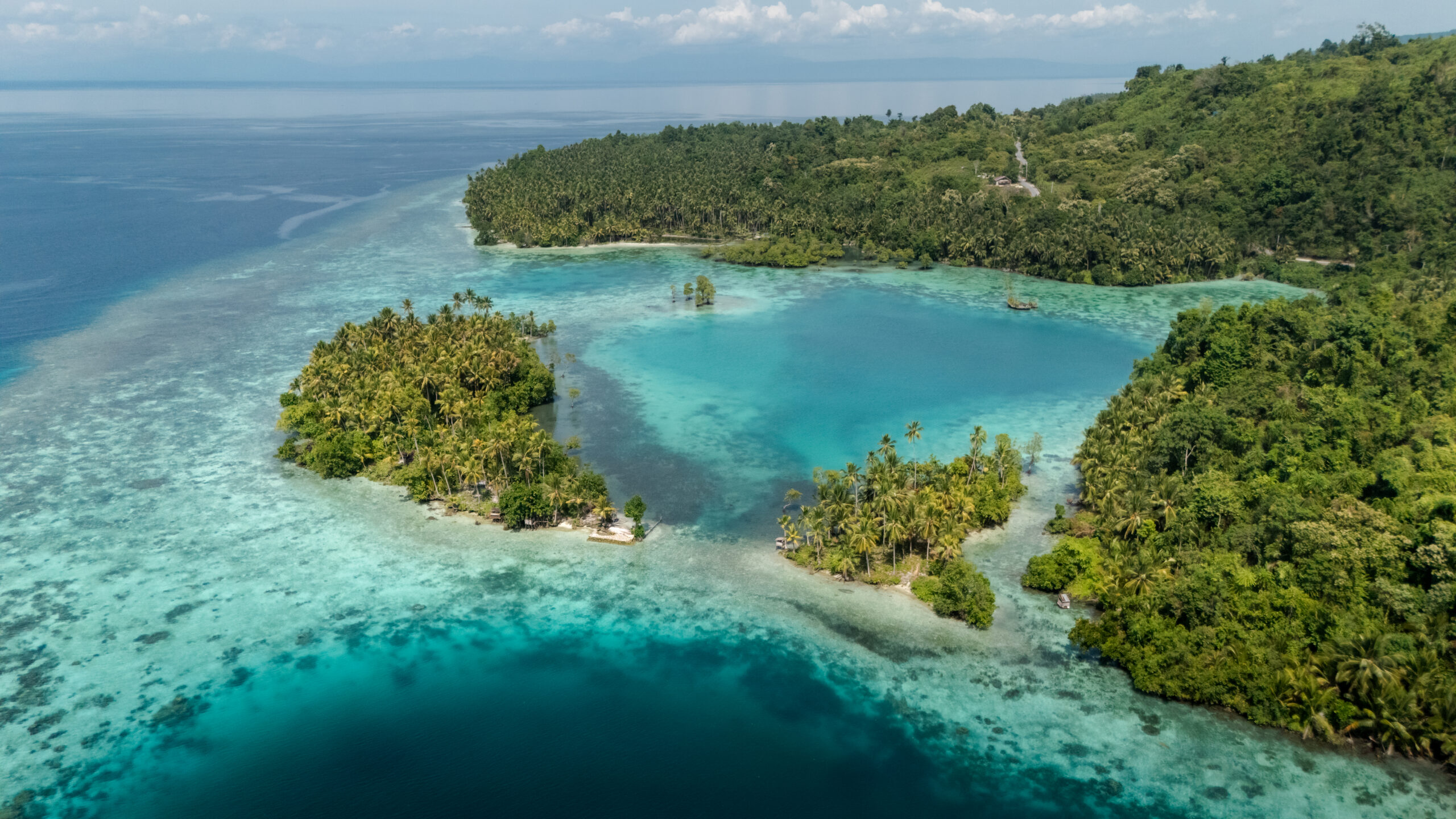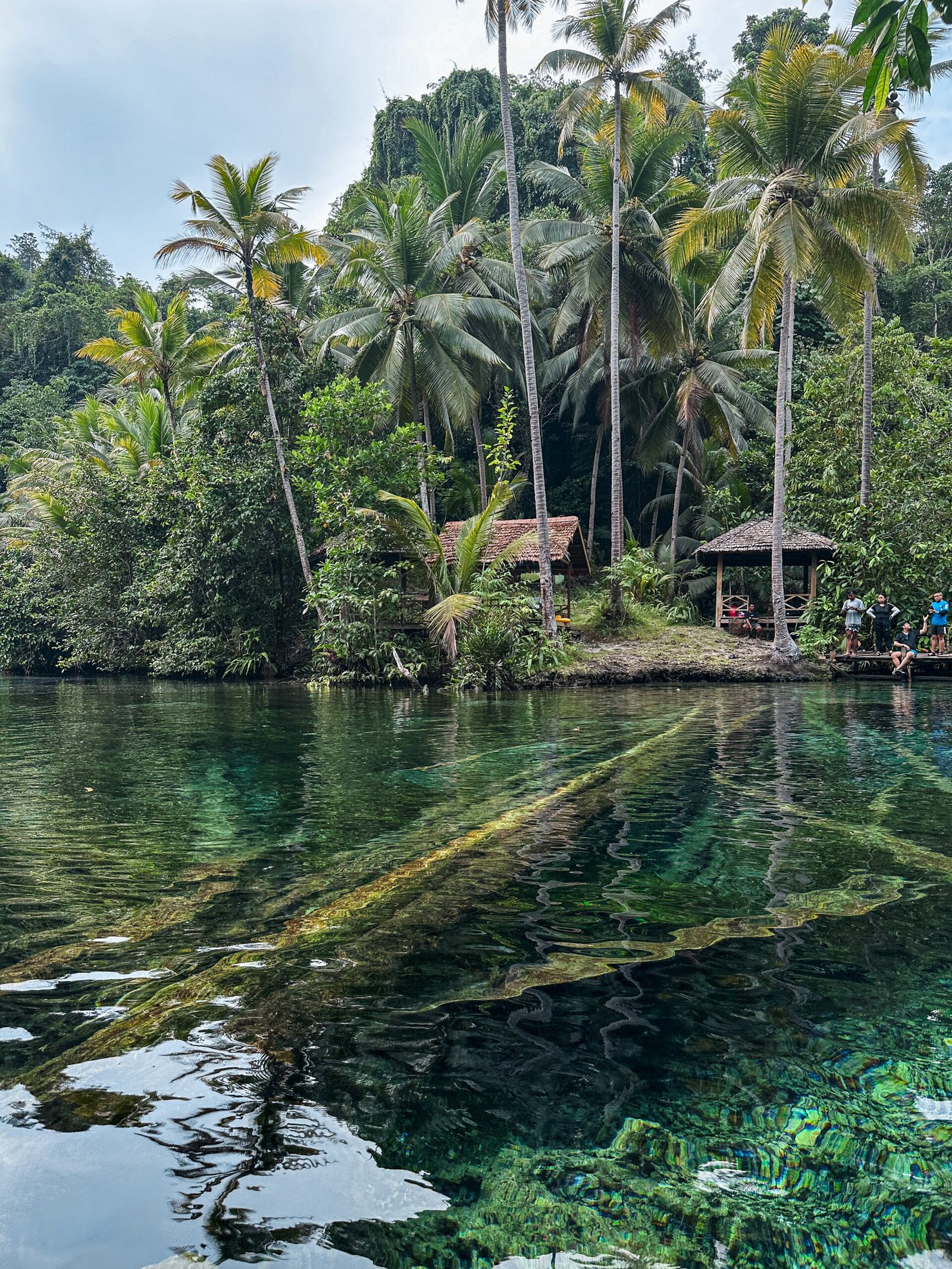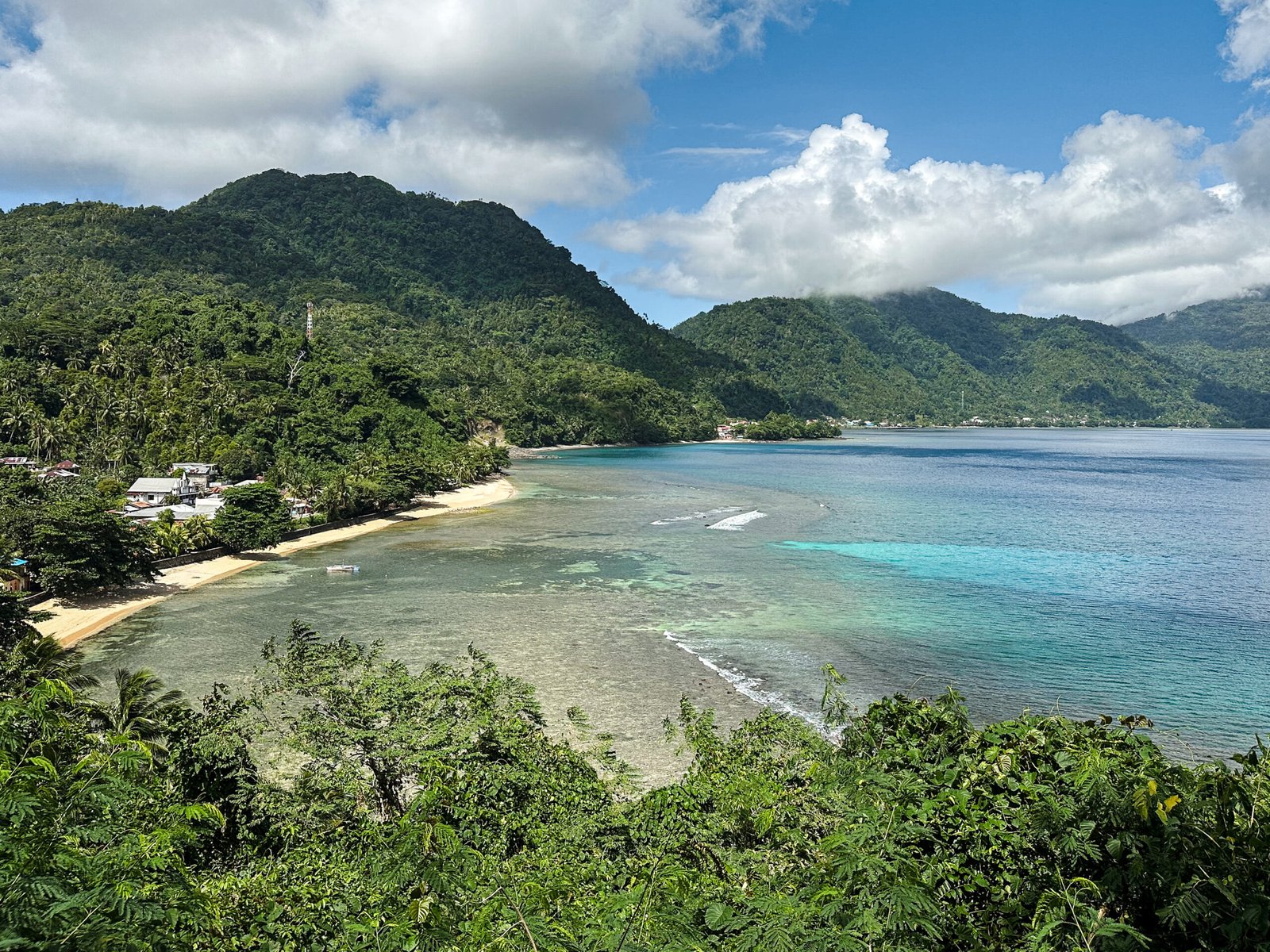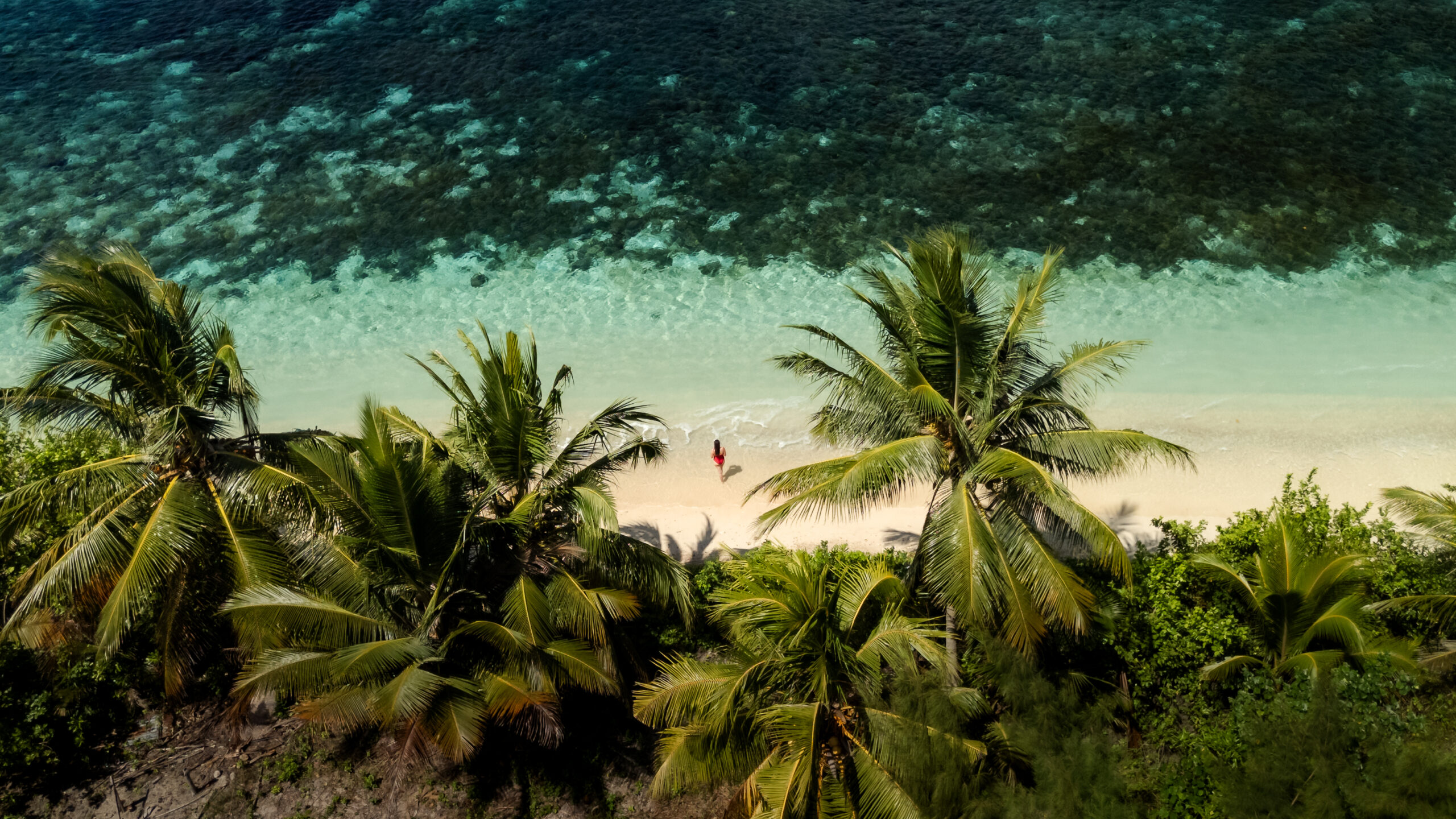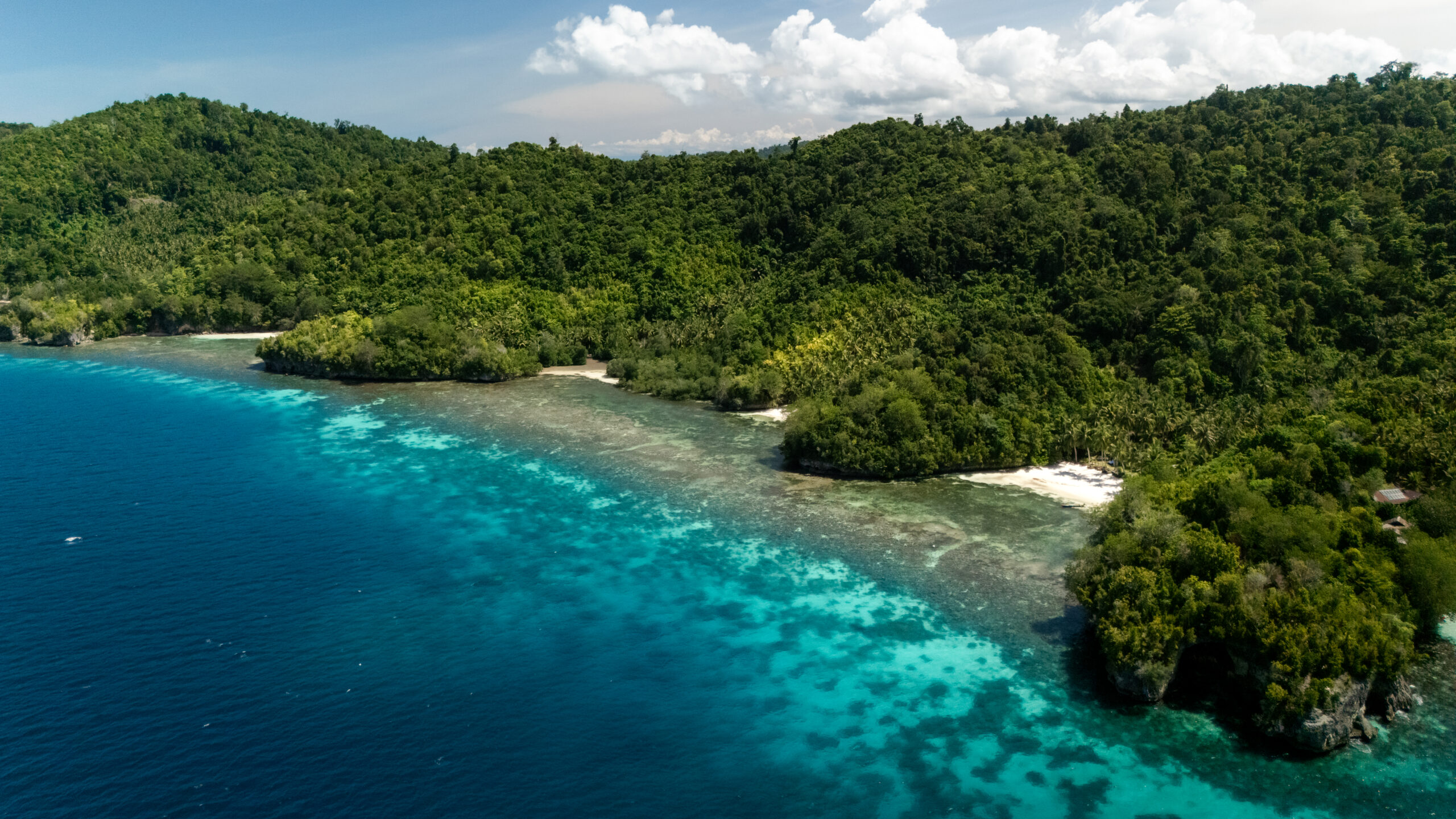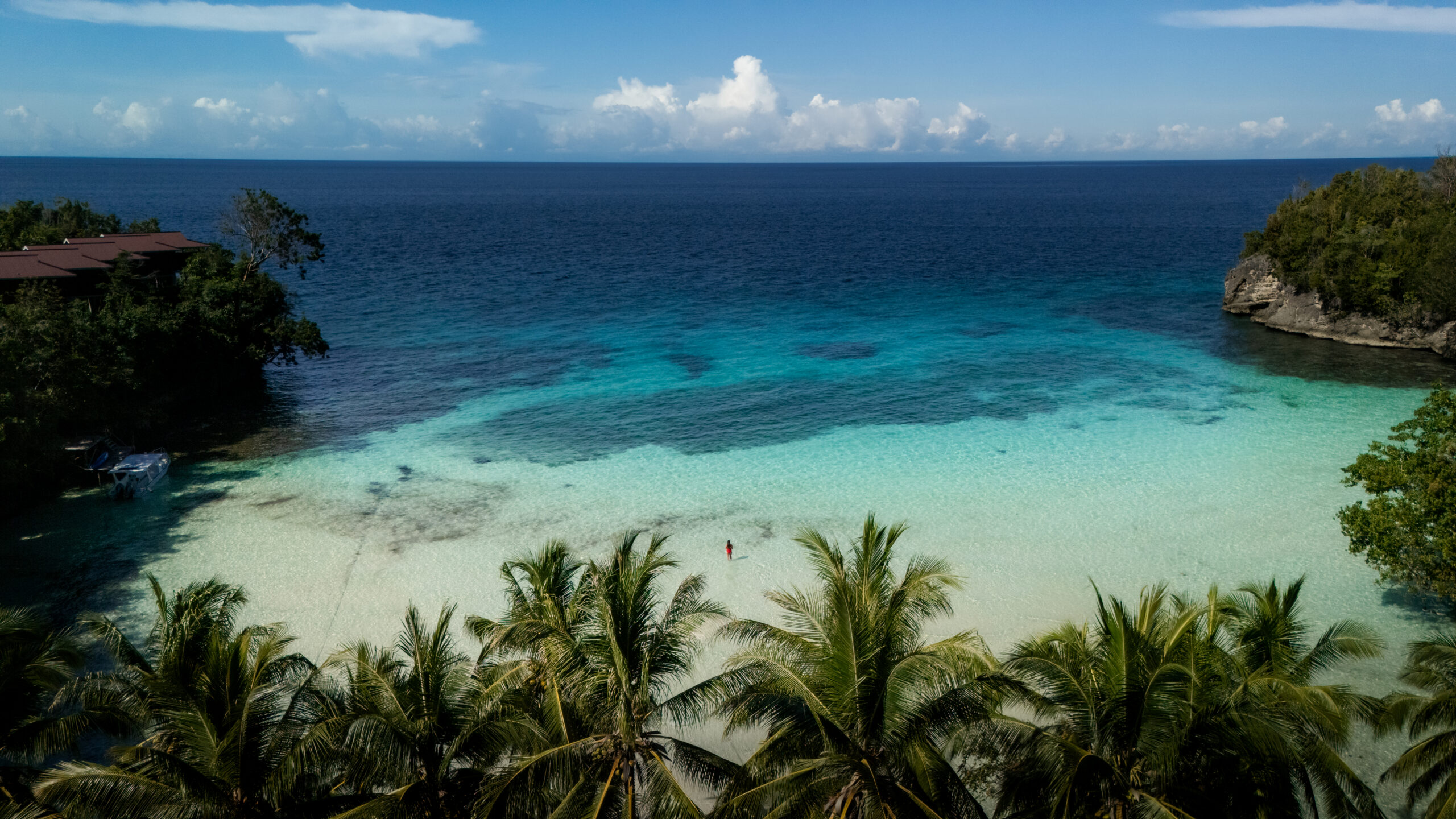
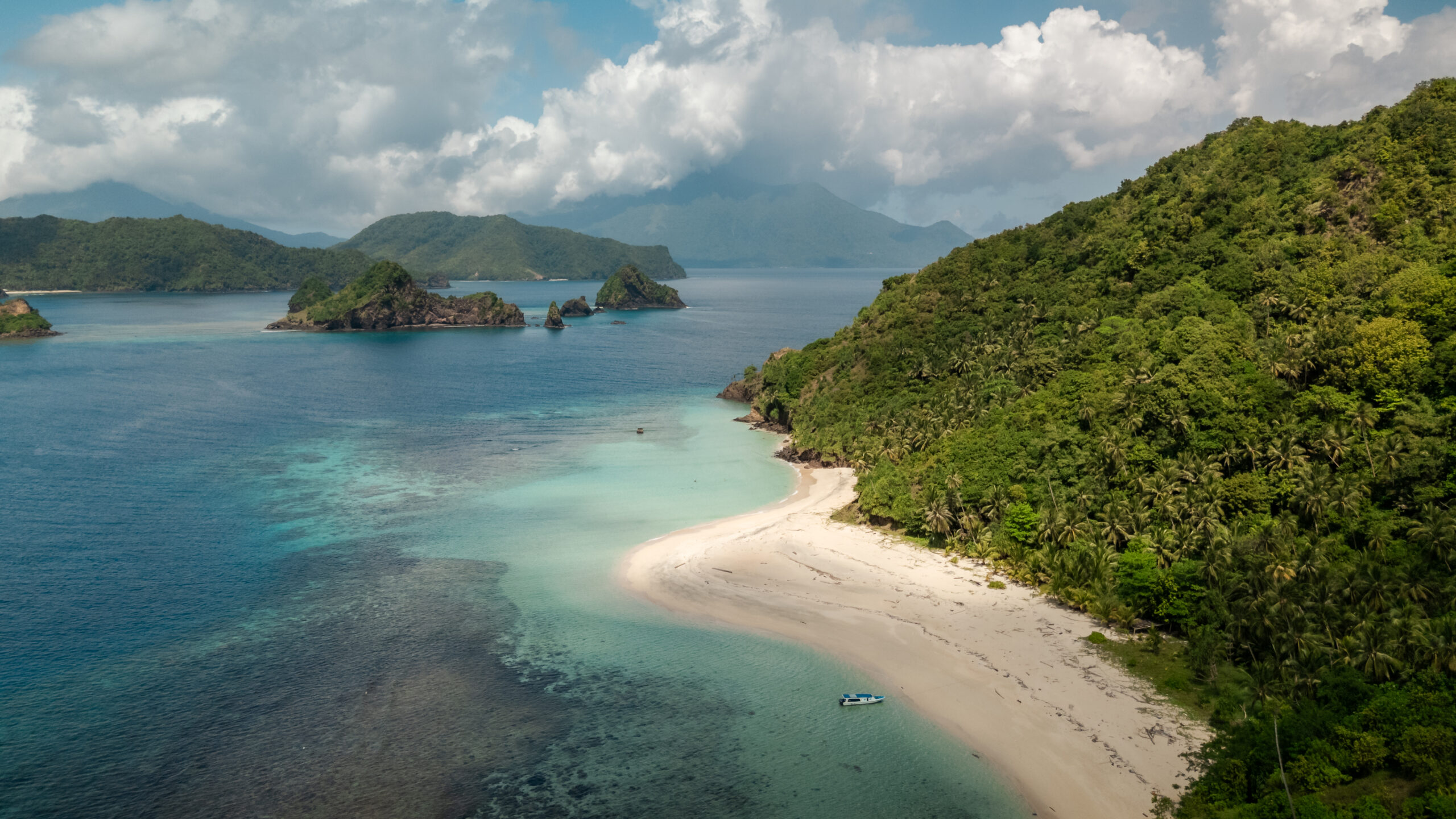
Indonesia is vast. Stretching across more than 17,000 islands, it’s one of the largest and most diverse countries in the world. Yet for many travellers, Indonesia begins and ends with Bali and Java, islands that are firmly on the well-trodden tourist trail.
This blog isn’t about that version of Indonesia. Instead, it focuses on the quieter corners of the country: places where tourism infrastructure is still minimal, crowds are rare, and daily life moves at a slower, more local pace. These are destinations that require a bit more effort to reach, but reward you with raw landscapes, genuine encounters, and a far more authentic experience.
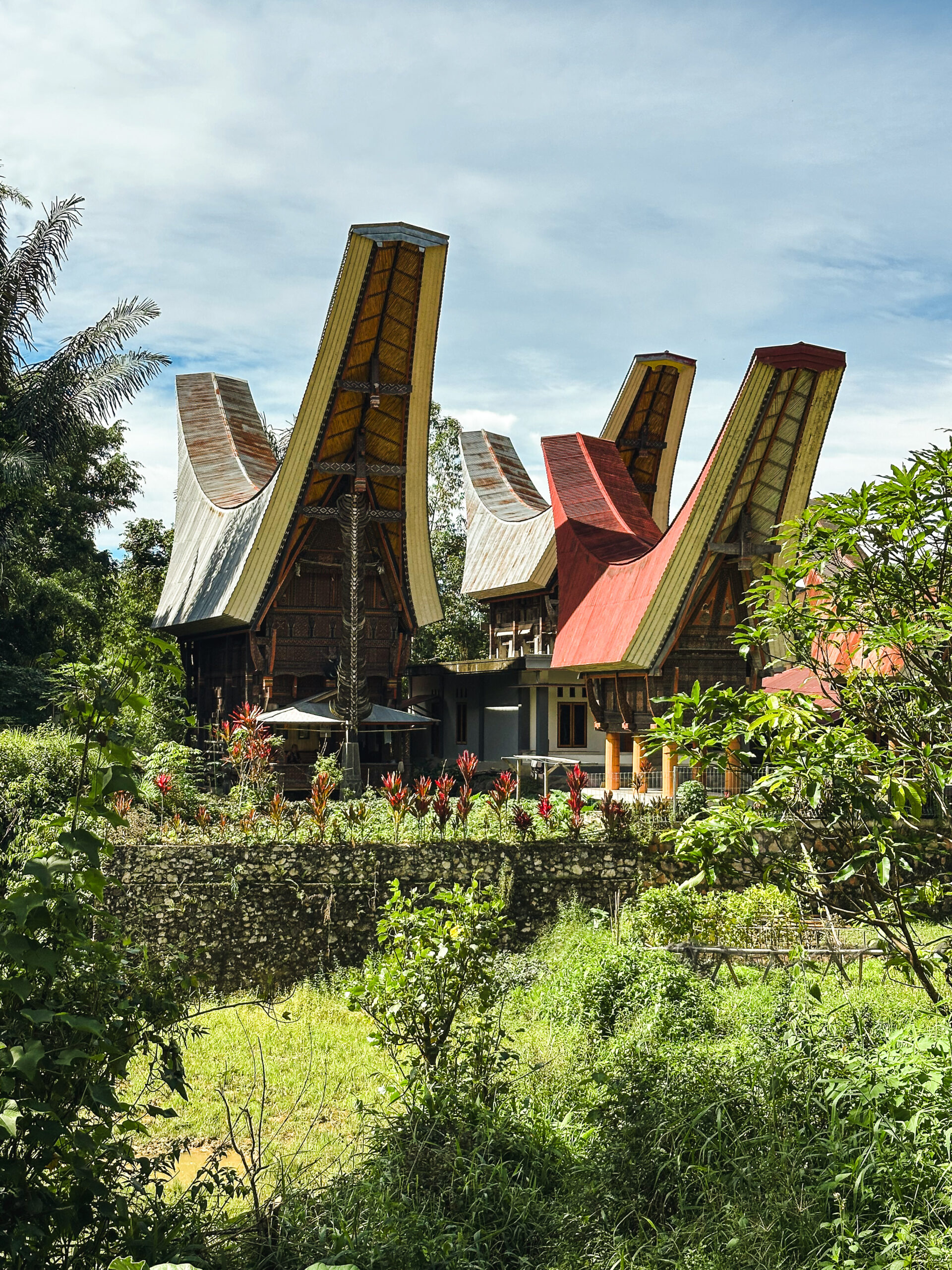
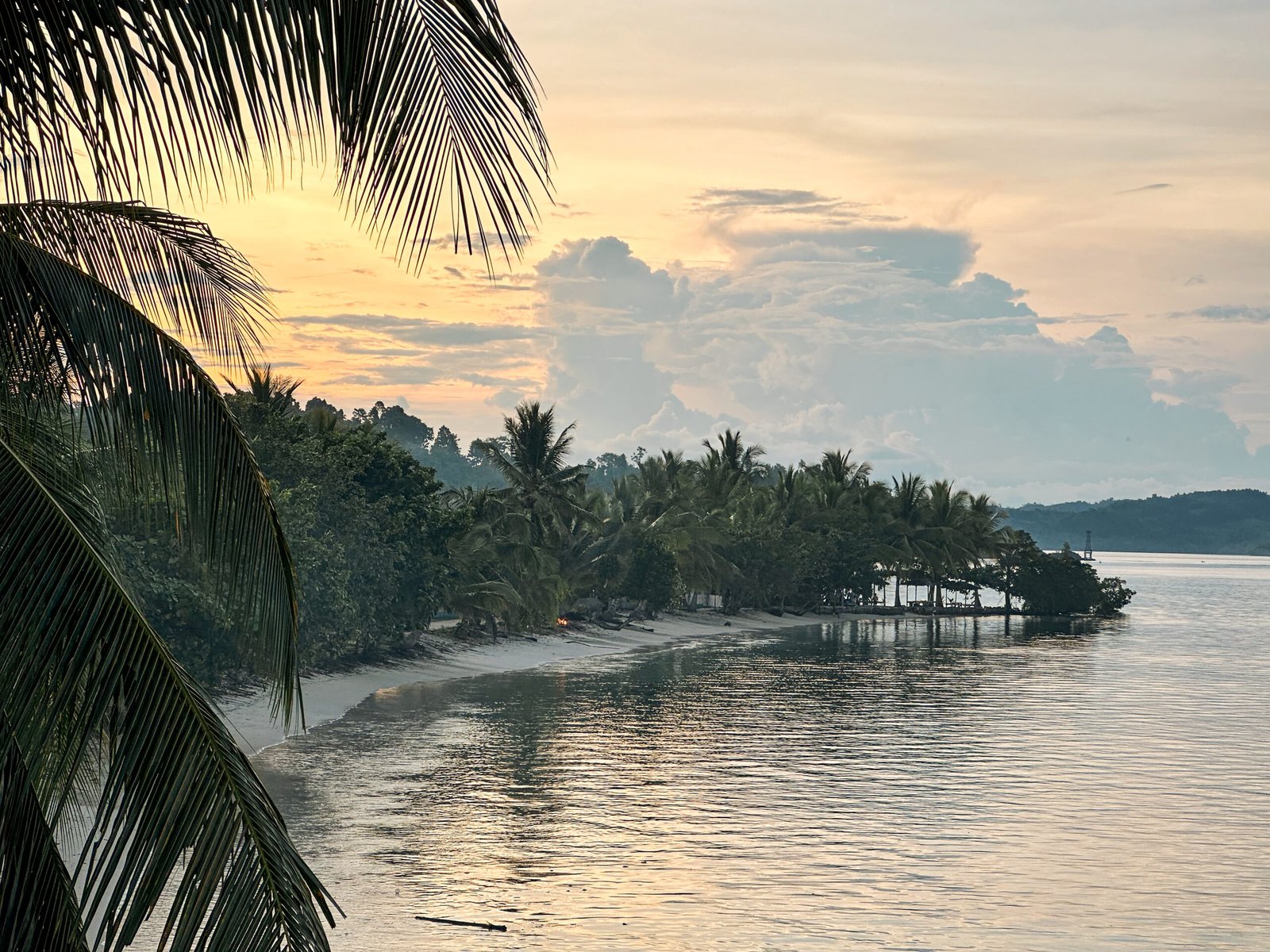
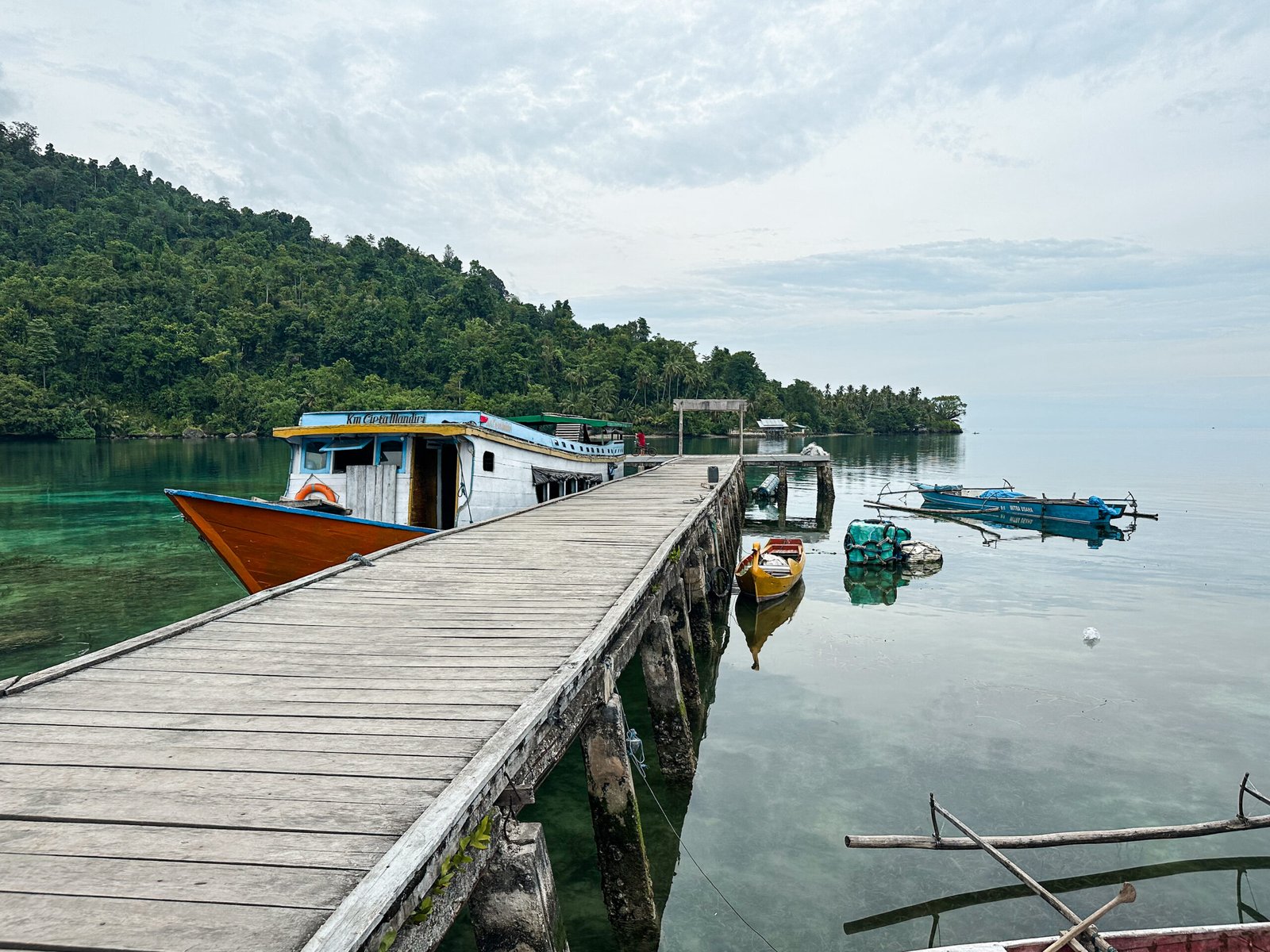
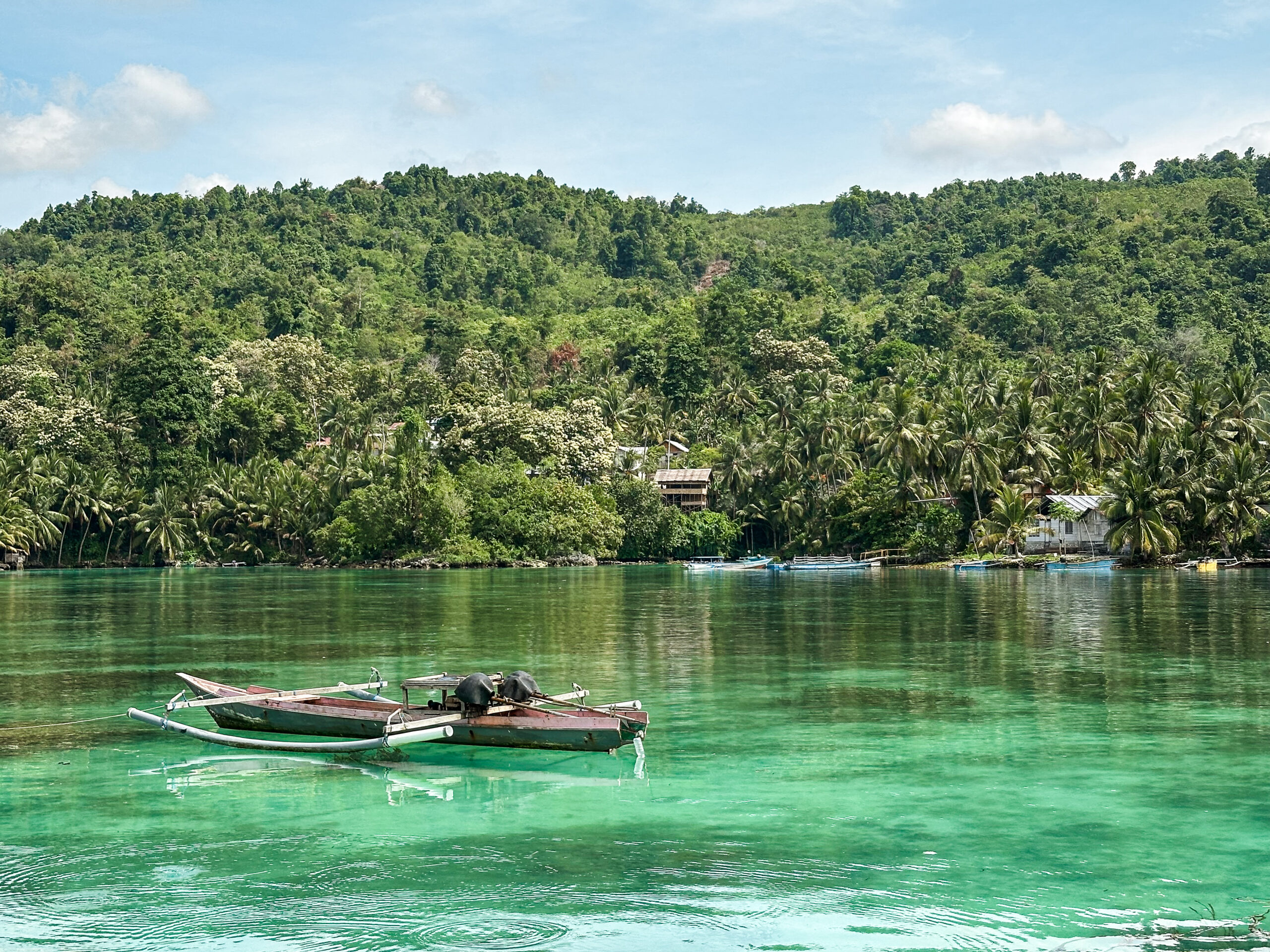
So far, my travels in Indonesia have taken me mainly through Sulawesi, an island known for its dramatic coastlines, remote villages, and incredible marine life. Below, you’ll find all my Indonesia-related posts, travel guides, and practical tips, written for independent travellers who prefer getting off the beaten path.
Visa
Most nationalities can get an e-Visa or Visa on Arrival (VoA) valid for 30 days, which can usually be extended once for another 30 days at an immigration office in major towns.
Quick Facts
Capital: Jakarta
Population: 277 million
Official Language: Bahasa Indonesia
Currency: Indonesian Rupee (IDR)
Area: 1,904,569 km² (14th)
Best Time to Visit
Indonesia is tropical, with a dry season from April to October and a wet season from November to March. The dry months are best for overland travel and remote islands, though shoulder season often means fewer crowds and decent weather.
Highlights in Sulawesi
Transportation
Getting around Indonesia can be time-consuming and requires flexibility. With over 17,000 islands, travel often involves a mix of ferries, boats, buses, shared cars, and domestic flights. While flights are relatively affordable and save time over long distances, travelling overland or by sea is usually cheaper and offers a more local experience.
Budget
Indonesia can be incredibly cheap if you travel locally: simple homestays often include meals, shared cars and boats are budget transport options, and food at warungs is inexpensive. You can realistically travel with a budget of 25€-30€ per day, but that will depend on each islands you’re travelling.
Safety
Indonesia is broadly safe for independent travel. Dress modestly in predominantly Muslim areas, and respect local customs: beach swimwear norms differ from western expectations in many parts.