

I first came to Tbilisi planning to stay a few days. I ended up spending nearly two months here across different trips, and I still keep coming back. This Tbilisi travel guide is based on that time: wandering its backstreets, working from cafés, exploring museums, hiking to viewpoints, and learning how the city really functions beyond a quick weekend visit.
Tbilisi isn’t polished in a conventional European way. It’s chaotic in places, slightly crumbling in others, and full of contrasts. You’ll find ornate balconies hanging over narrow lanes in the Old Town, Soviet-era apartment blocks in residential districts, cutting-edge architecture near the river, and traditional sulphur bathhouses all within walking distance of each other.
But what makes Tbilisi special isn’t just the architecture, it’s the atmosphere. It’s a city where you can drink exceptional natural wine for a few euros, eat khachapuri, watch an opera for a fraction of Western European prices, and hike up to panoramic viewpoints before sunset. It feels creative, slightly rebellious, and surprisingly affordable.
In this guide, I’ll cover the best things to do in Tbilisi, where to stay, how to get around, cultural highlights, food and wine, and practical tips for independent travellers.
Best Time to Visit Tbilisi
The best time to visit Tbilisi is during spring (April to June) and autumn (September to October), when temperatures are warm but comfortable and the city feels lively without being overwhelming. In spring, cafés spill out onto the pavements, parks begin to bloom, and it’s an ideal time for walking through the Old Town or hiking up to viewpoints like Narikala and Mtatsminda. Autumn brings golden light, grape harvest season in nearby Kakheti, and pleasantly mild evenings that are perfect for sitting outside with a glass of Georgian wine.
Summer can be very hot, with temperatures often climbing above 30°C, making sightseeing during the day intense, though the city has a buzzing energy at night. Winter is much quieter and colder, sometimes grey, but still manageable if you’re using Tbilisi as a base for exploring other parts of Georgia. Overall, for a balance of good weather, fewer extremes, and a vibrant atmosphere, late spring and early autumn are the ideal windows to visit.
Getting Around Tbilisi
Tbilisi is a very manageable city to navigate, especially if you’re staying near the centre. Many of the main attractions in the Old Town, Rustaveli Avenue, and nearby neighbourhoods are within walking distance of each other. The city is hilly in parts, but overall it’s easy to explore on foot.
For longer distances, the metro is reliable, cheap, and straightforward to use. There are only two main lines, so it’s difficult to get lost. You’ll need a rechargeable travel card (the Metromoney card), which can be purchased and topped up at metro stations. Buses also run throughout the city and use the same card system.
Taxis are widely available and very affordable. I mostly use Bolt and Yandex Go, both of which work like Uber. The apps make it easy to see prices in advance, avoid haggling, and get around efficiently, particularly if you’re heading to more remote neighbourhoods or travelling late at night.
Overall, transport in Tbilisi is easy and budget-friendly. Between walking, the metro, and ride-hailing apps, getting around is rarely complicated, even for first-time visitors.
What to Do in Tbilisi
Tbilisi isn’t a city of single iconic landmarks. It’s a city of layers. The best way to experience it is neighbourhood by neighbourhood — from crumbling balconies to hilltop fortresses, from Soviet relics to underground wine bars.
Wander Through the Quaint Old Town
Tbilisi’s Old Town is the historic core of the city and the best place to begin exploring. Most of the major landmarks are within walking distance, making it easy to spend half a day simply moving from one site to the next. Start at Metekhi Church, perched dramatically above the Mtkvari River, offering one of the classic views of the city. From there, cross toward Rike Park and walk over the modern Bridge of Peace, whose contemporary design contrasts sharply with the surrounding historic buildings.
Make sure to stop at the whimsical Leaning Clock Tower. Slightly crooked and almost fairytale-like in appearance, it has become one of the city’s most photographed landmarks. A small mechanical show takes place from its balcony at certain hours, drawing a crowd below.
Continue on to Sioni Cathedral and Anchiskhati Basilica, the latter dating back to the 6th century and considered the oldest surviving church in the city. Between these sites, you’ll pass the carved wooden balconies and pastel facades that define Old Tbilisi’s identity.
The Sulphur Baths of Abanotubani
Tbilisi was founded because of its hot springs, and the historic bath district of Abanotubani still defines part of the city’s identity. Recognisable by its brick domes, this area is home to traditional sulphur bathhouses where you can rent a private room and soak in naturally heated mineral water. It’s a relaxing, and very local, experience. Even if you don’t go inside, the architecture alone makes this neighbourhood worth exploring.
Tbilisi from Above
Tbilisi is dramatic from above, and some of its best views come from its hilltops. Walk up to Narikala Fortress, which dates back to the 4th century. From here, you’ll see the entire city unfold: the river, the modern glass Bridge of Peace, the Old Town rooftops, and in the distance, endless hills.
Nearby stands Kartlis Deda, also known as the Mother of Georgia. She holds a sword in one hand and a bowl of wine in the other, symbolising defence against enemies and hospitality towards guests. For another panoramic perspective, head up to Mtatsminda Park via the funicular. The park itself has a nostalgic, almost Soviet-era feel, but the viewpoint over the city at sunset is worth the trip alone.
Visit the Holy Trinity Cathedral
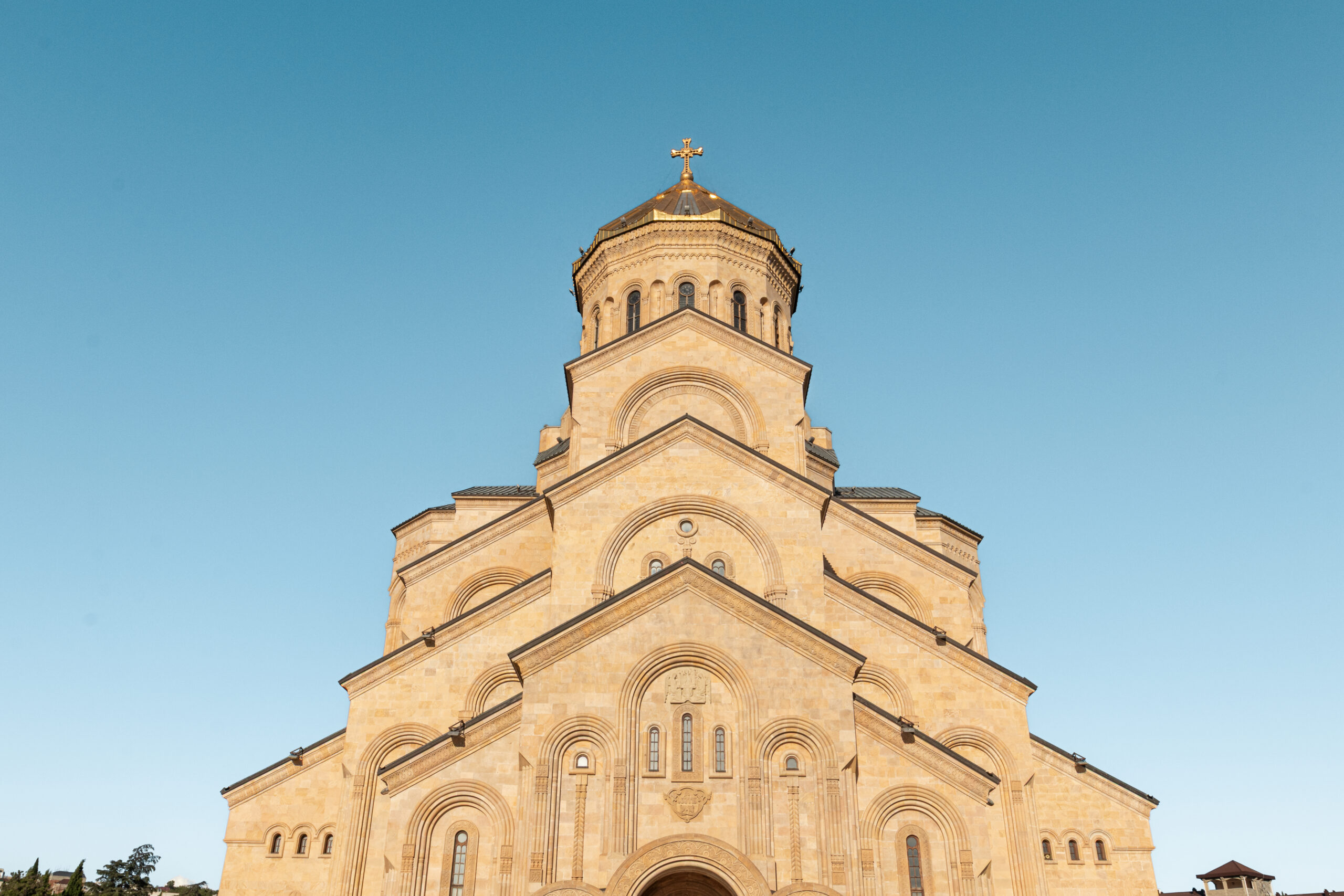
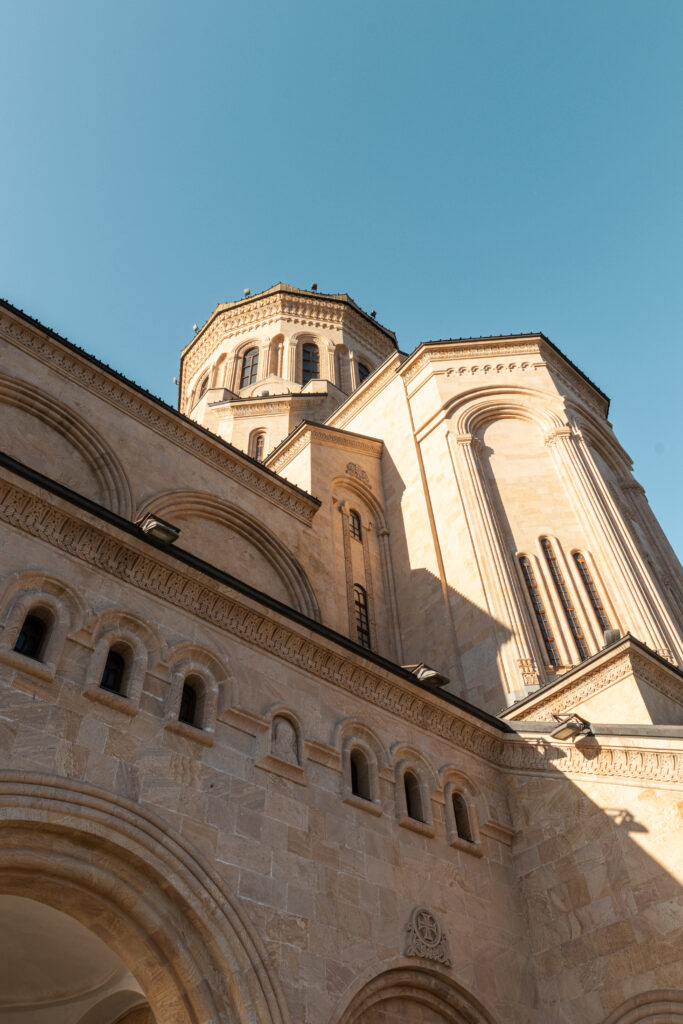
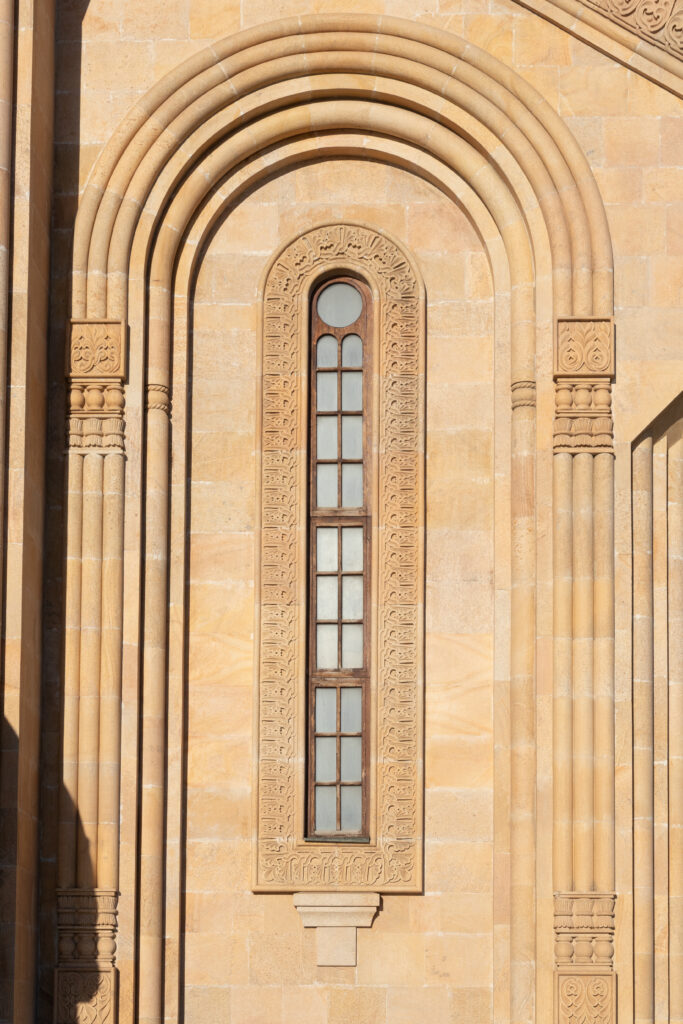
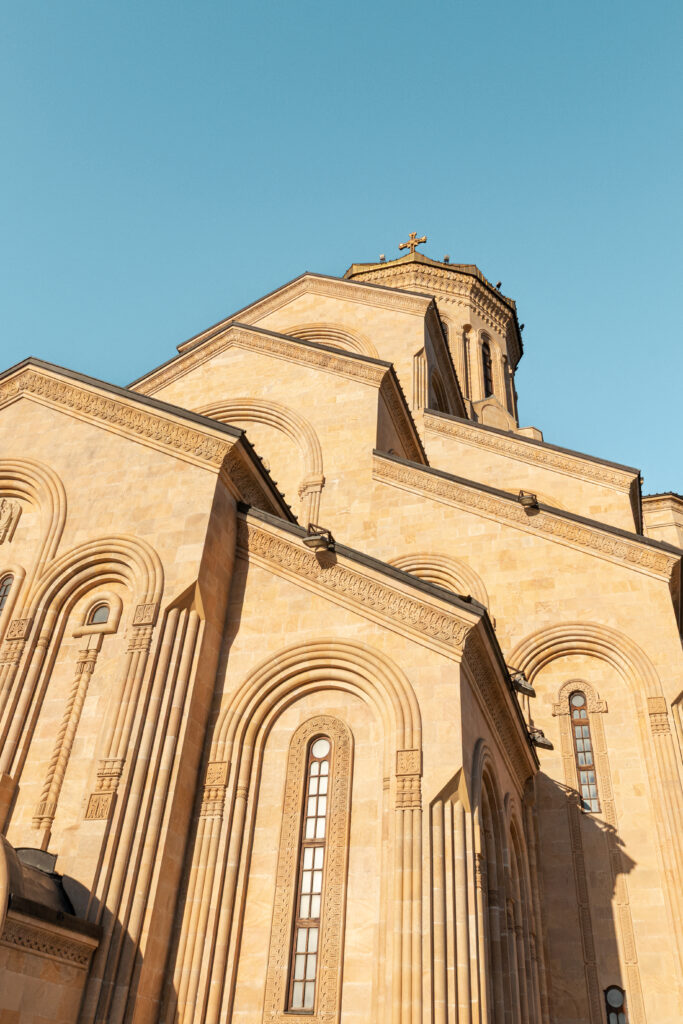
The massive golden-domed church you see from almost everywhere in the city is Holy Trinity Cathedral of Tbilisi, commonly known as Sameba.
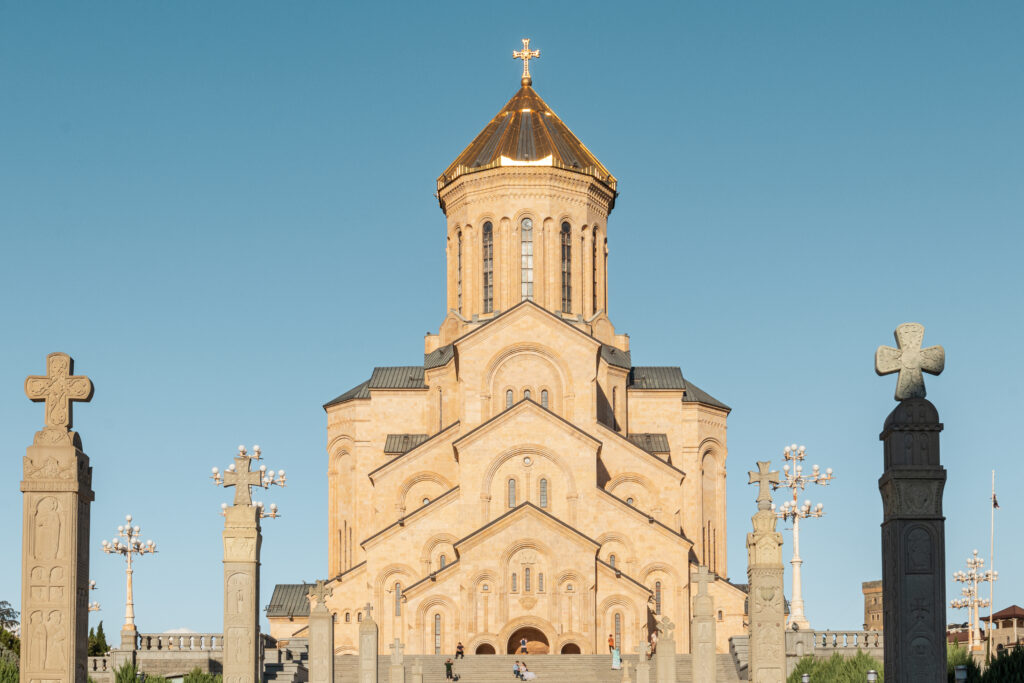
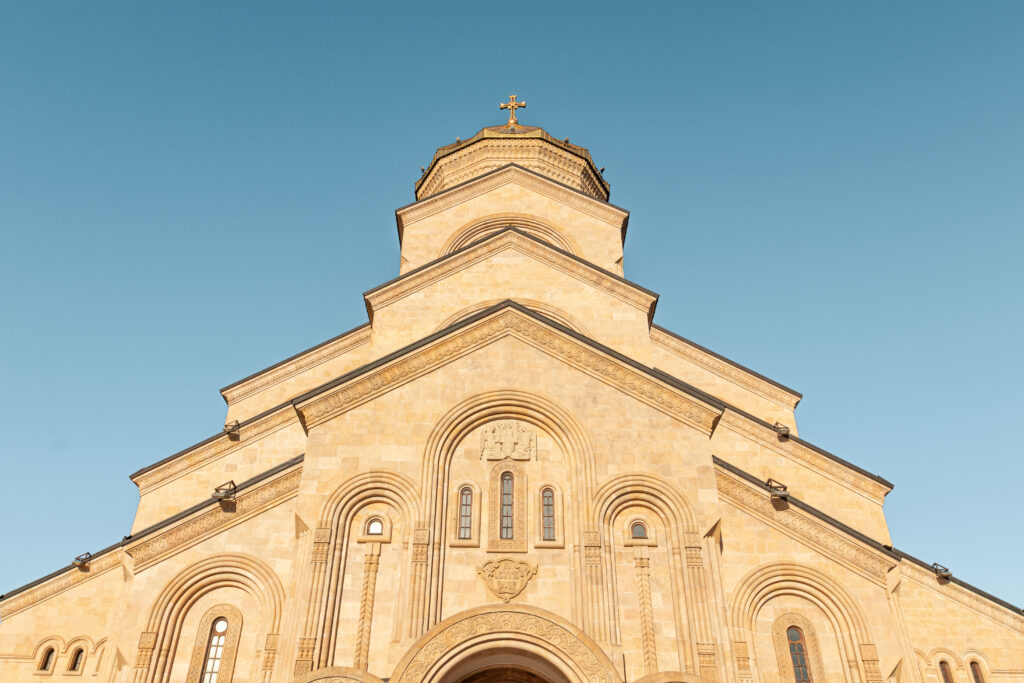
Completed in 2004, it’s one of the largest Orthodox churches in the world. Unlike the smaller, older churches scattered around the city, Sameba feels monumental and imposing. Whether or not you’re religious, it’s worth visiting to understand the importance of the Georgian Orthodox Church in national identity. The interior is vast and calm, especially outside of service times.
The Trendy, Creative Side
If Old Town is historic Tbilisi, the area around Fabrika Tbilisi is modern, creative Tbilisi. Fabrika is a converted Soviet sewing factory turned hostel, cafés, bars, and cultural hub. The surrounding streets are filled with street art, independent boutiques, vinyl shops, and relaxed cafés. It’s the kind of neighbourhood where you’ll find digital nomads working on laptops. It feels gritty, real, and slightly chaotic in the best way.
Explore the Local Markets
Tbilisi’s markets are where daily life unfolds. Near Freedom Square and along Rustaveli Avenue, you’ll find small produce markets and bakeries selling fresh bread straight from the oven. There’s also a charming flower market where vendors sell colourful bouquets. For something bigger and more local, head to Dezerter Bazaar near the central station. It’s noisy, unpolished, and full of fresh herbs, spices, churchkhela (the famous walnut-and-grape sweet), and seasonal produce. It’s one of the best places to understand Georgian food culture beyond restaurant menus.
Museums and the Opera
Tbilisi has more cultural depth than it initially reveals. The Georgian National Museum is essential if you want context about Georgia’s Soviet occupation, independence struggles, and complex modern history. For something more elegant, check what’s on at the Tbilisi Opera and Ballet Theatre. Tickets are surprisingly affordable compared to Western Europe, and seeing a ballet or opera here feels like stepping into another era.
The Outskirts: Chronicles of Georgia & the Tbilisi Sea
Most short-term visitors never make it here, but they should. The monumental Chronicles of Georgia stands on a hill overlooking the Tbilisi Sea reservoir. Massive stone pillars carved with scenes from Georgian history create something almost cinematic. It’s dramatic, windswept, and far less crowded than the Old Town viewpoints. Nearby lies the Tbilisi Sea, technically a reservoir, where locals come to swim, relax, or escape the summer heat. There isn’t city public transport going to this part of the city, as far as I know, but it’s very easy to take a Bolt there.
Where to Stay in Tbilisi
If you want to be in the heart of the city, the Old Town is by far the most convenient area. Staying here puts you within walking distance of the main attractions, cafés, restaurants, and historic streets. My personal favourite is Envoy Hostel, perched slightly up the hill from the centre. It’s quiet despite being in the heart of the Old Town, and its terrace offers one of the best sunset views over the city, perfect for relaxing and meeting other travellers.
If you prefer a more modern, creative neighbourhood, the area around Fabrika Tbilisi is ideal. Fabrika itself is a popular hostel, and the surrounding streets are full of cafés, street art, and nightlife. It’s a lively, social area, perfect for exploring or going out, though it can be noisy if you’re hoping for a quiet night’s sleep.
Tbilisi also has a wide range of other accommodation options, from mid-range hotels to more upscale stays, but for budget travellers and those looking for a social atmosphere, hostels in either the Old Town or near Fabrika are hard to beat.
Georgian Food and Wine
Georgia is famous for its food and wine, and Tbilisi is the perfect place to dive into both. The country has one of the oldest wine-making traditions in the world, with natural wines produced across every region. Eating here is a cultural experience as much as a culinary one: meals are hearty, flavourful, and meant to be shared. Some of the classic Georgian dishes to try include:
For local restaurants, I highly recommend Pasanauri, which has several locations in the city and serves affordable, traditional Georgian dishes. It’s mostly locals who eat here, which is always a good sign. Another solid option is Mafshalia, known for homestyle Georgian food.
Beyond restaurants, almost any local bakery or café will have khachapuri, lobiani, and other staples, perfect for a snack or quick lunch. Pair your meal with a glass of Georgian wine or a shot of chacha (local grape brandy) to complete the experience. Tbilisi is a city where food is central to daily life, and trying as many local dishes as you can, from street snacks to sit-down meal, is part of the adventure.
Practical Tips for Visiting Tbilisi
Tbilisi is an easy city to explore, but a few practical tips can make your trip smoother and more enjoyable.
Connectivity: Getting a local SIM card is simple and affordable. You can buy one at most convenience stores in the city. Data is cheap, and having local connectivity makes navigating the city, ordering taxis, and checking public transport much easier.
Getting Around: Walking is the best way to explore central Tbilisi, especially the Old Town and nearby districts. For longer trips, the metro and buses are cheap and reliable, using a rechargeable Metromoney card. For taxis, Bolt and Yandex Go are widely used, affordable, and allow you to see prices in advance.
For travel outside Tbilisi, marshrutkas (shared minibuses) are the main option. The main station for northern and mountainous destinations, including Kazbegi, is Didube Station, while Avlabari Station is the main departure point for trips to Armenia and the southern regions. Marshrutkas are inexpensive, frequent, and a practical choice for budget travellers, though they can be crowded and very hot in summer.
Money: Most places accept card payments, but smaller cafés, bakeries, and markets are cash-only. ATMs are widely available in the city, and the local currency is the Georgian Lari (GEL).
Language: Georgian is the official language, and many signs are in Georgian script only, but Russian is also widely understood. In tourist areas and restaurants, English is common, though not everywhere. Having a translation app can be helpful for markets and more local neighbourhoods.
Safety: Tbilisi is generally very safe, even at night. Standard precautions apply: watch your belongings in crowded areas and take care walking on uneven pavements.
Exploring Beyond Tbilisi
Tbilisi is an excellent base for exploring the rest of Georgia and even neighbouring countries. From here, you can take day trips or longer journeys to the mountains, the coast, or other cities. For travellers interested in the Caucasus region more broadly, I’ve created detailed guides to help plan your trips.
For those crossing the border south, my Armenia Travel Guide explains how to get there by public transport, where to stay, and the highlights of Yerevan, Dilijan, and the surrounding region.
Within Georgia, the north offers stunning mountain landscapes. The Kazbegi guide covers how to reach the village, hike to Gergeti Trinity Church, and explore the dramatic Caucasus scenery. Svaneti is perfect for trekking and immersing yourself in remote mountain villages, including a multi-day trek to Ushguli.
On the west, Kutaisi and the nearby canyons, waterfalls, and Tskaltubo give a mix of natural beauty and history, while Batumi offers a more modern, coastal vibe with beaches, nightlife, and contemporary architecture.
For a complete overview of the country, including practical tips, where to stay, and suggested itineraries, check out my General Georgia Travel Guide. Linking your Tbilisi trip with these guides makes it easy to plan a full Georgian adventure or a multi-country Caucasus itinerary.
Final Thoughts on Tbilisi
Tbilisi is a city that grows on you the longer you stay. It’s not conventionally polished, and its contrasts. From crumbling old houses to sleek modern cafés, Soviet-era buildings to colourful street art, it can feel overwhelming at first. But that’s also what gives it character. Spend time wandering, eating, and observing daily life, and you start to understand why both locals and returning travellers love it so much.
Whether you’re exploring the cobbled streets of the Old Town, hiking to panoramic viewpoints, discovering hidden galleries and markets, or sampling Georgian food and wine, Tbilisi rewards curiosity. It’s a city that blends history, culture, and modern creativity in a way few others in the region do.
Use it as a base for day trips to the mountains, the wine regions, or even neighbouring Armenia, and you’ll see that Tbilisi is more than just a stopover, it’s a destination in its own right. After spending time here, it’s easy to understand why so many travellers end up staying longer than planned, and why the city leaves a lasting impression long after you leave.